Email has become one of the biggest sources of daily stress for millions of people. Between newsletters, work updates, promotions, and endless reply chains, keeping a mailbox under control often feels impossible. Artificial intelligence is changing that by introducing smarter ways to sort, prioritize, and even respond to messages automatically. The promise sounds almost too good to be true, but many people are wondering whether a zero inbox is finally making the dream of an organized mailbox realistic. The answer depends on how these tools work, what they can do well, and where human judgment still matters.
Zero AI inbox: A New Way to Think About Email
For years, productivity experts encouraged people to aim for Inbox Zero by deleting, archiving, or answering every message as quickly as possible. While the method helped many users stay organized, it also demanded constant attention. AI-powered email tools approach the problem differently. Instead of asking people to spend more time managing messages, they reduce the amount of work required in the first place. A modern AI zero inbox strategy combines intelligent sorting, automatic categorization, and suggested actions so that only the most important emails demand immediate attention. Rather than fighting your inbox, the software does much of the heavy lifting.
How AI Decides What Matters
Artificial intelligence learns by recognizing patterns. When applied to email, it can identify newsletters, receipts, meeting invitations, conversations with coworkers, and messages that require action. Some systems even notice which senders you respond to quickly and which emails you usually ignore. Based on those habits, the software starts ranking messages according to likely importance. This doesn’t mean AI understands every email perfectly, but it becomes increasingly accurate over time. That growing accuracy is one of the reasons why many professionals believe zero inbox could become a practical reality instead of simply another productivity buzzword.
Smart Features That Save Real Time
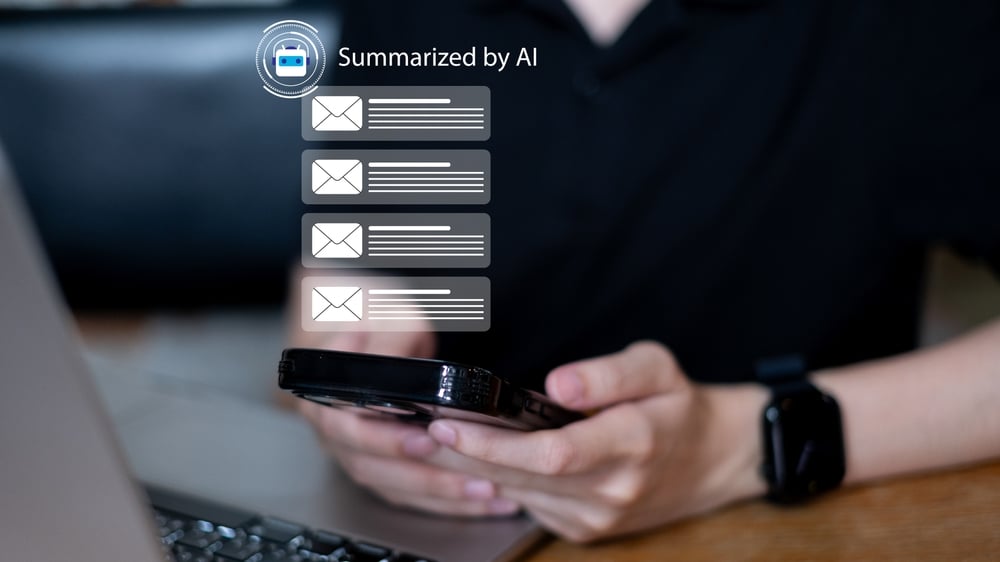
The biggest advantage of AI email assistants is not simply organizing messages. Many also draft replies, summarize long conversations, highlight deadlines, and extract important details from lengthy threads. Someone returning from vacation no longer has to read hundreds of emails one by one. Instead, AI can generate a summary of what happened, identify urgent requests, and suggest responses for routine questions. These features can save hours every week, especially for people whose jobs involve constant communication. As these capabilities improve, zero inbox becomes less about emptying a mailbox and more about maintaining control with minimal effort.
The Limits of Automation
Despite impressive progress, AI still has limitations. Email often contains subtle language, humor, emotional context, or sensitive information that software cannot always interpret correctly. A suggested reply may sound confident while missing an important nuance. Automatic categorization can occasionally place an urgent email into a low-priority folder. Because of these limitations, experts generally recommend treating AI as an assistant rather than a replacement for human decision-making. Users who review important messages before sending responses are more likely to enjoy the benefits of zero inbox without creating avoidable misunderstandings.
Privacy Remains an Important Question
Whenever software reads email content, privacy naturally becomes a concern. Most major technology companies explain that they use security measures, encryption, and privacy policies to protect user information. However, users should still understand exactly what permissions they grant when enabling AI features. Some business environments have strict rules about confidential information, making careful evaluation essential before activating automated tools. Reading the privacy documentation and understanding how data is processed can help users make informed choices. Building trust is just as important as improving productivity if zero inbox is going to gain widespread acceptance.
Who Benefits the Most?
Not everyone receives the same number of emails each day. Someone who checks personal email once every evening may not need advanced automation. On the other hand, managers, customer support representatives, sales professionals, recruiters, journalists, and business owners often receive hundreds of messages every week. For these users, even saving a few seconds per email adds up quickly. AI becomes especially valuable when handling repetitive communication, recurring appointments, and frequently asked questions. In high-volume environments, zero inbox can reduce mental overload while helping people focus on work that genuinely requires creativity and judgment.
What the Future May Look Like
AI continues to evolve at an impressive pace. Future email assistants may understand context more accurately, coordinate schedules automatically, recognize project priorities across multiple applications, and remind users about commitments before they become urgent. Instead of simply reacting to incoming messages, AI could proactively organize entire workflows around them. Even so, email itself is unlikely to disappear anytime soon. Businesses still rely heavily on it for documentation and formal communication. As technology improves, the goal may no longer be chasing an empty inbox but maintaining one that always feels manageable through intelligent support, bringing AI zero inbox closer to everyday reality.
Artificial intelligence is not a magic solution that instantly removes every email problem, but it is becoming a valuable productivity partner. The most successful users combine AI automation with their own judgment, allowing software to handle repetitive tasks while keeping important decisions in human hands. That balanced approach delivers both efficiency and reliability. As email tools become more sophisticated, staying organized should require far less effort than it does today. For many professionals, zero inbox may soon shift from an ambitious productivity goal into a practical habit that makes every workday feel calmer and more manageable.
Looking for more Digital Productivity hacks? Check them here!