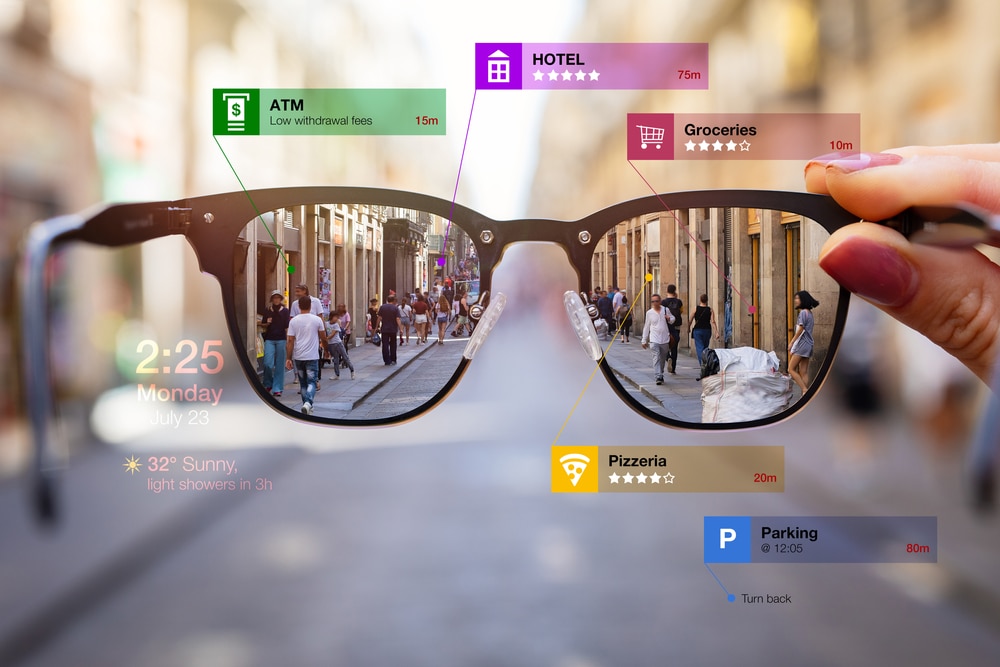
Technology trends often arrive loudly, but sometimes the most important ones develop quietly in the background. Smart glasses are a perfect example of this subtle evolution. Once considered experimental or even gimmicky, they are now steadily improving in both design and functionality. Unlike smartphones, which demand constant attention, these devices aim to blend into everyday life. Smart glasses promise a more natural way to interact with digital information, offering notifications, navigation, and even communication directly in your field of view without pulling you away from the real world.
What Are Smart Glasses and How Do They Work
At a basic level, smart glasses are wearable devices that combine traditional eyewear with digital displays and sensors. They can project information onto lenses, use cameras to capture images, and connect to the internet through paired devices or built in systems. Smart glasses rely on technologies like augmented reality, voice control, and wireless connectivity to deliver information seamlessly. Instead of looking down at a phone screen, users can access directions, messages, or updates while staying engaged with their surroundings. This hands free approach is what sets them apart from other personal tech devices.
Why Smartphones May Be Losing Their Grip
Smartphones have dominated personal technology for over a decade, but cracks are starting to show in how people use them. Constant notifications, screen fatigue, and the need to physically hold a device can be limiting. Smart glasses offer an alternative that reduces these friction points. By placing information directly in front of your eyes, they eliminate the need to check a phone repeatedly. Smart glasses can also reduce distractions by delivering only relevant updates in a less intrusive way. This shift suggests that the future of personal tech may not revolve around screens we hold, but ones we wear.
Everyday Uses of Smart Glasses
The practical uses of the glasses are becoming more apparent as the technology improves. They can provide turn by turn navigation while walking or cycling, display real time translations during conversations, and even assist with fitness tracking. Smart glasses are also useful for professionals, such as technicians who need hands free access to instructions or data while working. In daily life, they can handle tasks like reading messages or setting reminders without interrupting what you are doing. These everyday applications highlight how smart glasses can integrate smoothly into routines without feeling disruptive.
The Role of Augmented Reality in Smart Glasses
A key feature that makes these glasses so powerful is augmented reality, which overlays digital information onto the physical world. This allows users to see directions on the street in front of them or view contextual information about objects and places. Smart glasses use sensors and cameras to understand the environment and position digital elements accurately. This creates a more immersive experience compared to traditional screens. As augmented reality technology advances, smart glasses are expected to deliver even richer and more interactive content, further enhancing their usefulness and appeal.
Design Improvements and User Comfort
One of the biggest challenges for early versions of smart glasses was their appearance and comfort. Bulky designs and limited battery life made them impractical for everyday use. However, recent developments have focused on making them lighter, more stylish, and closer in appearance to regular eyewear. Advances in materials and miniaturization have made it possible to pack more technology into smaller frames. smart glasses are now being designed with user comfort in mind, ensuring they can be worn for extended periods without discomfort. This evolution is crucial for widespread adoption.
Privacy Concerns and Social Acceptance
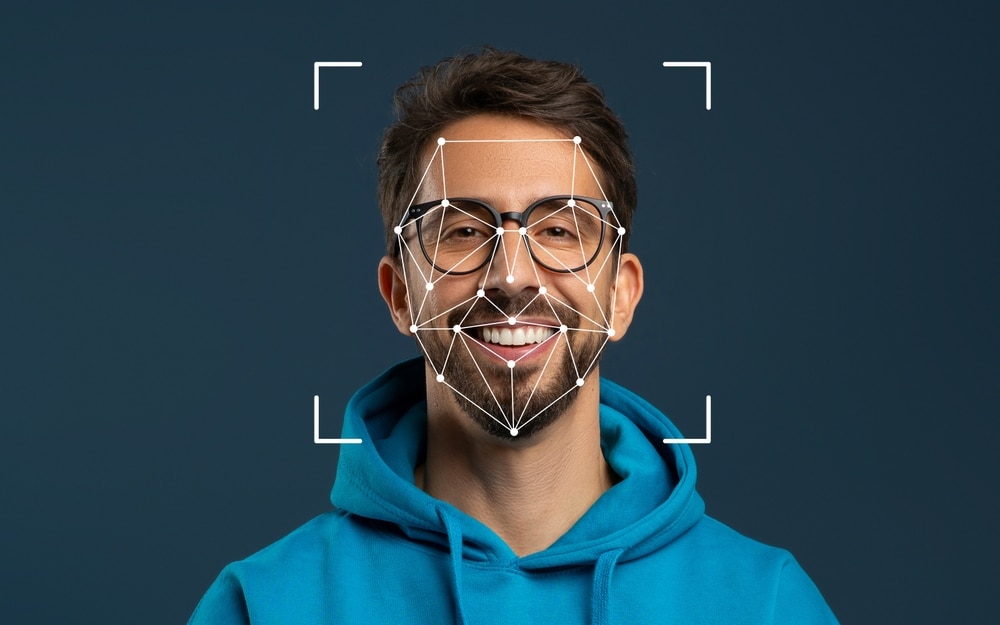
As with any new technology, smart glasses raise important questions about privacy and social norms. Built in cameras and sensors can make people uneasy, especially in public spaces. Smart glasses must address these concerns through clear indicators, responsible design, and transparent usage policies. Social acceptance is another factor, as people need to feel comfortable wearing and interacting with these devices in everyday situations. Over time, as the technology becomes more familiar and regulations are established, glasses are likely to become more widely accepted and integrated into society.
How Companies Are Investing
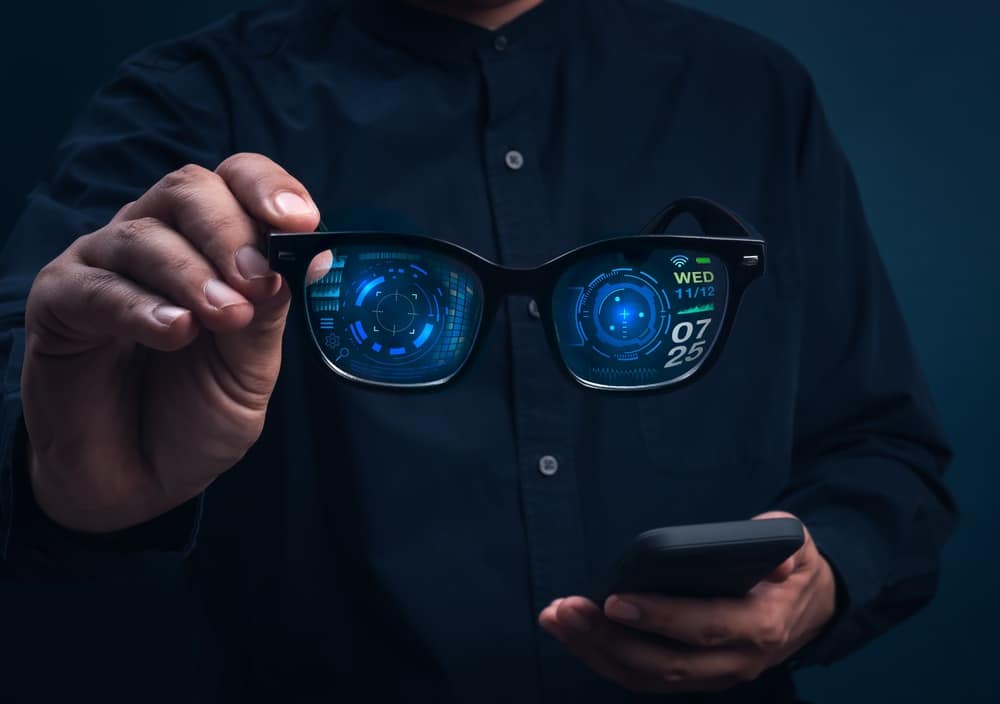
Major technology companies are investing heavily in the development of smart glasses, signaling strong belief in their potential. These investments are driving innovation in hardware, software, and user experience. Smart glasses are being positioned as the next major platform for digital interaction, similar to how smartphones once replaced feature phones. Companies are exploring partnerships, developer ecosystems, and new applications to expand what these devices can do. This level of investment suggests that they are not just a passing trend but a significant step forward in personal technology.
Challenges That Still Need Solving
Despite their promise, the glasses still face several challenges before they can fully replace smartphones. Battery life remains a concern, as powering displays and sensors in a small device is difficult. Connectivity and processing power also need to improve to support more advanced features. Smart glasses must also ensure they provide real value without overwhelming users with information. Striking the right balance between functionality and simplicity will be key. Overcoming these challenges will determine how quickly and effectively smart glasses can become a mainstream technology.
The rise of smart glasses represents a shift that is happening quietly but steadily. Instead of replacing smartphones overnight, they are gradually introducing a new way of interacting with digital information. By offering hands free access, reduced distractions, and more natural integration into daily life, smart glasses have the potential to reshape personal technology. While there are still hurdles to overcome, the direction is clear. As innovation continues, smart glasses may soon become as essential as the devices we currently rely on, marking the beginning of a new era in how we connect with the digital world.
Do you want to learn more future tech? Than you will find the category page here