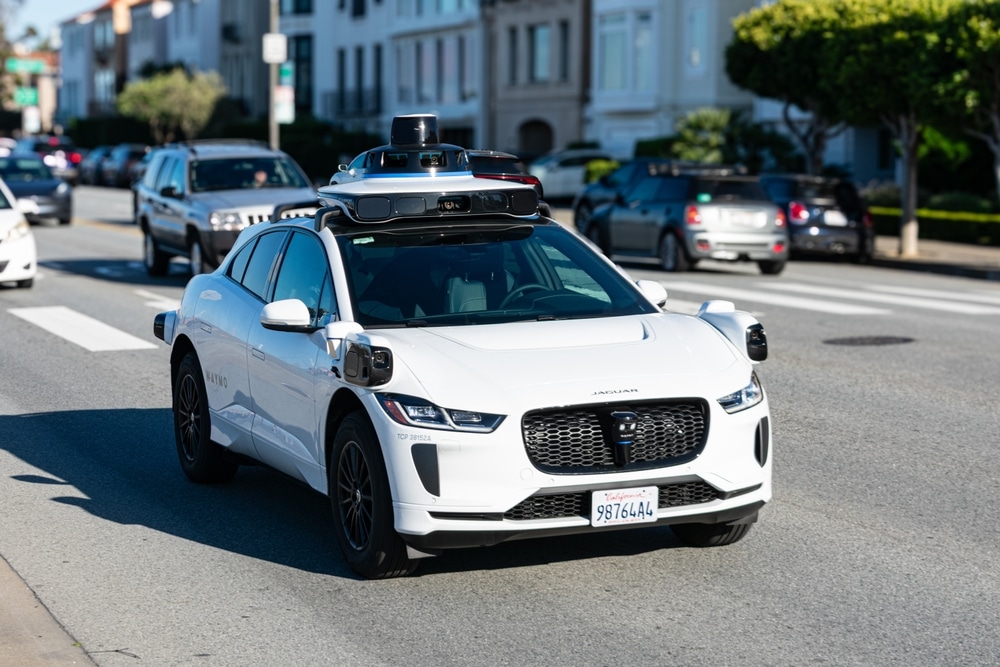
The idea of cars driving themselves once sounded like science fiction, something reserved for futuristic movies and far-off predictions. Today, however, that future is beginning to arrive on real streets. In several cities around the world, self-driving cars are becoming an increasingly common sight. While many people still think of autonomous vehicles as experimental technology, thousands of rides are already taking place without a human driver behind the wheel. The shift is happening gradually rather than dramatically, which is why many residents hardly notice it. Yet beneath the surface, transportation is undergoing one of the biggest transformations in modern history.
A Technology Years in the Making
The journey toward autonomous transportation has been decades long. Engineers and researchers have spent years developing systems that allow vehicles to understand their surroundings, make decisions, and react safely to changing road conditions. Modern self-driving cars rely on a combination of cameras, radar, sensors, and advanced software that continuously analyzes the environment.
Artificial intelligence plays a central role in this process. The vehicle must identify pedestrians, cyclists, traffic lights, road signs, and other vehicles while predicting what might happen next. This requires enormous amounts of data and computing power. Thanks to advances in machine learning and processing technology, what once seemed impossible is now becoming increasingly practical in real-world conditions.
Cities Leading the Autonomous Revolution
Not every city has embraced autonomous vehicles at the same pace. Certain urban areas have become testing grounds where companies can deploy and improve their technology under real conditions. Cities such as Phoenix, San Francisco, and parts of China have become particularly important locations for development.
These cities often offer favorable regulations, modern infrastructure, and populations that are more open to technological experimentation. In some neighborhoods, residents regularly encounter self-driving cars transporting passengers or delivering goods. What was once a novelty is slowly becoming part of everyday life. The presence of these vehicles may still seem unusual to visitors, but locals are increasingly treating them as a normal part of the transportation landscape.
Why Many People Hardly Notice
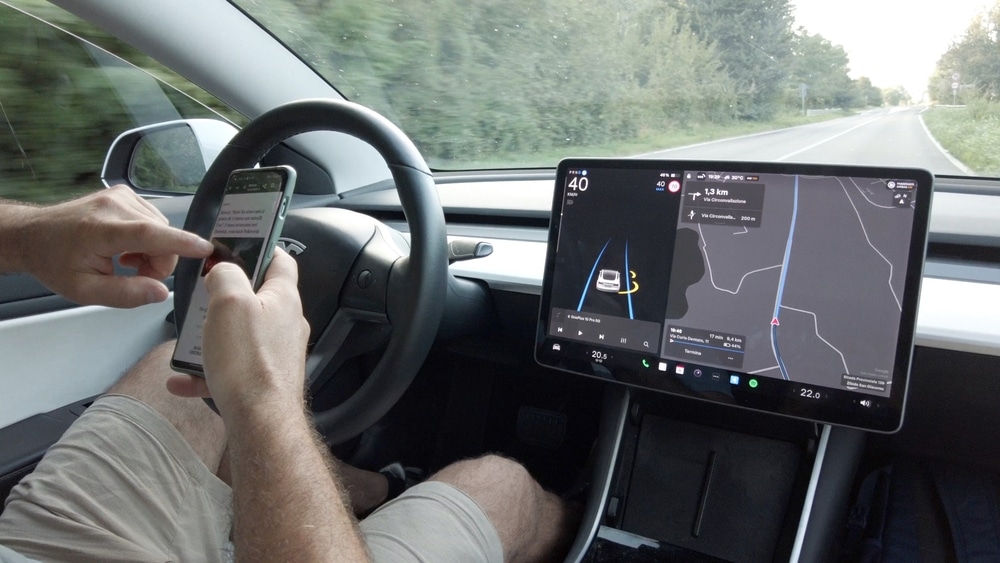
One reason autonomous vehicles appear to be taking over quietly is that the transition is happening gradually. Unlike major transportation projects that involve visible construction or large public announcements, autonomous vehicles simply blend into existing traffic.
Most people focus on getting to work, running errands, or commuting home. Unless they pay close attention, they may not realize the vehicle next to them has no human actively controlling it. The technology is designed to integrate seamlessly into current transportation systems rather than disrupt them. As a result, self-driving cars often become just another vehicle on the road, despite representing a major technological milestone.
The Benefits Driving Adoption
Companies and city planners see significant advantages in autonomous transportation. One of the most frequently cited benefits is safety. Human error contributes to a large percentage of traffic accidents worldwide. Autonomous systems do not become distracted, tired, or impaired.
In addition to safety improvements, self-driving cars could increase transportation accessibility for elderly individuals and people with disabilities. They may also help reduce congestion by optimizing routes and maintaining more consistent traffic flow. Businesses are equally interested in the economic benefits, particularly when it comes to delivery services and ride-hailing operations. These potential advantages continue to fuel investment and expansion efforts across multiple regions.
Challenges That Still Need Solving
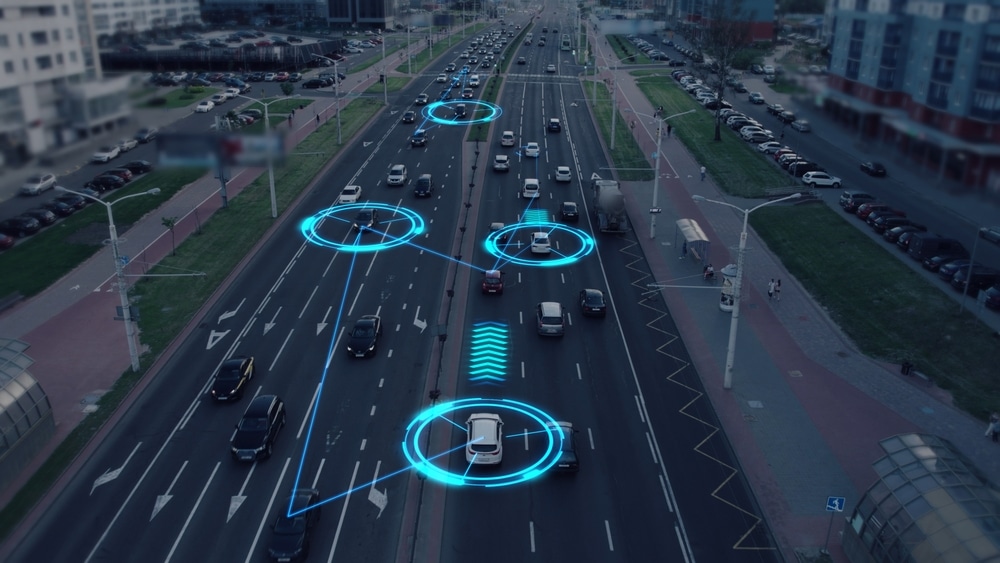
Despite impressive progress, autonomous driving technology remains far from perfect. Urban environments present countless unpredictable situations that can challenge even the most advanced systems. Construction zones, unusual weather conditions, and unexpected pedestrian behavior remain difficult scenarios.
Public trust is another obstacle. Many people remain skeptical about riding in vehicles without a human driver. High-profile accidents involving autonomous systems have raised concerns and generated extensive debate. Regulators must also determine how to create rules that balance innovation with public safety. While self-driving cars continue improving rapidly, widespread acceptance will likely require years of demonstrated reliability and transparency from both companies and governments.
Competition Between Major Companies
The race to dominate autonomous transportation has attracted some of the world’s largest technology and automotive companies. Billions of dollars have been invested in research, development, and real-world testing programs. Companies recognize that the first organizations to build reliable autonomous networks could gain a major competitive advantage.
Different companies are pursuing different strategies. Some focus on robotaxi services, while others emphasize freight transportation or delivery solutions. As competition intensifies, innovation continues to accelerate. The result is a rapidly evolving industry where new breakthroughs occur regularly, pushing self-driving cars closer to becoming a mainstream transportation option rather than a specialized experiment.
How Autonomous Ride Services Are Expanding
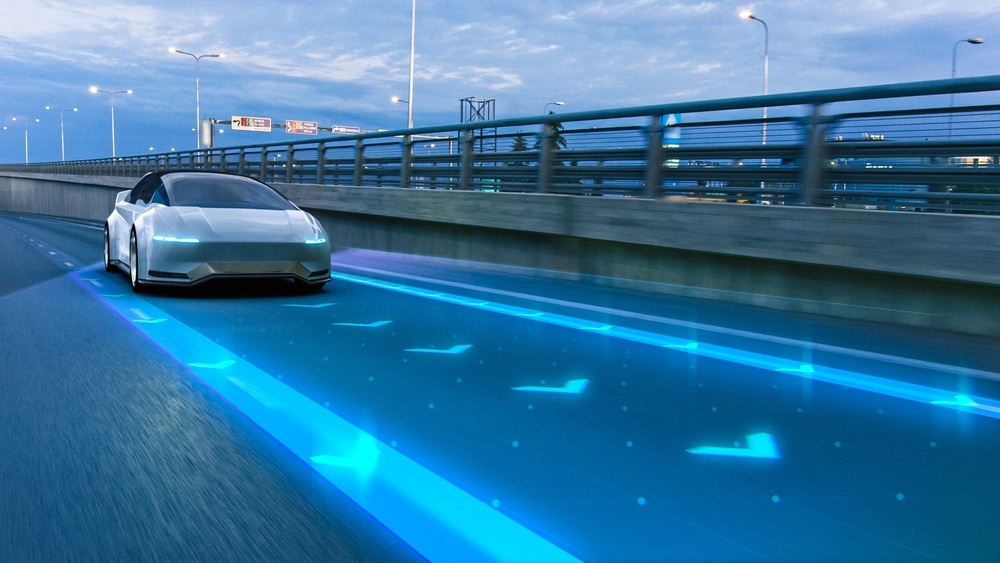
Ride-hailing has emerged as one of the most visible applications of autonomous technology. Several companies now offer limited driverless taxi services in select cities. Customers can use smartphone apps to request rides much like traditional ride-sharing services.
These operations provide valuable real-world experience and generate important data that helps improve vehicle performance. Each completed ride contributes to a growing understanding of how autonomous systems interact with complex urban environments. As confidence grows and regulations evolve, many experts expect these services to expand into additional cities. This steady growth is helping normalize the presence of self-driving cars among everyday commuters.
The Impact on Urban Planning
The widespread adoption of autonomous vehicles could reshape cities in surprising ways. Parking requirements may decrease if vehicles can remain in constant use rather than sitting idle for hours. Traffic patterns could become more efficient through coordinated vehicle communication systems.
Urban planners are already considering how future transportation networks might accommodate autonomous technology. Dedicated pickup zones, smart traffic infrastructure, and redesigned road layouts may become increasingly common. While these changes will not happen overnight, they illustrate how self-driving cars could influence far more than transportation alone. Entire aspects of city design may evolve alongside advances in autonomous mobility.
Looking Ahead
Predicting exactly when autonomous vehicles will become dominant remains difficult. Technology development rarely follows a straight path, and unexpected challenges often emerge. However, the overall direction appears clear. More cities are experimenting with autonomous transportation, companies continue investing heavily, and public familiarity is steadily increasing.
Rather than arriving through a single dramatic moment, the autonomous revolution is unfolding quietly through countless everyday interactions. People are booking rides, receiving deliveries, and sharing roads with vehicles that increasingly rely on software rather than human drivers. As the technology matures and expands, self-driving cars will likely become a common feature of urban life. The transformation may seem subtle today, but future generations may look back and recognize that this quiet shift marked the beginning of a completely new era in transportation.
Do you want to learn more future tech? Than you will find the category page here