
Remember when opening an app felt like the main event? You’d tap an icon, wait for it to load, and then dive into whatever you needed to do. It was pretty straightforward. But things are changing, and fast. We’re seeing a big shift away from that model, moving towards technology that works more behind the scenes. It’s like the difference between having to manually start your car every time versus having a car that just knows when and where you want to go. That’s what post-app technology does.
Software That Works In The Background
This new wave of tech is all about making our lives easier without us having to actively manage it. Think about your smart thermostat that learns your schedule and adjusts the temperature automatically, or your music app that suggests songs based on your listening habits. These systems are constantly working, learning, and adapting, all without you needing to open them up and fiddle with settings. It’s technology that serves us, rather than demanding our constant attention. It’s a subtle but significant change, aiming to reduce the number of times we have to interact directly with our devices.
Seamless Integration, Invisible Operation
What’s really cool is how these background systems talk to each other. Your fitness tracker might tell your smart scale your weight, which then updates your health app. It all happens without you lifting a finger. This interconnectedness means that actions in one area can trigger helpful responses in another, creating a smoother overall experience. It’s less about individual apps and more about a connected ecosystem working in harmony.
Beyond The Icon: A New Era Of Interaction
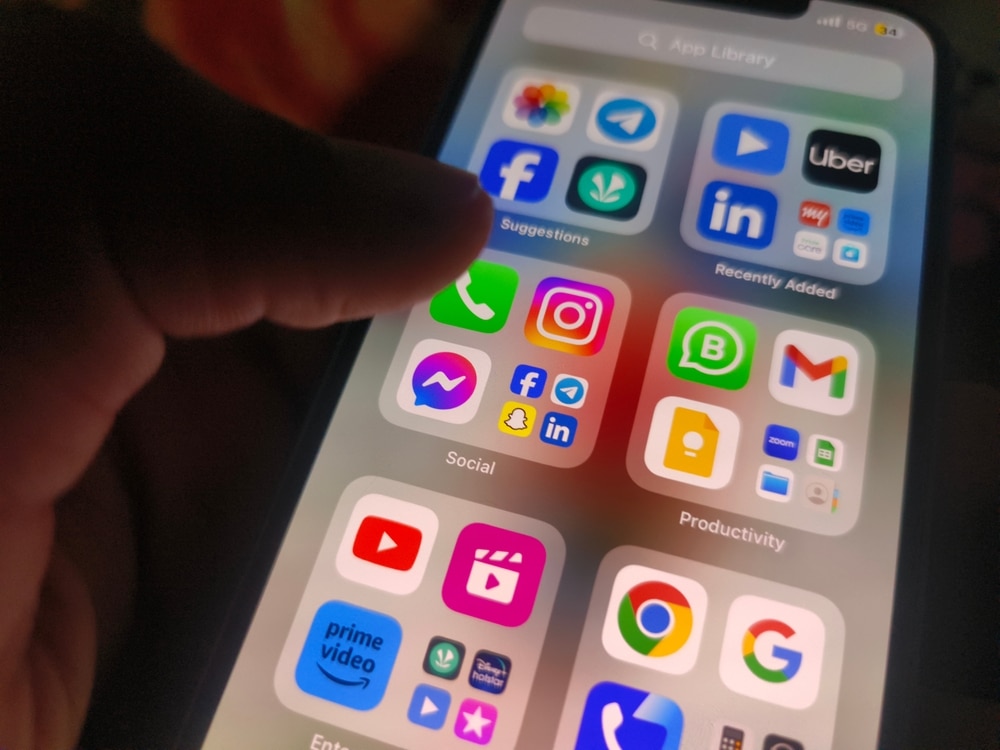
We’re moving past the era where every function requires a dedicated icon on our home screen. Instead, interaction is becoming more contextual and predictive. Your phone might suggest an app based on your location or the time of day, or a smart speaker might offer to play your morning news briefing without being asked. This shift means we’re interacting with technology in more natural, less intrusive ways. It’s about technology anticipating our needs and providing solutions before we even realize we have a problem. This is a big change from the constant notifications and pop-ups we’ve grown used to, aiming for a more peaceful digital existence.
Why We’re Moving Past Traditional Apps
Remember when opening an app felt like a deliberate choice, a way to get something specific done? Lately, it feels more like navigating a minefield. We’re tired of the constant interruptions, the pop-ups demanding attention, and the feeling that every interaction is designed to push us towards more spending or more data collection. It’s like companies are more interested in growing their profits than making our lives easier.
The Frustration Of Constant Pop-Ups
It’s not just annoying; it’s exhausting. You open an app to check the weather, and bam! A full-screen ad. You’re trying to pay a bill, and suddenly there’s a prompt to upgrade to a premium version you don’t need. These aren’t helpful nudges; they feel like digital roadblocks. Companies are so focused on growth metrics that they forget the actual purpose of the software. It’s a constant barrage of little annoyances, or what some call digital microaggressions, that chip away at our patience and make using technology feel like a chore.
Growth Over User Experience
Many companies today seem to operate under a simple, if frustrating, principle: growth at all costs. This means that even if a product works, the pressure is on to make it do more – more notifications, more upsells, more ways to track you. Think about how many apps now have “helpful assistants” that just get in the way of the actual task you wanted to do. Or consider the app stores themselves; they often feel like a chaotic marketplace pushing whatever makes the most money, not necessarily what’s best for you. It’s a shame because the potential for technology to genuinely help us is immense, but this relentless pursuit of growth often poisons the experience.
The “Rot Economy” And Its Impact
This focus on endless growth has led to what some are calling the “Rot Economy.” It’s a system where products are designed not for longevity or user satisfaction, but for perpetual revenue generation. This means apps might be intentionally broken or made difficult to use, pushing you towards subscriptions or in-app purchases. It’s like buying a car that needs constant, expensive tune-ups just to run.
The result? We end up with software that feels more like a burden than a tool. We want technology that just works, quietly and effectively, without demanding our constant attention or our wallets.
Examples Of Invisible Technology
We’re surrounded by tech that works without us even thinking about it, or needing to open an app. It’s the stuff that just does things, making our lives a little smoother. Think about your smart thermostat. You set it once, and it learns your schedule, adjusting the temperature so you’re always comfortable without you lifting a finger. Or consider how your email client might automatically sort incoming messages into different folders, or flag things as important. That’s all happening in the background, a quiet helper.

Smart Devices That Anticipate Needs
These are the gadgets that seem to know what you want before you do. Your smart speaker might suggest a playlist based on the time of day or your recent listening habits. Your phone might offer to navigate you home when it detects you’re leaving work, based on your usual commute. These devices are designed to be proactive, not reactive. They learn from your patterns to offer convenience. It’s like having a personal assistant who’s always one step ahead, but without the awkward small talk. You can find some pretty neat examples of these hidden tech gadgets integrated into everyday objects, like lamps that charge your phone wirelessly seamlessly integrated into everyday objects.
Background Services Enhancing Productivity
Beyond the flashy smart home stuff, there are tons of background services that just make things work better. Cloud storage services, for instance, constantly sync your files across devices. You don’t open a ‘sync app’ to make sure your latest document is on your laptop and your tablet; it just happens. Or think about software updates. While sometimes annoying, they often happen automatically in the background, patching security holes or adding new features without you needing to initiate anything. Even things like spam filters in your email are a form of invisible tech, working tirelessly to keep your inbox clean.
AI That Operates Without Direct Commands
Artificial intelligence is increasingly working behind the scenes. When you use a search engine, AI is constantly working to give you the most relevant results. When you stream music or video, AI algorithms are suggesting what you might like next. It’s not always about asking a chatbot a question; often, it’s about AI analyzing data and making decisions that affect your experience. This kind of AI is about pattern recognition and prediction, aiming to make interactions more efficient and personalized without requiring explicit instructions from the user.
The User Experience In Post-App Technology
Remember when using technology felt… good? Like, genuinely helpful and not just a series of little annoyances? That’s what we’re aiming for with this new wave of tech. It’s about making things work so smoothly in the background that you barely notice them, freeing you up to actually do what you need to do without constant interruptions. The goal is utility without the aggravation.
Reducing Digital Microaggressions
We’ve all been there. That pop-up from a shopping app you used once, asking for your email. The notification from social media that isn’t really new information, just a nudge to keep you scrolling. These are like tiny papercuts on your digital life, and they add up. Post-app technology aims to cut these out. Think of it like walking into a room and the lights just turn on, or your favorite music starts playing softly, without you having to fiddle with a switch or a remote. It’s about technology that respects your time and attention.
Focusing On Utility, Not Annoyance
Too often, software feels like it’s designed to get in your way. Maybe it’s a banking app with a chat assistant that blocks the actual banking functions, or a file management system that makes simple tasks a chore. This new approach flips that. It’s about making sure the tech serves you.
Reclaiming Control Over Our Digital Lives
Ultimately, this shift is about giving us back control. Instead of being bombarded by notifications and forced into endless updates or subscriptions, we get technology that works for us. It means less time spent managing our tools and more time spent on what matters. This could look like:
- Background services that optimize your computer’s performance without you needing to do anything.
- Smart devices that learn your routines and adjust accordingly.
- AI assistants that perform tasks proactively, like summarizing long emails or scheduling meetings based on your calendar availability.
The aim is to move away from technology that feels like a constant demand on our attention and towards systems that quietly support our goals, making our digital interactions feel less like a chore and more like a helpful presence.
The Future Of Post-App Technology
So, what’s next after we ditch the endless app icons? It looks like technology is heading towards a place where it just works for us, without us having to constantly poke and prod it. Companies are starting to realize that making things genuinely useful and easy is a better long-term plan than just chasing endless growth.
Companies Prioritizing Value Creation
Right now, a lot of tech feels like it’s designed to annoy you just enough to make you pay more or click more ads. Think about those apps that constantly nag you about upgrades or those websites that plaster ads everywhere. It’s like they’re more interested in grabbing your money than actually helping you. But the tide is turning.
We’re seeing a shift where businesses are beginning to understand that if their products actually solve problems and make life easier, people will stick around and even pay for them. It’s about building something good, not just something that makes a quick buck. This means less focus on those annoying pop-ups and more on creating tools that people genuinely appreciate and rely on. The goal is to build trust by providing real utility.
A More Human-Centric Digital World
Imagine a digital life where technology fades into the background, anticipating your needs without being intrusive. This isn’t science fiction; it’s the direction things are moving. Instead of being bombarded by notifications or having to hunt for the right app, systems will work together quietly. Your smart home might adjust the temperature before you even feel too warm, or your work tools could organize information automatically, saving you time. It’s about technology serving us, not the other way around.
This approach aims to reduce the constant digital friction we’ve all gotten used to, making our interactions with tech feel more natural and less like a chore. We’re moving towards a world where technology helps us connect and achieve things without adding to our daily stress. It’s exciting to think about how this could change our relationship with the digital tools we use every day, making them feel less like a burden and more like a helpful assistant.
We might even see a resurgence in how we use social media, focusing more on genuine connection rather than endless scrolling, as predicted by some of the leading social media trends for the coming years.
The Potential For Genuine Innovation
When companies stop focusing solely on growth metrics and start prioritizing user value, amazing things can happen. This shift opens the door for real innovation, not just minor tweaks to existing products. We could see entirely new ways of interacting with technology that are intuitive and powerful. Think about AI that can truly assist you without needing constant commands, or devices that learn your habits and proactively make your life smoother.
It’s about creating technology that feels less like a tool you operate and more like a partner that helps you achieve your goals. This human-centric approach could lead to breakthroughs that genuinely improve our lives, making technology a force for good rather than a source of frustration. It’s a future where technology empowers us by getting out of the way and doing what needs to be done, allowing us to focus on what truly matters.
Navigating The Shift To Post-App Tech
So, we’re talking about a big change here, moving away from apps we constantly fiddle with towards tech that just works in the background. It sounds great, right? But how do we actually get there? It’s not like flipping a switch. We’ve all gotten pretty used to the way things are, even the annoying parts.
Understanding The Underlying Systems
First off, we need to get a handle on what’s actually happening. Instead of just seeing an icon on our phone and tapping it, we need to start thinking about the bigger picture. What services are running? How are they talking to each other? It’s like understanding how your car works beyond just turning the key. You don’t need to be a mechanic, but knowing that the engine needs fuel and oil helps you appreciate why you need to get it serviced.
- Think about your smart home devices. That thermostat that adjusts itself? It’s not magic. It’s likely connected to weather data and maybe even your phone’s location. Understanding that connection helps you trust it more and troubleshoot if it acts weird.
- Consider your work tools. That project management software that sends you reminders? It’s probably linked to your calendar and email. Knowing these links helps you set them up right and avoid getting overwhelmed by notifications.
- Look at your streaming service recommendations. They aren’t random. They’re based on what you’ve watched before. Understanding this helps you see how your viewing habits shape what you see next.
Adapting To Background Operations
This is where things get a little less visible, and maybe a bit trickier. We’re used to seeing an app open and knowing it’s doing something. When tech works behind the scenes, it can feel a bit… mysterious. But it’s really about letting the technology do its job without us having to constantly supervise it.
The goal is to have technology serve us without demanding our constant attention or causing little annoyances throughout the day. It’s about reducing those digital papercuts that add up.
Here are a few ways to get comfortable with this:
- Start small. Pick one area, maybe your smart speaker, and let it handle a task without you manually intervening. See how it goes.
- Be patient. Sometimes these systems learn and adjust. Give them a little time to figure things out.
- Set clear boundaries. Even background tech needs limits. Decide what information you’re comfortable sharing and what tasks you want automated.
Advocating For Better User Experiences
Even as we get used to this new way of doing things, we shouldn’t just accept whatever is thrown at us. We still have a voice. Companies need to know what works for us and what doesn’t. Our feedback matters, especially when it comes to making technology less intrusive.
- Report bugs and annoyances. If something isn’t working smoothly, even if it’s a background process, let the company know. It might seem small, but it adds up.
- Share your positive experiences too. If a system is working really well without you needing to do anything, tell people. This helps companies understand what’s good.
- Talk about it. Discuss these shifts with friends, family, or colleagues. The more we talk about wanting technology that’s helpful without being a bother, the more likely companies are to listen.
So, What Now?
Look, technology is still pretty amazing. We can talk to people across the world, share our lives, and learn new things instantly. It’s not that we hate computers or the internet; we just miss when they actually worked for us without all the annoying pop-ups and confusing menus. These companies have gotten really good at making us feel stuck, but they’re not invincible. We can push back by being vocal, using feedback forms, and maybe even just using apps less. It’s about reminding them that we’re the ones using this stuff, and we deserve better than constant digital headaches. Let’s hope they start listening before we all just give up.
Do you want to learn more future tech? Than you will find the category page here