
Technology used to be loud. It demanded attention, required effort, and often reminded us constantly of its presence. Today, things are changing fast. We are entering an era where invisible technology quietly supports our daily lives without interrupting them. From smart homes that adjust lighting automatically to apps that predict what we need before we even ask, the shift is clear. Invisible technology is not about flashy gadgets anymore. It is about seamless integration, where tools work so naturally that we barely notice them. But what does this mean for how we live, think, and interact with the world?
The Rise of Quiet Innovation
For decades, innovation was measured by visibility. Bigger screens, louder notifications, and more features defined progress. Now, invisible technology is flipping that idea upside down. The best tools are no longer the ones that grab your attention, but the ones that remove friction from your life entirely. Think about automatic software updates, voice assistants that blend into conversation, or payment systems that require nothing more than a tap.
This shift did not happen overnight. It is the result of years of refining user experience and understanding human behavior. Invisible technology works because it respects your time and attention. It steps in only when needed and disappears when it is not.
Why Less Feels Like More
There is something surprisingly powerful about technology that stays out of the way. Invisible technology creates a sense of ease that traditional tools rarely achieved. Instead of constantly learning new interfaces or adapting to systems, the systems adapt to us.
This leads to a subtle but important change. People begin to rely on technology not as a separate tool, but as an extension of themselves. Invisible technology becomes part of routines, habits, and even decision making processes. It reduces mental load and allows people to focus on what actually matters, whether that is work, creativity, or relaxation.

The Psychology Behind Seamless Experiences
Human brains are wired to avoid unnecessary effort. When something feels natural, we adopt it quickly. Invisible technology taps directly into this principle. It removes barriers and replaces them with smooth, almost instinctive interactions.
Consider how quickly people adapted to features like autocomplete or personalized recommendations. These are forms of invisible technology that anticipate needs without demanding attention. Over time, users stop noticing the technology itself and only experience the outcome. This creates a deeper level of trust, but it also raises important questions about dependence.
When Convenience Becomes the Default
Convenience used to be a luxury. Now, it is expected. Invisible technology has played a huge role in setting this new standard. Whether it is navigation apps choosing the fastest route or streaming platforms suggesting what to watch next, the baseline for user experience has shifted.
But convenience comes with trade-offs. As invisible technology handles more decisions, people may become less aware of how those decisions are made. This can lead to a passive relationship with the tools we use. While everything feels easier, there is a risk of losing a sense of control or understanding.
The Hidden Infrastructure Powering It All
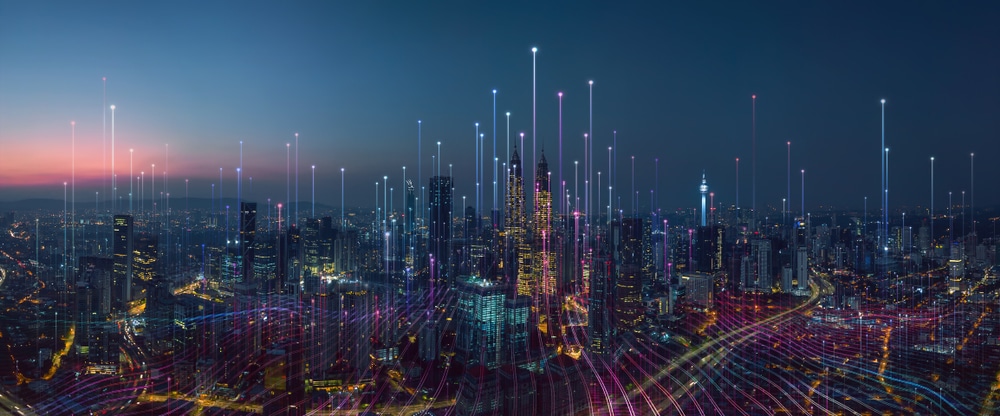
Behind every smooth experience is a complex system working hard in the background. Invisible technology may feel simple, but it relies on advanced algorithms, massive data processing, and constant connectivity. Cloud computing, artificial intelligence, and sensor networks all play a role in making this possible.
What makes invisible technology unique is not the technology itself, but how it is presented. The complexity is hidden, leaving only the result visible. This design approach is intentional. It prioritizes usability over transparency, which is both its greatest strength and its biggest challenge.
The Role of Trust in Invisible Systems
Trust becomes essential when technology fades into the background. Invisible technology operates quietly, often without explicit permission for every action. This means users must trust that the system is working in their best interest.
Building that trust is not easy. It requires reliability, security, and clear communication about how data is used. When invisible technology fails, it can feel more disruptive than traditional systems because people are not used to thinking about it. The absence of visibility makes trust both fragile and crucial.
Invisible Technology in Everyday Life
Invisible technology is already everywhere, even if we do not always notice it. Smart thermostats adjust temperatures based on your habits. Fitness trackers monitor health metrics without constant input. Even modern cars use invisible technology to enhance safety through features like automatic braking and lane assistance.
The key difference is subtlety. These systems do not demand attention unless something goes wrong. Invisible technology works best when it blends into the background, supporting life rather than interrupting it. This quiet presence is what makes it so powerful and, at times, easy to overlook.
The Sub Header Featuring Invisible Technology
Invisible technology and the future of human interaction
As invisible technology becomes more advanced, it begins to shape how people interact with each other. Communication tools are becoming smarter, filtering messages, suggesting responses, and even predicting emotions. This can make conversations more efficient, but it also changes their nature.
Invisible technology may reduce misunderstandings and improve clarity, but it can also create a layer between people and their authentic expressions. The challenge moving forward is finding a balance where technology enhances communication without replacing the human element that makes it meaningful.
The Ethical Questions We Cannot Ignore
With great convenience comes great responsibility. Invisible technology raises ethical concerns that are easy to ignore precisely because the technology is not visible. Issues like data privacy, algorithmic bias, and digital dependency become harder to spot when everything feels seamless.
Users may not always know what information is being collected or how it is being used. Invisible technology can make life easier, but it can also make it harder to question the systems we rely on. This creates a need for stronger regulations and more transparent design practices.

What Happens When It Disappears Completely?
The ultimate goal of invisible technology is to disappear entirely. But what happens when it does? When technology becomes fully integrated into our environment, it stops feeling like a tool and starts feeling like part of reality.
This shift could redefine how people think about ownership, control, and even identity. Invisible technology might not just support our lives. It could shape them in ways we are only beginning to understand. The line between human intention and technological influence may become increasingly blurred.
Preparing for a World Without Visible Tech
Adapting to invisible technology requires a different kind of awareness. Instead of focusing on how to use tools, people need to understand how those tools operate behind the scenes. Digital literacy will become less about interfaces and more about systems.
Education, design, and policy all have a role to play in this transition. Invisible technology should empower users, not make them passive. That means creating systems that are not only easy to use, but also easy to understand when needed.
The movement toward invisible technology is not just a trend. It is a fundamental shift in how we relate to the tools around us. As technology becomes quieter and more integrated, it offers incredible convenience and efficiency. At the same time, it challenges us to think more deeply about trust, control, and awareness. The future will likely bring even more seamless experiences, where technology feels almost like a natural extension of life itself. The key is to embrace these changes thoughtfully, ensuring that as technology fades into the background, we remain fully present and in control of the foreground.
Do you want to learn more future tech? Than you will find the category page here