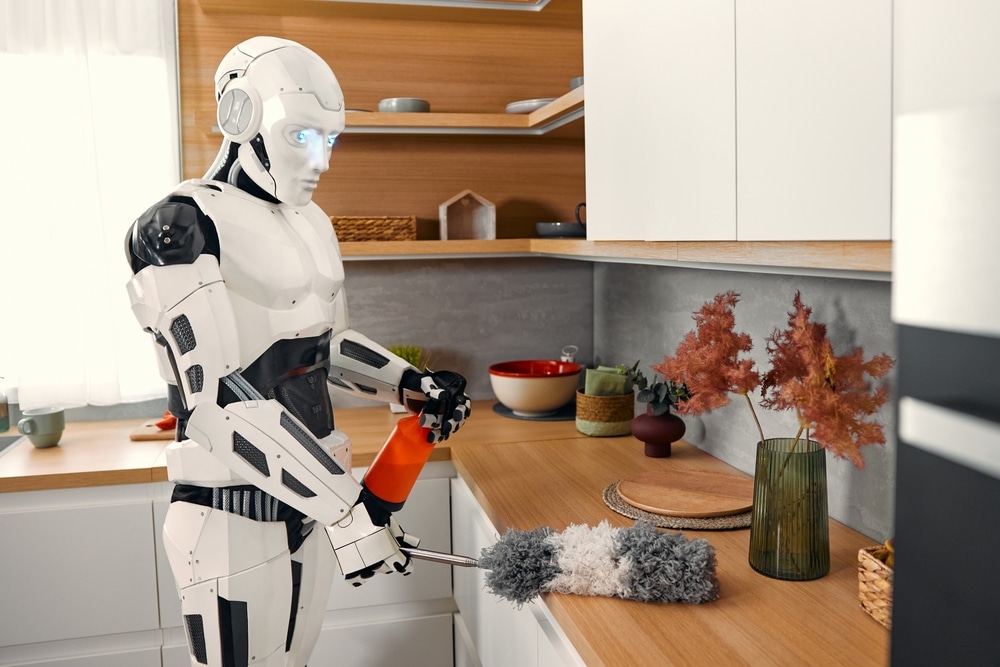
For decades, movies and television shows have painted a picture of a future where intelligent machines walk among us, helping with daily chores, holding conversations, and even becoming companions. What once seemed like pure fantasy is now looking increasingly realistic. Advances in artificial intelligence, robotics, sensors, and computing power have accelerated development at a remarkable pace. Today, companies around the world are investing billions into creating machines that can function in human environments. The question is no longer whether humanoid robots will eventually enter our homes, but how soon it will happen and what role they will play in everyday life.
Why the Idea of Home Robots Has Captured Our Imagination
The dream of having robotic helpers at home is not new. Science fiction writers imagined mechanical assistants long before modern computers even existed. Stories often featured machines capable of understanding speech, performing household tasks, and interacting naturally with people. These fictional creations inspired generations of engineers who wanted to turn imagination into reality.
Part of the appeal comes from convenience. Many people would love assistance with cleaning, cooking, carrying groceries, or caring for elderly family members. Modern life is busy, and technology has consistently aimed to save people time. Washing machines, dishwashers, robotic vacuum cleaners, and smart home devices have already transformed daily routines. The next logical step appears to be machines that can move around a house and perform a variety of tasks without requiring constant human input.
Unlike specialized devices that perform one job, humanoid robots are designed to operate in environments already built for people. Homes contain stairs, doors, furniture, shelves, and countless objects made for human hands. A robot with a human-like shape can theoretically use these spaces without requiring major modifications. This practical advantage is one reason many experts believe the concept has strong long-term potential.
The Technology Behind Humanoid Robots
Building machines that can function inside a home is far more difficult than many people realize. Walking alone is an enormous engineering challenge. Humans spend years developing balance and coordination, while robots must achieve the same abilities through sensors, software, and mechanical systems.
Modern humanoid robots rely on advanced cameras, depth sensors, artificial intelligence models, and powerful processors. These technologies allow them to recognize objects, understand surroundings, and make decisions in real time. Machine learning systems help robots adapt to changing conditions rather than following only pre-programmed instructions.
Battery technology also plays a major role. A robot capable of moving around a house for several hours must carry enough power while remaining lightweight. Engineers continue working on more efficient motors and longer-lasting batteries to solve this challenge.
The progress over the last decade has been impressive. Machines that once struggled to stand upright can now walk, climb stairs, pick up objects, and navigate complex environments. While they are not yet ready to replace human workers in most situations, the pace of development suggests significant improvements are still ahead.
Humanoid Robots Are Already Leaving the Lab
Many people assume advanced robotics remains limited to research facilities, but commercial development is happening right now. Technology companies, automotive manufacturers, and artificial intelligence firms are actively building robots designed for real-world use.
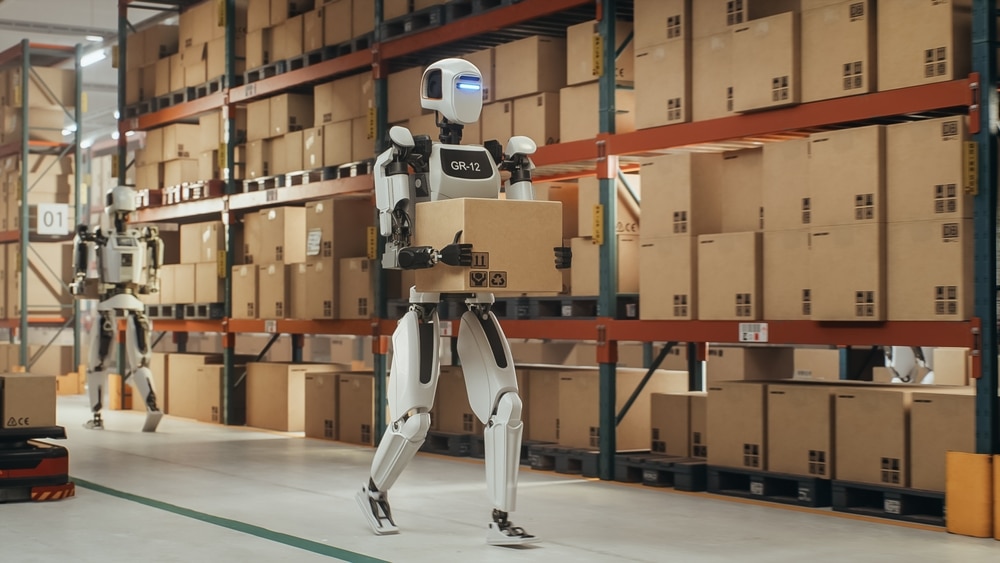
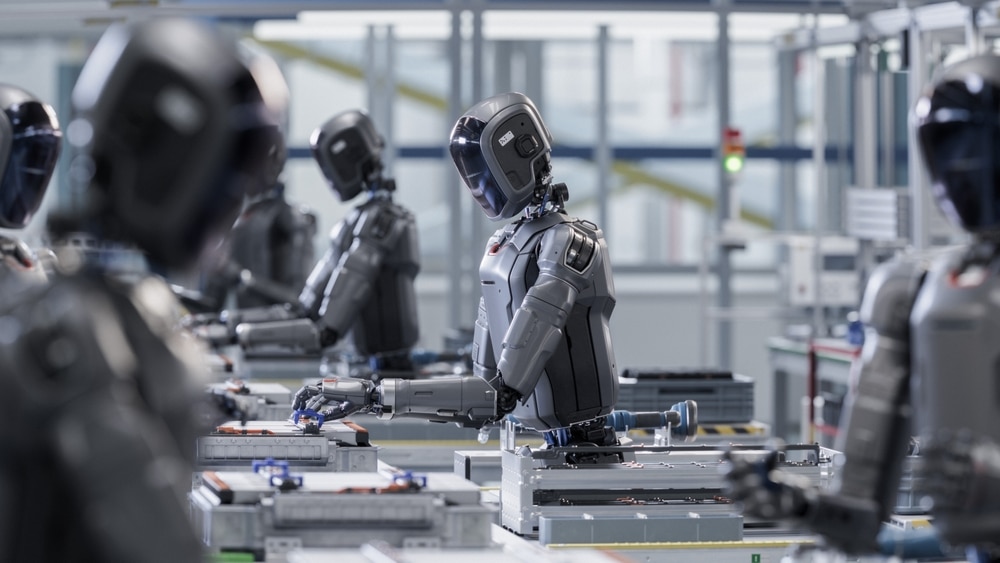
Several prototypes can already sort packages, move materials inside warehouses, and perform repetitive industrial tasks. These controlled environments serve as testing grounds where engineers gather valuable data and improve performance. Every successful deployment helps developers move closer to creating machines suitable for homes.
One reason companies are optimistic is that artificial intelligence has improved dramatically. Modern language models and computer vision systems allow humanoid robots to understand instructions and respond more naturally than earlier generations. Instead of following rigid commands, they can interpret requests in context and adapt their behavior accordingly.
Although today’s systems remain limited compared to humans, they are advancing much faster than many experts predicted only a few years ago. This rapid progress fuels ongoing debate about how soon household adoption could become realistic.
What Jobs Could Robots Perform at Home?
The first generation of household robots is unlikely to be capable of doing everything. Instead, developers are focusing on practical tasks that provide immediate value. Simple activities such as carrying laundry, unloading groceries, organizing items, and basic cleaning could become common applications.
Elder care is another area attracting significant attention. Many countries face aging populations and growing shortages of caregivers. Humanoid robots could help older adults maintain independence by assisting with daily routines, monitoring safety, and providing reminders for medications or appointments.
People with disabilities may also benefit from robotic assistance. Machines capable of lifting objects, opening doors, or retrieving items could improve accessibility and quality of life. These applications often provide stronger justification for adoption than purely convenience-based uses.
Over time, capabilities will likely expand. As artificial intelligence improves, robots may learn to perform increasingly complex household activities. However, experts generally agree that achieving human-level versatility remains a major challenge that could take many more years to solve.
The Challenges Standing in the Way
Despite impressive progress, significant obstacles remain before humanoid robots become common household products. Cost is perhaps the biggest barrier. Current prototypes often cost tens of thousands or even hundreds of thousands of dollars to develop and manufacture.
Reliability is another concern. Consumers expect home appliances to function consistently every day. A robot operating inside a home must handle unpredictable situations without causing damage or creating safety risks. This requires extensive testing and refinement.
Privacy concerns also play an important role. Many robotic systems rely on cameras and microphones to understand their surroundings. Some consumers may feel uncomfortable allowing devices with such capabilities to operate continuously inside private living spaces.
Safety regulations will likely become increasingly important as adoption grows. Governments and industry organizations may establish standards governing how robots interact with people, store data, and respond to emergencies. Creating public trust will be essential for widespread acceptance.
How Artificial Intelligence Is Accelerating Development
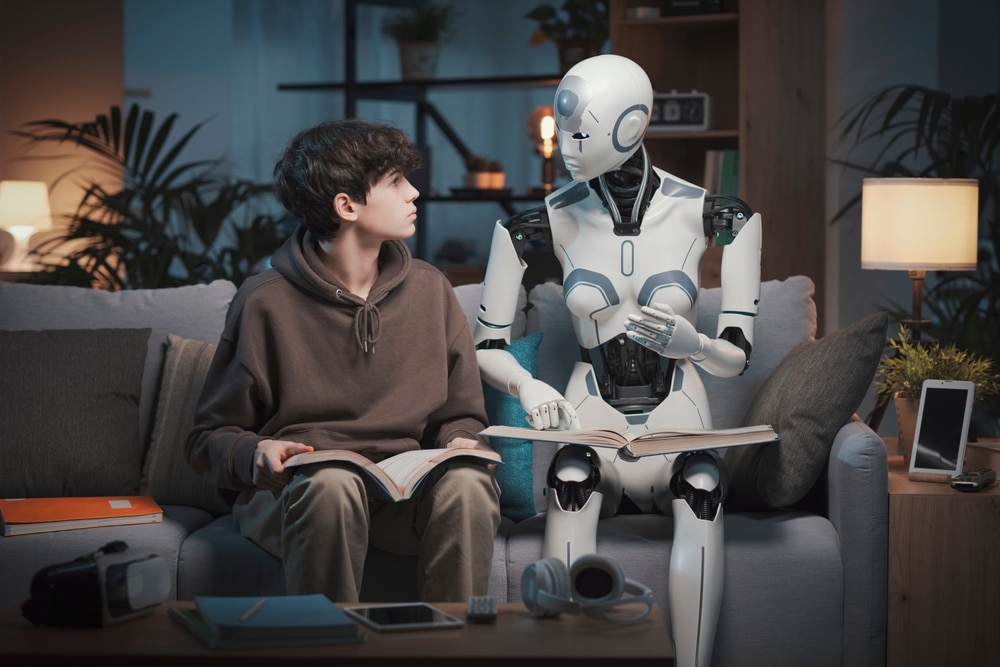
The recent explosion of artificial intelligence capabilities has dramatically changed robotics development. In the past, engineers needed to manually program countless behaviors and responses. Today, AI systems can learn patterns, recognize objects, understand language, and adapt to unfamiliar situations.
This shift is particularly important for humanoid robots because homes are highly unpredictable environments. Every house is different, and people constantly move objects, rearrange furniture, and introduce new situations. Traditional programming struggles with this level of variation.
Advanced AI allows robots to interpret context and make decisions based on available information. Instead of requiring exact instructions for every scenario, they can respond more flexibly. This capability is helping bridge one of the largest gaps between laboratory demonstrations and practical household use.
As computing power continues to improve and AI models become more efficient, robotic systems are expected to gain increasingly sophisticated abilities. Many industry observers believe this combination of artificial intelligence and robotics represents one of the most significant technological developments of the coming decade.
Will Families Actually Want Robots in Their Homes?
Technology does not succeed simply because it works. People must also feel comfortable using it. Public acceptance will play a major role in determining how quickly humanoid robots become part of everyday life.
History shows that attitudes toward new technology can change rapidly. Smartphones were once viewed as luxury gadgets but became essential tools within a relatively short period. Smart speakers, robotic vacuum cleaners, and connected home devices followed similar patterns.
However, robots are different because they move through personal spaces and interact directly with people. Some individuals may embrace the technology enthusiastically, while others remain skeptical. Trust, reliability, affordability, and usefulness will heavily influence adoption rates.
Cultural differences may also affect acceptance. In some regions, people tend to view robotic technology positively, while others express greater concern about automation and privacy. Manufacturers will need to address these perspectives thoughtfully as products reach broader markets.
So, Sci-Fi or Just a Few Years Away?
The answer depends on expectations. If people imagine machines that can cook gourmet meals, clean an entire house flawlessly, and hold conversations indistinguishable from humans, that future is likely still some distance away. The complexity of human intelligence and dexterity remains incredibly difficult to replicate.
However, if the vision involves practical assistants capable of handling selected household tasks, the timeline appears much shorter. Several companies have publicly stated goals of introducing useful consumer robots within the coming years. While early models may be expensive and limited, they could represent the beginning of a much larger transformation.
Most technological revolutions start gradually. Early personal computers, smartphones, and electric vehicles all had limitations before becoming mainstream products. The same pattern could apply to humanoid robots. Initial versions may perform only a handful of tasks, but each generation will likely become more capable, affordable, and useful than the last.
The future imagined by science fiction is no longer confined to books and movie screens. While challenges remain, the foundations are already being built. Humanoid robots are moving beyond research labs and into practical testing environments, supported by rapid advances in artificial intelligence and engineering. They may not replace humans, but they could become valuable helpers that improve convenience, accessibility, and productivity. Whether widespread adoption arrives in five years or fifteen, the direction of travel seems increasingly clear. What once felt like fantasy is steadily becoming reality, and the arrival of humanoid robots in our homes may happen sooner than many people expect.
Do you want to learn more future tech? Than you will find the category page here