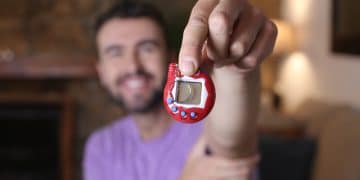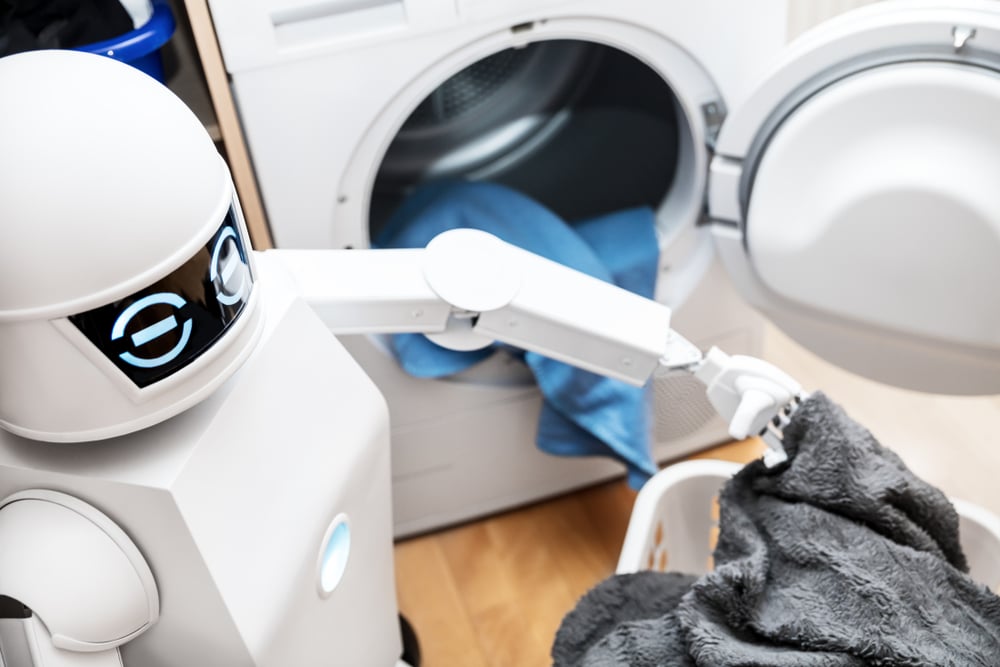
Robots have been vacuuming floors and mowing lawns for years, but folding laundry has remained one of the most frustrating household challenges for engineers. Clothes come in endless shapes, sizes, fabrics, and textures, making every shirt, sock, or towel a different puzzle. That is finally beginning to change. As advances in artificial intelligence, computer vision, and robotic hands continue to accelerate, machines are becoming surprisingly capable of handling one of the most ordinary chores in daily life. The rise of home robots in 2026 is turning laundry into a fascinating testing ground for technology that once belonged only in science fiction.
Why Folding Laundry Is So Difficult
Many people assume that folding laundry is easy because humans do it almost without thinking. In reality, it is one of the most complicated physical tasks a robot can attempt. A crumpled T shirt does not have a fixed shape like a coffee mug or a book. It bends, stretches, twists, and hides its edges in unpredictable ways. Engineers must teach robots to recognize fabrics, identify sleeves, corners, and collars, and decide how to grip each item without dropping it. This challenge has pushed researchers to create smarter systems that learn through millions of simulated practice sessions before touching real clothing.
The latest breakthroughs come from combining advanced cameras with machine learning models that recognize objects even when they are wrinkled or partially hidden. Instead of following one fixed routine, modern robots constantly adjust their movements after every small action. If a towel slips from a robotic hand, the system notices the mistake and tries another approach. This flexibility is what separates today’s experimental machines from older industrial robots that only succeeded in carefully controlled environments. It is also one reason why home robots in 2026 are attracting so much attention from technology companies.
Artificial Intelligence Is Becoming More Practical
Artificial intelligence is no longer limited to answering questions or generating images. Physical AI is becoming one of the biggest areas of research because it allows machines to understand and interact with the real world. Folding laundry is an excellent benchmark because success depends on vision, touch, movement, planning, and continuous learning. Every folded shirt teaches the system something new about handling soft materials and adapting to unexpected situations.
Researchers are increasingly training robots in digital simulations before transferring those skills to physical machines. This process dramatically reduces development time because the robot can practice thousands of different scenarios every day without wearing out real hardware. Once deployed, the robot continues learning from experience while maintaining safety limits. That combination of virtual learning and real world adaptation is helping accelerate the progress of home robots in 2026 far faster than many experts predicted only a few years ago.
Why Watching It Feels Surprisingly Strange
Videos of laundry folding robots often create mixed reactions online. Some viewers are impressed by the precision, while others describe the movements as oddly unsettling. A robotic arm carefully shaking out a shirt, smoothing wrinkles, and folding sleeves can look almost human, yet it still moves with mechanical precision. That combination creates an uncanny feeling because people instinctively compare the robot’s actions with their own everyday habits.
The strange feeling becomes even stronger when a robot pauses to rethink its strategy. Instead of moving smoothly from start to finish, it may stop, rotate a garment, and try a different grip after recognizing a mistake. While this hesitation is actually a sign of intelligent decision making, it also reminds observers that the machine is solving problems in real time. Moments like these explain why discussions about home robots in 2026 often focus as much on psychology as on engineering.
The Technology Behind Robotic Hands
Building a robotic hand is far more complicated than building a robotic arm. Human fingers contain dozens of joints, muscles, and sensory receptors that provide constant feedback about pressure and movement. Engineers have spent decades trying to recreate even a small part of that capability. Modern robotic grippers now include force sensors, flexible materials, and advanced software that allows them to hold delicate fabrics without tearing or stretching them.
Some research teams are also experimenting with tactile sensors that function almost like artificial skin. These sensors measure texture, pressure, and contact points hundreds of times every second. Combined with high resolution cameras, the robot gains a much clearer understanding of what it is holding. This growing sense of touch is expected to improve not only laundry folding but also cooking, cleaning, and organizing tasks that could become common features of home robots in 2026.
Will These Robots Actually Save Time?
The biggest question for consumers is whether robotic laundry folders will genuinely make life easier. Folding clothes usually takes only a few minutes for many households, so the value depends on convenience rather than speed. People with large families, demanding work schedules, or physical limitations may benefit the most from automation that quietly handles repetitive chores in the background.
Current prototypes are still relatively slow compared with experienced humans. A person can often fold an entire basket of laundry before an experimental robot finishes several shirts. However, technology usually improves through gradual refinements rather than dramatic leaps. Robot vacuum cleaners also started slowly before becoming reliable household appliances. Many analysts believe a similar path could await home robots in 2026 as hardware costs fall and software becomes more efficient.
The Challenges That Still Remain
Despite the impressive demonstrations, significant obstacles remain before robotic laundry folders become common household products. Price is one of the biggest barriers because advanced sensors, motors, and processors remain expensive. Reliability is another challenge. Consumers expect appliances to work consistently without constant supervision, and robots must prove they can handle thousands of different clothing items under changing conditions.
Privacy also deserves attention. Many household robots rely on cameras to understand their surroundings. Manufacturers therefore need strong security measures to protect personal information collected inside people’s homes. Responsible companies are increasingly emphasizing local processing, encrypted data storage, and transparent privacy policies. These issues will likely play an important role in determining how quickly home robots in 2026 gain public trust beyond technology enthusiasts.
Beyond Laundry
The ability to fold laundry represents much more than a convenient household trick. It demonstrates that robots are becoming capable of manipulating flexible objects, a skill that opens the door to many other applications. The same technology could help organize kitchens, make hospital beds, sort recycling, prepare packages, or assist elderly people with daily activities that require careful handling of fabrics and household items.
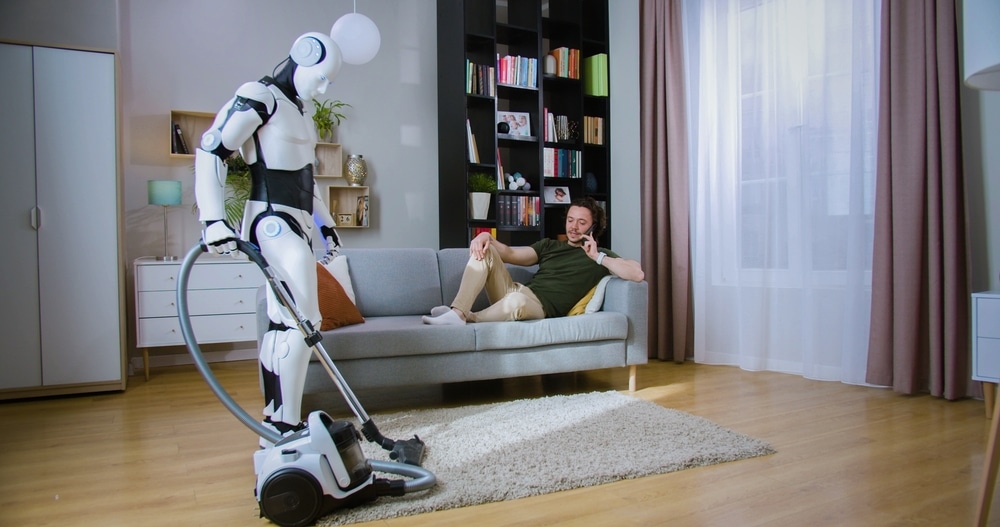
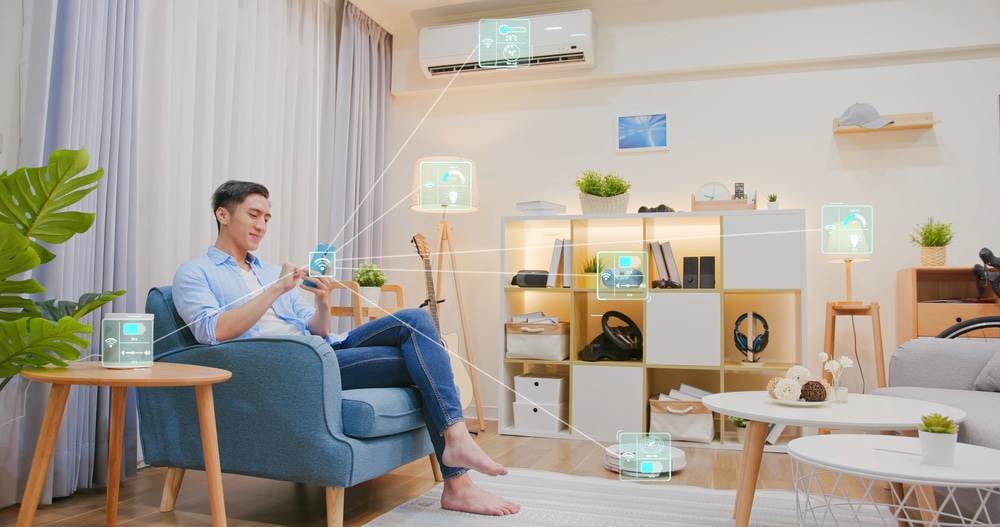
As these systems improve, researchers expect different household capabilities to merge into multifunctional assistants rather than separate machines for every chore. Instead of buying one robot for vacuuming and another for folding clothes, future consumers may own versatile helpers that perform many everyday tasks. That broader vision explains why investors and researchers continue pouring resources into home robots in 2026 despite the technical hurdles that still need to be overcome.
Technology often advances in surprising ways, and laundry folding has become one of the clearest examples of how difficult everyday tasks can be for machines. Although robotic assistants are still evolving, the progress made in recent years suggests that practical household automation is moving closer to reality. These systems are unlikely to replace every human chore anytime soon, but they are steadily becoming more capable, adaptable, and useful. Whether people find them fascinating, slightly unsettling, or simply convenient, home robots in 2026 are offering a glimpse of homes where tedious routines slowly become a thing of the past.
Do you want to learn more future tech? Than you will find the category page here