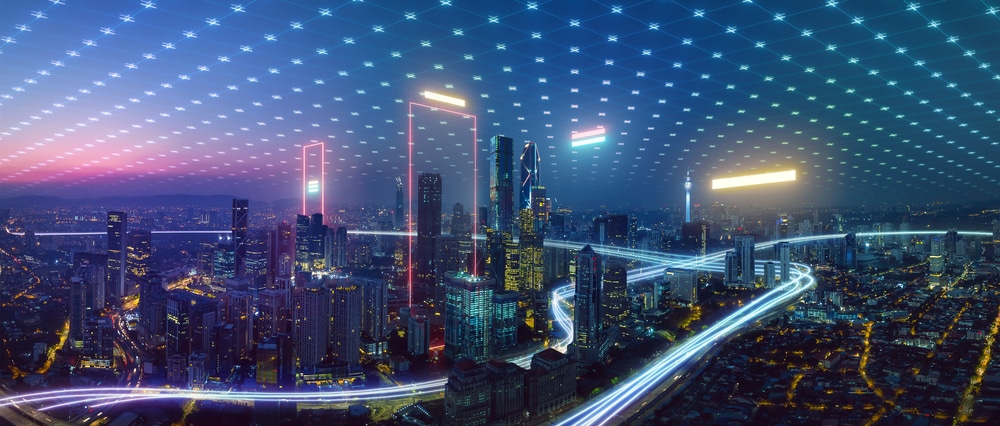
Technology has always moved quickly, but the pace of innovation in 2026 feels almost unbelievable. Ideas that once seemed reserved for science fiction movies are now becoming part of everyday life. From artificial intelligence that can handle complex tasks to medical breakthroughs that can transform healthcare, the world is witnessing a remarkable shift. Many of these advancements are changing how we work, communicate, travel, and even care for our bodies. The most surprising part is that these innovations are not decades away. They already exist today. These future technologies are proving that the future has arrived much sooner than many people expected.
AI Assistants That Act Instead of Just Answer
Artificial intelligence has evolved dramatically over the past few years. While early AI systems mainly answered questions or generated text, today’s systems are becoming capable of completing tasks on behalf of users. These digital assistants can schedule appointments, organize travel plans, analyze large documents, and manage workflows with minimal supervision. Businesses are increasingly using AI to automate repetitive work, allowing employees to focus on more creative and strategic tasks.
The rapid growth of AI has made it one of the most impactful future technologies shaping modern society. Researchers continue to improve reasoning capabilities, memory systems, and decision-making processes. As these systems become more reliable, they are likely to become as common as smartphones and laptops are today.
Smart Glasses Are Replacing Screens
For years, technology companies dreamed of creating wearable devices that could replace traditional screens. In 2026, that vision is much closer to reality. Advanced smart glasses can display directions, messages, translations, and digital information directly within a person’s field of view. Instead of constantly looking down at a phone, users can interact with information naturally while moving through the world.
Many experts believe these devices represent one of the most exciting future technologies currently available. Improvements in battery life, lightweight materials, and display quality have made smart glasses more practical than earlier versions. As costs decrease and adoption grows, these devices may fundamentally change how people interact with digital information.
Robots Are Becoming Everyday Helpers
Robotics has made enormous progress in recent years. Modern robots are no longer limited to factory environments. Some can clean homes, assist elderly individuals, deliver packages, and perform routine maintenance tasks. Thanks to advances in machine learning and computer vision, robots can navigate complex environments with increasing accuracy.
The development of future technologies in robotics is creating opportunities across numerous industries. Healthcare facilities use robotic assistants to transport supplies, while warehouses rely on autonomous machines to improve efficiency. As hardware becomes cheaper and software becomes smarter, personal robots may eventually become common household companions.
Personalized Medicine Powered by Genetics
Healthcare is entering a new era where treatments can be tailored to individual patients. Scientists now have access to advanced genetic analysis tools that help identify specific risks and potential treatment options. Rather than applying the same approach to every patient, doctors can use genetic information to develop highly personalized care plans.
This medical revolution demonstrates how future technologies can directly improve quality of life. Personalized medicine has the potential to increase treatment effectiveness while reducing side effects. Researchers are also exploring gene-editing techniques that could help address certain inherited conditions, opening doors that seemed impossible just a decade ago.
Autonomous Vehicles Continue to Advance
Self-driving technology has experienced years of development, testing, and refinement. In 2026, autonomous vehicles are operating in more locations and under a wider range of conditions than ever before. These vehicles use cameras, sensors, radar systems, and artificial intelligence to understand their surroundings and make driving decisions.
Among all future technologies, autonomous transportation may have one of the biggest impacts on daily life. Supporters believe it could reduce traffic accidents caused by human error, improve transportation access, and increase efficiency. While challenges remain regarding regulations and widespread deployment, the progress achieved so far has been remarkable.

Digital Humans and Virtual Companions
One of the most surprising innovations emerging today involves highly realistic digital humans. These computer-generated personalities can hold conversations, provide customer support, teach educational content, and interact with people in increasingly natural ways. Improvements in voice synthesis, facial animation, and language processing have made these interactions more convincing than ever.
Many companies are investing heavily in future technologies related to virtual companions. Some organizations use digital representatives to assist customers around the clock, while educational institutions experiment with virtual tutors. Although these systems are not replacing human relationships, they are creating entirely new forms of interaction between people and machines.
Lab-Grown Materials Are Transforming Manufacturing
Scientists are finding ways to grow materials in laboratories instead of extracting them through traditional industrial methods. Researchers have developed alternatives to leather, advanced building materials, and sustainable manufacturing components that require fewer natural resources. These innovations help reduce environmental impact while maintaining high performance standards.
The environmental benefits of future technologies in material science are significant. As industries seek more sustainable solutions, lab-grown materials may become increasingly important. These developments show that technological progress does not always mean consuming more resources. In many cases, innovation can help reduce waste and improve efficiency simultaneously.
Brain Computer Interfaces Are Becoming Reality
For decades, connecting the human brain directly to computers was largely considered science fiction. Today, researchers are making genuine progress in this field. Brain computer interfaces allow signals from the brain to communicate with external devices, potentially helping individuals with certain disabilities regain independence and control.
Some of the most ambitious future technologies involve expanding communication between humans and machines. While widespread consumer use remains a long-term possibility, current breakthroughs demonstrate the enormous potential of this field. Scientists continue to explore applications ranging from medical rehabilitation to enhanced digital interaction.
The Growing Role of Quantum Computing
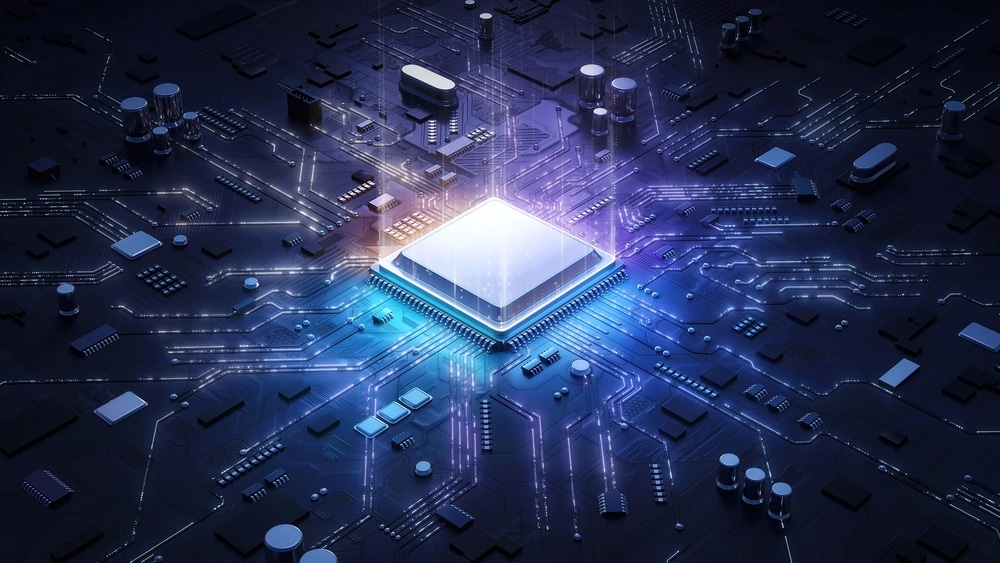
Traditional computers process information using bits that represent either a zero or a one. Quantum computers use entirely different principles that allow them to tackle certain complex problems much more efficiently. Although the technology remains in development, major organizations are investing billions into research and infrastructure.
Experts often describe quantum systems as future technologies capable of transforming industries such as medicine, finance, logistics, and scientific research. These machines are not expected to replace conventional computers, but they may solve problems that would otherwise take traditional systems an impractical amount of time to complete.
The innovations appearing in 2026 demonstrate that technological progress is accelerating at an extraordinary pace. Many concepts that seemed impossible only a few years ago are now functioning in laboratories, businesses, hospitals, and even homes. From artificial intelligence and robotics to genetic medicine and quantum computing, the world is witnessing a remarkable transformation. While some developments are still in their early stages, their potential impact is already clear. As these advances continue to mature, they will reshape industries and daily life in ways that are difficult to predict. The future is no longer a distant concept. It is unfolding right now before our eyes.
Do you want to learn more future tech? Than you will find the category page here