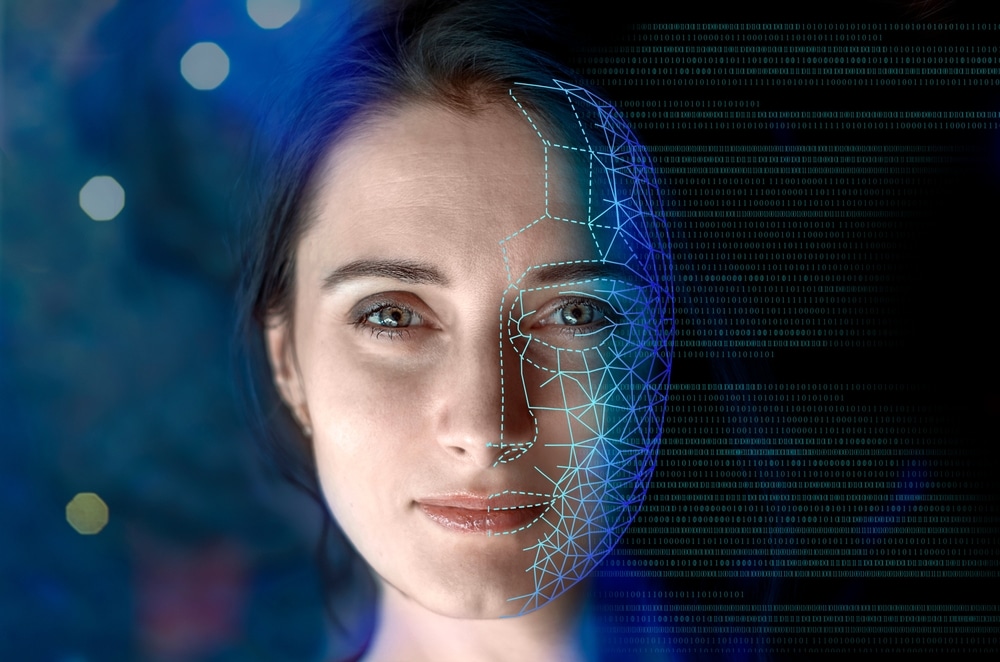
AI has moved far beyond answering questions and generating images. One of the newest developments is creating realistic digital versions of real people that can speak, respond, and even imitate personalities with surprising accuracy. These systems are becoming easier to build, raising fascinating possibilities as well as serious concerns. Businesses see opportunities, creators see new ways to reach audiences, and everyday people are wondering what this means for privacy and identity. As technology improves at a remarkable pace, digital AI clones are no longer science fiction. They are already entering workplaces, social media, entertainment, and even personal relationships in ways few expected.
The Rise of digital AI clones
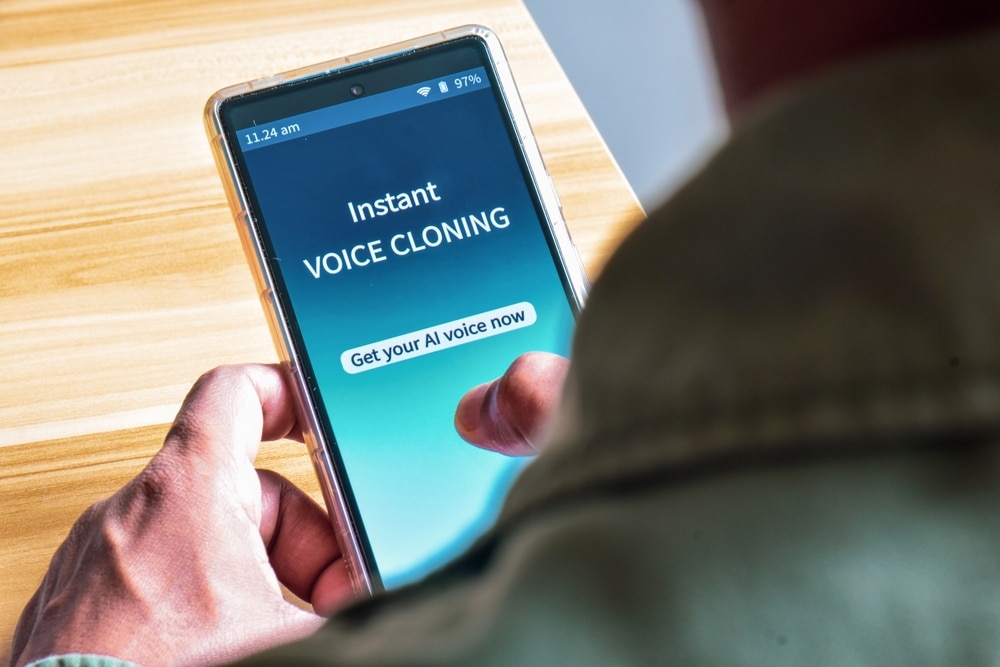
Only a few years ago, creating a convincing virtual copy of someone required expensive equipment and large development teams. Today, many online services allow users to train an AI with voice recordings, photos, and writing samples in just a few hours. The result can be surprisingly convincing. Some systems recreate facial expressions, while others mimic speech patterns or writing styles. The speed of development has surprised even industry experts, and new tools continue appearing every month. As costs fall, these technologies are becoming accessible to businesses, creators, educators, and ordinary consumers alike.
The growing interest comes from practical benefits as much as technological curiosity. Companies want virtual representatives who can answer customer questions around the clock. Influencers are experimenting with AI versions of themselves to respond to fans without spending every waking hour online. Professionals are exploring automated presentations, training sessions, and multilingual communication. In many situations, the technology offers genuine convenience while reducing repetitive work. At the same time, it raises important questions about authenticity, trust, and how people should interact with computer-generated versions of real individuals.

Behind these impressive systems are advances in machine learning, natural language processing, voice synthesis, and computer vision. Developers combine enormous datasets with increasingly powerful computing resources to create models that can imitate human behavior with remarkable detail. While today’s results are impressive, they are still imperfect. Small mistakes, unusual responses, or awkward emotional reactions often reveal that the person on screen is actually an AI. Even so, improvements are arriving rapidly, making those imperfections less noticeable with every new generation of technology.
Can Digital AI clones Replace You?
The idea of replacing a real person may sound dramatic, but most developers describe these tools as assistants rather than substitutes. A virtual version can answer common questions, deliver standard presentations, or greet customers while the real person focuses on more complex work. In theory, this allows people to spend less time on repetitive communication and more time on creative or strategic tasks. Whether that balance works depends heavily on how responsibly organizations introduce the technology and explain its purpose to users.
Many digital AI clones are already being used with permission from the people they represent. Celebrities license their voices for audiobooks and advertisements. Teachers create AI assistants that answer student questions outside classroom hours. Some executives record training material that can later be translated into multiple languages while preserving their appearance and speaking style. These examples demonstrate practical value without pretending that the AI has become the actual individual. Transparency plays a major role in maintaining public trust.
Problems arise when consent disappears. There have already been cases involving unauthorized voice copies, manipulated videos, and fake endorsements. These examples often rely on similar technologies, although they may not always involve fully interactive AI systems. Governments, technology companies, and legal experts are working on ways to address these challenges. Clear labeling, stronger identity verification, and updated laws may become increasingly important as realistic digital identities become more common across the internet.
The Ethics Behind digital AI clones
Ethics has become one of the most important discussions surrounding this technology. If someone can recreate another person’s appearance and voice, who owns that digital identity? Should family members be allowed to recreate deceased relatives? Can employers require workers to create AI versions of themselves? These questions have no universal answers yet. Different countries are approaching regulation in different ways, while courts continue to evaluate cases involving image rights, copyright, privacy, and personal consent.
Without careful safeguards, digital AI clones could make misinformation even more convincing. Fake interviews, fabricated political messages, or fraudulent business calls become harder to recognize as synthetic media improves. Security experts are encouraging organizations to use stronger verification methods rather than relying only on familiar voices or faces. Financial institutions, employers, and public agencies are also reviewing authentication systems because traditional methods may become less reliable as AI-generated content becomes increasingly realistic.
The ethical debate is not only about preventing abuse. It is also about ensuring people remain in control of their own identities. Consent should be informed, ongoing, and easy to withdraw whenever possible. Users should understand how their recordings, images, and personal data are stored, processed, and reused. Transparency helps build confidence, especially when AI interacts directly with customers or audiences. Trust will likely become just as valuable as technical performance in determining which companies succeed.
What Comes Next for digital AI clones
The future of this technology will probably involve closer collaboration between humans and AI rather than complete replacement. Virtual assistants may attend meetings, summarize conversations, answer routine requests, and deliver personalized updates while their human counterparts handle decisions requiring judgment and empathy. As computing power continues to improve, these interactions will likely become smoother and more natural. However, maintaining clear distinctions between real people and AI-generated representations will remain essential for preserving confidence and accountability.
Experts expect digital AI clones to become more personalized over the coming decade. Instead of generic virtual assistants, people may create AI systems trained on their own communication style, professional expertise, and preferred way of explaining information. Businesses could use these assistants internally for training or customer support, while individuals may rely on them to organize schedules, answer emails, or preserve personal knowledge. The possibilities are extensive, but responsible development will determine whether society embraces these tools or remains cautious.
Public opinion will continue shaping how these technologies evolve. Consumers are becoming more aware of privacy rights and increasingly expect companies to explain when AI is involved. Developers who prioritize transparency, consent, and security are likely to gain stronger reputations than those who pursue realism without clear safeguards. Regulations will almost certainly evolve alongside technological progress, creating standards that encourage innovation while protecting individuals from deception, exploitation, and misuse of their personal identity.
Technology often moves faster than society can adapt, and AI-generated identities are a perfect example. What once sounded futuristic is becoming part of daily life in business, entertainment, education, and communication. The challenge is not simply building increasingly realistic systems but deciding how they should be used. As digital AI clones become more capable, public trust will depend on transparency, consent, and responsible innovation. If those principles remain central, these tools could provide genuine value without undermining authenticity. The coming years will determine whether AI copies become trusted assistants or a source of growing confusion, making thoughtful choices more important than ever.
Do you want to learn more future tech? Than you will find the category page here