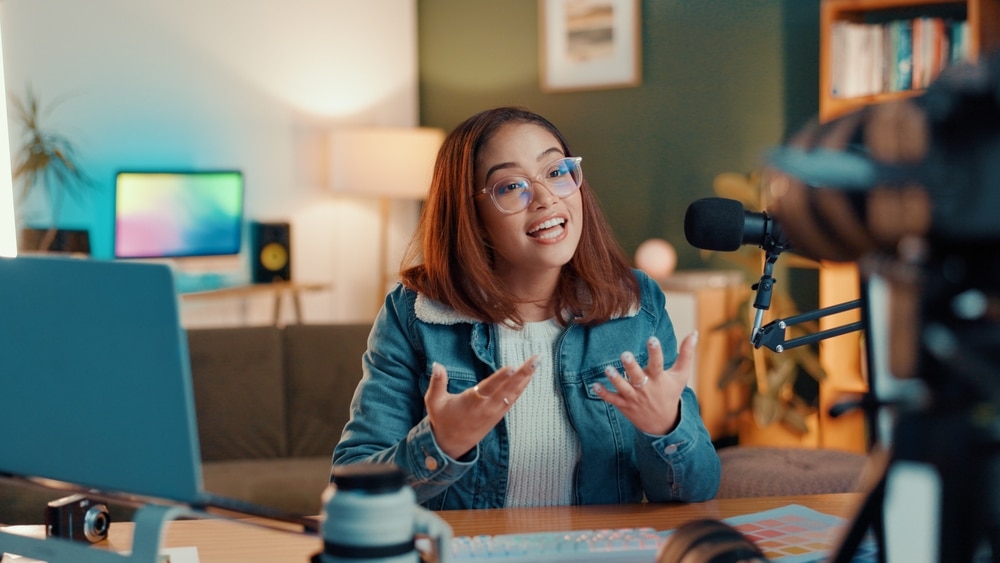
Deinfluencing has become one of the most surprising social media movements in recent years. Instead of encouraging endless shopping, creators are now telling viewers which products are not worth their money. The growing popularity of the deinfluencing trend reflects a wider shift in how people think about spending, advertising, and consumer habits. Many shoppers have grown tired of constant product recommendations and are looking for more honest opinions. As a result, videos warning people against unnecessary purchases often receive millions of views, proving that authenticity can be just as engaging as traditional influencer marketing.
Deinfluencing trend explained
At its core, the deinfluencing trend encourages consumers to think carefully before making purchases. Rather than promoting every new beauty product, gadget, or fashion item, creators explain why certain products may not live up to expectations. Sometimes they recommend cheaper alternatives, while other times they suggest skipping a purchase entirely. This approach stands out because it challenges the business model that has dominated influencer culture for years. Instead of pushing consumption, many creators focus on value, practicality, and long-term satisfaction, creating a refreshing change for audiences overwhelmed by endless advertising.
Why consumers are embracing honesty
Many people have become more skeptical of sponsored content after years of seeing influencers promote products that later disappointed buyers. Social media has made advertising feel more personal, but that also means audiences expect greater honesty. The deinfluencing trend resonates because it acknowledges that not every viral product deserves the hype. Consumers appreciate hearing balanced opinions that include both strengths and weaknesses. This transparency helps viewers make smarter purchasing decisions while building trust between creators and their audiences. In many cases, honesty has become more valuable than polished marketing campaigns.
The role of social media algorithms
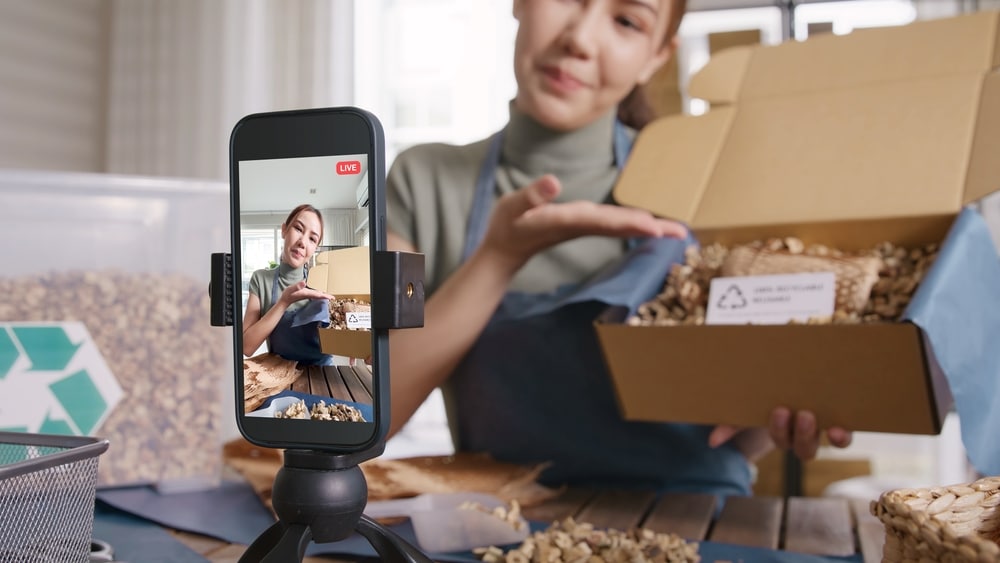
Platforms like TikTok, Instagram, and YouTube reward engaging content, and unexpected opinions often capture attention. Videos telling people not to buy something naturally spark curiosity because they go against traditional influencer behavior. The deinfluencing trend has benefited from this dynamic, reaching millions of users in a relatively short period. People enjoy hearing controversial takes or discovering that expensive products have affordable alternatives. As viewers comment, share, and debate these opinions, algorithms continue pushing the content to larger audiences, helping the movement grow even further.
Does deinfluencing really reduce spending?
Although the message often encourages buying less, the reality is more complicated. Some creators replace expensive recommendations with lower-priced products instead of suggesting no purchase at all. In that sense, the deinfluencing trend sometimes shifts spending rather than eliminating it. A viewer may avoid one luxury skincare product only to purchase another brand that received a positive recommendation. Even so, encouraging consumers to compare options and question marketing claims can lead to more thoughtful buying habits. That alone represents a meaningful change compared to impulsive shopping driven purely by online hype.
Brands are adapting to changing expectations
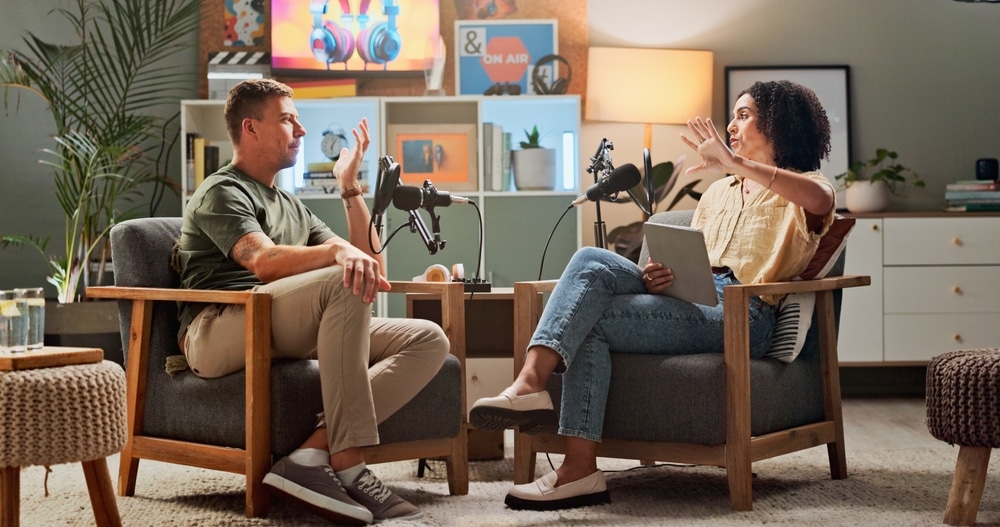
Companies have noticed that consumers increasingly value authenticity over perfect advertising. Many brands now work with creators who are willing to share balanced reviews instead of offering only praise. The deinfluencing trend has influenced marketing strategies by showing that honesty can strengthen credibility. Businesses that acknowledge product limitations often earn greater trust because customers appreciate realistic expectations. While some companies may initially worry about negative reviews, transparent communication can build stronger long-term relationships than exaggerated claims that eventually disappoint buyers after the purchase.
Financial awareness and mindful shopping
Rising living costs have also contributed to the popularity of more careful spending habits. Many households are paying closer attention to budgets, making it less appealing to purchase every trending product online. The deinfluencing trend aligns well with this mindset by encouraging people to ask whether they truly need something before clicking the buy button. Instead of chasing every viral recommendation, shoppers increasingly prioritize durability, usefulness, and personal value. This shift promotes financial awareness while reminding consumers that happiness rarely comes from accumulating unnecessary possessions.
What the future could look like
Consumer culture constantly evolves, and online trends rarely stay the same forever. Even so, the deinfluencing trend has introduced an important conversation about trust, transparency, and responsible consumption. Future influencers may combine honest product reviews with thoughtful recommendations, creating a healthier balance between marketing and genuine advice. Audiences are becoming more informed, and many now expect creators to explain both the benefits and drawbacks of products. That expectation could reshape influencer marketing for years, encouraging more authentic relationships between creators, brands, and the people who follow them.
As social media continues to evolve, consumers are becoming more selective about the advice they trust. Viral recommendations will always attract attention, but so will honest conversations about unnecessary spending. The deinfluencing trend demonstrates that authenticity can be just as influential as traditional advertising, especially when people are looking to make smarter financial decisions. Rather than rejecting shopping altogether, this movement encourages thoughtful choices based on real needs instead of temporary excitement. Whether it remains a lasting cultural shift or simply influences future marketing practices, it has already changed how many people think about buying online.
Do you want to learn more viral trends to improve your daily live? Than you will find the category page here