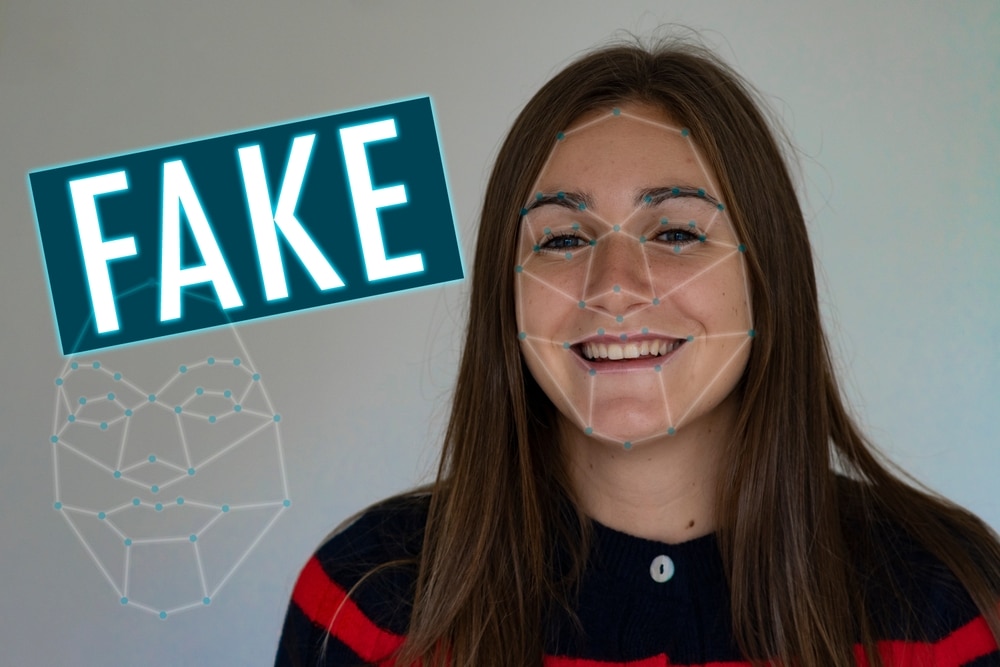
The internet is evolving fast, and not always in ways that are easy to detect. Deepfake videos are spreading rapidly across social media, often blending so seamlessly with real footage that most people cannot tell the difference. These AI generated clips can mimic voices, faces, and expressions with surprising accuracy. What started as experimental technology has quickly become widely accessible. As a result, people are encountering manipulated content more often, sometimes without even realizing it, which raises serious concerns about how we trust what we see online.
What Are Deepfake Videos
At their core, deepfake videos are synthetic media created using artificial intelligence to alter or generate visual and audio content. They often involve swapping faces or modifying speech to create realistic but false scenarios. Deepfake videos rely on machine learning models trained on large datasets of real footage. This allows the system to reproduce human expressions and voice patterns with impressive detail. As the tools become easier to use, more people are experimenting with this technology, increasing the volume of manipulated content circulating online.
Why They Are So Convincing
One of the main reasons deepfake videos are so difficult to identify is the level of realism they achieve. Subtle movements, facial expressions, and lighting are carefully replicated, making the final result look authentic. Deepfake videos benefit from advances in computing power and improved algorithms that refine every detail. For most viewers, spotting these differences requires close inspection or specialized tools. This realism is what makes the technology both fascinating and potentially dangerous, especially when used to mislead large audiences.
The Role of Social Media in Their Spread
Social media platforms play a major role in how deepfake videos gain traction. Content that is surprising or emotionally engaging tends to spread faster, regardless of its accuracy. Deepfake videos often fit this pattern, attracting attention and shares within minutes. Once they begin circulating, it becomes difficult to stop their momentum. Because verification takes time, these clips can influence opinions before the truth is clarified, making them a powerful tool for shaping narratives online.
Real World Consequences
The impact of deepfake videos goes beyond simple entertainment. They can be used to spread misinformation, damage reputations, or manipulate public perception. Deepfake videos have already been linked to scams, political controversies, and online harassment. In some cases, individuals have been falsely portrayed in ways that harm their personal or professional lives. These consequences highlight the importance of understanding how this technology works and the risks it introduces into everyday digital interactions.
Why Most People Struggle to Spot Them
Detecting deepfake videos is challenging because human perception is not designed to identify subtle digital alterations. Most people rely on visual cues and assume that what they see is real. Deepfake videos take advantage of this trust by closely mimicking natural behavior. Without technical knowledge or tools, it becomes difficult to question the authenticity of what appears on screen. This gap between perception and reality is what allows manipulated content to spread so effectively.

Efforts to Detect and Prevent Deepfakes
Researchers and technology companies are actively working to improve methods for identifying deepfake videos. Detection systems analyze patterns that may not be visible to the human eye, such as inconsistencies in movement or audio. Deepfake videos can sometimes leave behind digital traces that advanced tools can recognize. However, as detection improves, so does the technology used to create these videos. This ongoing competition makes it a constant challenge to stay ahead of potential misuse.
The Ethical and Legal Challenges
The rise of deepfake videos brings complex ethical and legal questions. Issues around consent, privacy, and accountability are becoming more urgent as the technology spreads. Deepfake videos can be created without the knowledge of the individuals involved, leading to serious consequences. Laws are still developing, and different regions are approaching regulation in various ways. Establishing clear guidelines will be essential to ensure that the technology is used responsibly and does not cause harm.
How to Protect Yourself Online
While it is not always possible to identify every manipulated clip, there are ways to reduce the risk of being misled by deepfake videos. Checking sources, verifying information, and avoiding quick reactions to shocking content can help. Deepfake videos often rely on emotional responses to gain attention, so taking a moment to think critically can make a difference. Being aware of how easily content can be altered is an important step toward navigating the digital world more safely.
The Future of Digital Trust
As technology continues to evolve, deepfake videos will likely become even more advanced and harder to detect. This will challenge how people interpret and trust digital information. Deepfake videos may push platforms to develop stronger verification systems and encourage users to adopt more cautious habits. The way society responds to this issue will shape the future of online communication and determine how trust is maintained in an increasingly complex digital environment.
Staying Aware in a Changing Landscape
The rapid growth of deepfake videos is changing how people experience online content. What once seemed like a distant concept is now part of everyday digital life. Deepfake videos have the potential to entertain, inform, and mislead, depending on how they are used. Understanding their impact is essential for staying informed and making better decisions online. By approaching content with awareness and critical thinking, individuals can navigate this evolving landscape with greater confidence and caution.
Do you want to learn more viral trends to improve your daily live? Than you will find the category page here