
The internet changes quickly, but every generation seems to invent its own way of talking. Today’s youngest online users have developed a vocabulary that often leaves older people completely confused. If you’ve ever scrolled through TikTok, YouTube Shorts, or gaming chats and wondered what everyone is talking about, you’re not alone. The rise of brain rot slang has created a shared language filled with memes, jokes, and references that spread at incredible speed. Understanding these expressions is less about memorizing words and more about understanding the culture, humor, and online communities that created them.
What Is Brain rot slang?
At first glance, brain rot slang may sound like nonsense, and that is partly the point. The phrase itself is often used jokingly to describe content or language that feels so repetitive, bizarre, or addictive that it seems to “rot your brain.” While nobody literally believes these words damage the mind, the expression captures the feeling of spending hours watching memes, short videos, and internet jokes. Gen Alpha has embraced this playful style of communication, constantly remixing phrases until they become part of everyday conversations both online and offline.
Many of these expressions are born on platforms like TikTok, Roblox, YouTube, and Discord before spreading across social media. Because trends move so quickly, brain rot slang changes faster than traditional slang ever did. A phrase that dominates conversations one month might completely disappear the next. That constant evolution keeps the language fresh while also making it difficult for parents, teachers, and even older teenagers to keep up with the newest expressions circulating online.
Why Gen Alpha Loves Internet Humor
One reason brain rot slang has become so popular is that it rewards people who understand the joke. Knowing the latest meme creates a sense of belonging within online communities. If someone recognizes a reference immediately, they are seen as part of the group. If they do not, someone else usually explains it, introducing even more people to the latest internet trend.
This type of humor also thrives because it often embraces randomness. Previous generations appreciated clever jokes or punchlines, but Gen Alpha frequently enjoys absurd combinations of words, exaggerated reactions, and intentionally confusing scenarios. A talking animal, an overdramatic sound effect, or a completely unrelated phrase can become hilarious simply because thousands of people repeat it. The shared experience becomes funnier than the original joke itself.
The Most Common Words You Might Hear
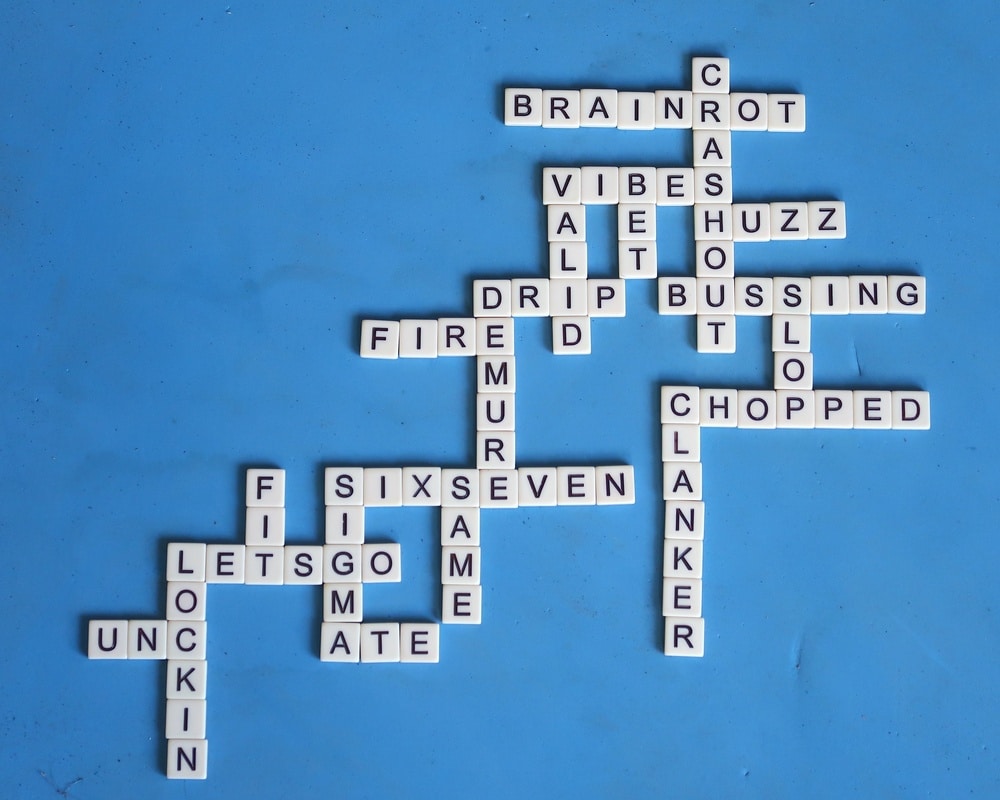
Anyone trying to decode brain rot slang will quickly notice that many terms are exaggerated for comedic effect. Words like “sigma,” “rizz,” “skibidi,” “NPC,” and “gyatt” appear constantly in videos and gaming chats. Some describe confidence, others refer to social situations, while a few are intentionally meaningless outside the context of a meme. Their definitions also shift as communities adapt them for new jokes.
Importantly, not every popular expression originates with Gen Alpha. Many phrases were first used by older internet communities before being adopted, transformed, and popularized by younger audiences. That recycling process has always existed in language, but social media dramatically accelerates it. A creator with millions of followers can introduce a phrase that becomes recognizable around the world within just a few days.
Memes Move Faster Than Dictionaries
Trying to create an official dictionary for brain rot slang would be almost impossible. By the time a list is published, several words may already be outdated. Internet culture values novelty, so users constantly search for fresh ways to surprise one another. Once a joke becomes too mainstream, many communities abandon it and move on to the next trend.
Algorithms also play a major role. Platforms recommend videos that receive strong engagement, allowing new catchphrases to spread with remarkable speed. A single viral clip can inspire thousands of remixes, reaction videos, and parodies. As millions of viewers repeat the same expressions, they quickly become familiar even to people who never saw the original video that started the trend.
Is It Actually Hurting Language?
Critics sometimes argue that brain rot slang is making young people forget proper communication. However, language experts generally view slang differently. Throughout history, every generation has created new expressions that older people considered confusing or unnecessary. Most slang eventually fades away, while a small number of words become permanent parts of everyday language.
Young people are also surprisingly skilled at switching between different styles of communication. A student may joke with friends using meme references during lunch but write a formal school assignment using completely standard English. Linguists call this code-switching, and it demonstrates that people can comfortably move between casual and formal language depending on the situation.
Why Adults Often Feel Left Behind
Parents and teachers sometimes feel overwhelmed because brain rot slang evolves so rapidly. Unlike previous generations, today’s trends spread globally instead of staying within one school or neighborhood. A child can discover a new phrase from a creator living on the other side of the world and begin using it the very same day.
Rather than dismissing every unfamiliar word, many experts encourage curiosity. Asking what a phrase means can become a fun conversation starter instead of a source of frustration. Young people often enjoy explaining the latest memes, even if they laugh a little while doing it. Those conversations can also help adults better understand the digital spaces where children spend much of their free time.
The Future of Online Language
The next generation of internet users will almost certainly invent entirely new expressions that replace today’s favorites. That cycle has repeated for decades, from early chatrooms and text messaging to modern social media platforms. Each technological shift creates fresh opportunities for creative communication and inside jokes that reflect the culture of the moment.
Instead of viewing internet slang as a mystery, it can be seen as a living record of online creativity. Every strange phrase tells a story about the communities that invented it, the platforms where it spread, and the humor that connected millions of people. While today’s popular words may eventually disappear, the process of creating new language will continue as long as people gather online to share ideas, jokes, and experiences.
Internet language has always reflected the communities that use it, and that remains true today. While some phrases may seem confusing at first, taking a little time to understand them reveals a fascinating world of creativity, humor, and shared experiences. The popularity of brain rot slang is less about replacing traditional language and more about adding another layer to how young people express themselves. Like every generation before them, Gen Alpha is creating its own cultural identity through words. Some expressions will disappear quickly, while others may become permanent parts of everyday conversation in the years ahead.
Do you want to learn more viral trends to improve your daily live? Than you will find the category page here