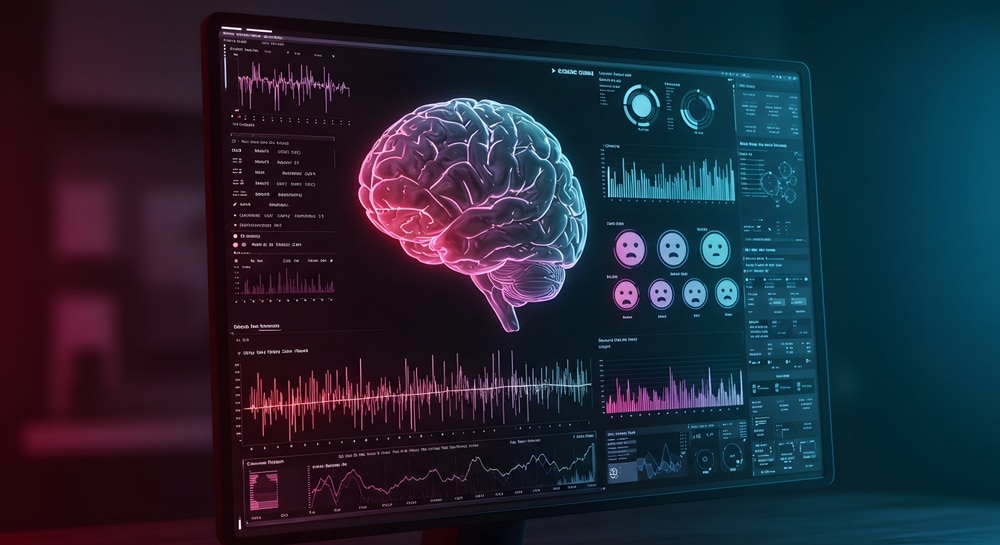
For decades, brain-controlled technology belonged mostly to science fiction. Movies imagined people controlling machines with their thoughts, downloading memories, or communicating silently through advanced computers. Today, reality is far more impressive than many people realize, even if it is less dramatic than Hollywood suggests. Researchers around the world have made remarkable progress, and a brain computer interface is no longer an impossible dream. Instead, it is becoming a practical tool for medicine, communication, and scientific discovery. Understanding what already exists—and what still requires years of research—helps separate exciting breakthroughs from exaggerated headlines.
How the Technology Actually Works
When people hear about mind-controlled computers, they often imagine machines reading every private thought. That is not how the technology works. Instead, sensors detect specific patterns of electrical activity produced by the brain. Advanced software then translates those signals into commands that a computer or another device can understand. The process requires careful training, sophisticated algorithms, and cooperation between the user and the system. While a brain computer interface can recognize certain intended actions, it cannot simply access memories, emotions, or hidden thoughts like many fictional stories suggest.
Medical Applications Are Leading the Way
Healthcare remains the biggest reason this technology has advanced so quickly. Researchers have developed systems that allow people with paralysis to move robotic arms, control computer cursors, or communicate by selecting letters on a screen. Some experimental devices have even helped patients regain limited movement after serious injuries. Every success builds upon years of neuroscience, engineering, and clinical testing. Although these systems are still relatively specialized, a brain computer interface already offers life-changing possibilities for people who have lost the ability to communicate or perform everyday tasks independently.
Why Invasive and Non-Invasive Systems Matter
Not every device interacts with the brain in the same way. Some systems require surgery to place tiny electrodes directly inside or on the surface of the brain. These invasive approaches usually produce clearer signals because they are much closer to active neurons. Other systems use external sensors built into caps or headsets that rest on the scalp. These are much safer and easier to use but often collect weaker signals. Choosing the right brain computer interface depends entirely on the intended purpose, balancing performance with safety and convenience.
The Biggest Technical Challenges
Despite impressive demonstrations, researchers continue to face major obstacles before this technology becomes common in everyday life. Brain signals are incredibly complex and vary from person to person. Even the same individual can produce slightly different signals depending on fatigue, stress, or concentration. Engineers also need hardware that remains reliable for years without causing discomfort or medical complications. Improving speed, accuracy, and long-term stability remains a top priority. Every new brain computer interface represents years of careful testing rather than a sudden revolutionary breakthrough.
Could Healthy People Use It One Day?
Many companies envision a future where healthy users interact with computers in entirely new ways. Instead of relying only on keyboards, touchscreens, or voice commands, people might eventually perform certain tasks using brain activity. However, experts generally agree that traditional input devices remain faster and more practical for most situations today. Any widespread consumer adoption would require technology that is comfortable, affordable, reliable, and genuinely useful. Before a brain computer interface becomes an everyday household product, those practical challenges must first be solved.

Privacy and Ethical Questions
As brain-related technology becomes more capable, ethical discussions naturally become more important. Brain activity contains sensitive biological information, even if today’s systems cannot read complex thoughts. Policymakers, scientists, and technology companies are already discussing how this data should be collected, stored, and protected. Questions about consent, cybersecurity, and equal access deserve careful attention before these devices become more widespread. Responsible innovation means ensuring that every brain computer interface improves lives without creating unnecessary risks or compromising personal privacy.
Separating Real Progress from Marketing Hype
Public excitement sometimes outpaces scientific reality. Headlines often describe dramatic breakthroughs that sound like immediate consumer products, even though many remain early laboratory experiments. Successful demonstrations involving a handful of participants do not automatically translate into technology available worldwide. Clinical approval, manufacturing, safety testing, and affordability all require considerable time. Understanding this development process helps people appreciate genuine achievements without expecting overnight miracles. The current brain computer interface landscape is exciting precisely because steady progress continues to build upon solid scientific evidence instead of unrealistic promises.
What the Next Decade Could Bring
The coming years will likely deliver gradual improvements rather than sudden transformations. Researchers expect faster signal processing, more comfortable wearable devices, better artificial intelligence for interpreting brain activity, and expanded medical treatments. Rehabilitation, communication assistance, and advanced prosthetics will probably continue leading development before mainstream entertainment or workplace applications become common. As hardware becomes smaller and software becomes smarter, opportunities will continue to grow. Each new brain computer interface developed by scientists brings us another step closer to technologies that once existed only in the pages of science fiction.
The future of brain-controlled technology is exciting because real scientific progress is happening today, even if many popular claims remain exaggerated. Medical researchers continue improving treatments for people with severe disabilities, while engineers explore new possibilities for communication and human-computer interaction. At the same time, important conversations about privacy, ethics, and safety must develop alongside the technology itself. A brain computer interface is no longer a distant fantasy, but neither is it a magical machine capable of reading every thought. Understanding both its current strengths and its real limitations offers the clearest picture of what lies ahead.
Do you want to learn more future tech? Than you will find the category page here