
It feels like we’re living in a golden age of productivity tools. Every app promises to organize our lives, streamline our tasks, and boost our output. Yet, for many of us, getting things done feels harder than ever. We’re drowning in to-do lists, calendar alerts, and a constant stream of notifications, all designed to make us more efficient. But instead of feeling on top of things, we often feel overwhelmed and scattered. It’s like trying to build a house with a million different tools, but none of them quite fit together.
Why Modern Productivity Feels Like A Trap
We’re often told that more tools mean more progress. We download the latest task manager, try a new time-blocking technique, and meticulously plan our days. But sometimes, these very systems can become the problem. Instead of simplifying our work, they add another layer of complexity. We spend so much time managing our productivity tools that we have less time for the actual work. It’s a cycle that can leave us feeling busy but not accomplished.
The Illusion Of Constant Progress
Think about it: how many productivity apps have you downloaded, used for a week, and then forgotten about? It’s easy to get caught up in the idea of being productive, chasing the next perfect system. This constant search can create an illusion of progress, making us feel like we’re always working towards something better, even if our actual output hasn’t changed much. We might be ticking off more small tasks, but are we making progress on the big, important things?
When Efficiency Backfires
Sometimes, the drive for efficiency can actually work against us. When we’re hyper-focused on optimizing every minute, we can lose sight of what truly matters. We might start avoiding difficult tasks because they don’t fit neatly into our optimized schedule, or we might feel guilty for taking breaks, even when we desperately need them. This can lead to burnout and a feeling that our work is controlling us, rather than the other way around.
Here’s a look at how efficiency can sometimes backfire:
- Task Switching Overload: Constantly jumping between different tasks and tools drains mental energy.
- The Planning Trap: Spending more time planning and organizing than actually doing the work.
- Ignoring Natural Rhythms: Forcing yourself to work during low-energy periods just because your schedule says so.
The goal of productivity tools should be to simplify your life, not add more complexity. If you find yourself spending more time managing your system than doing your work, it might be time to re-evaluate.
Rethinking Your Relationship With Productivity
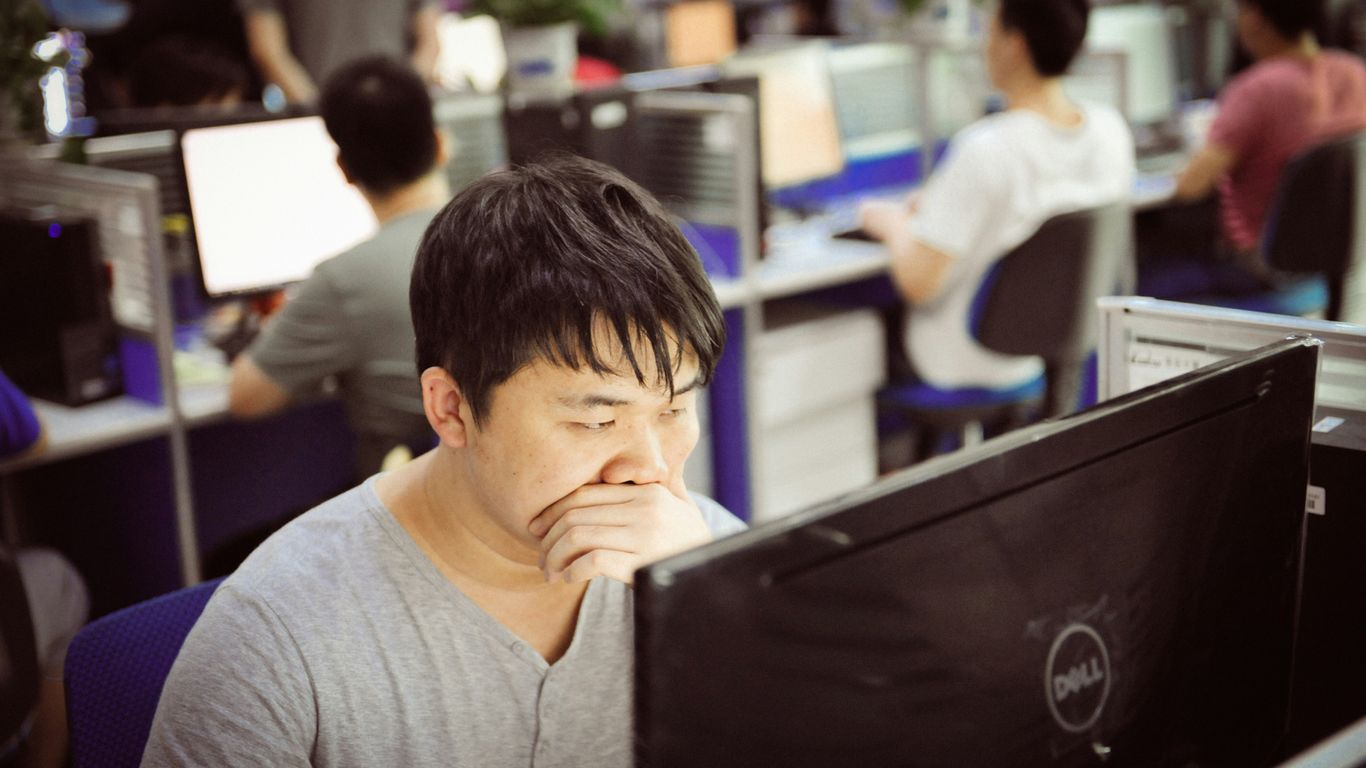
It’s easy to get caught up in the idea that being productive means constantly doing more. We see the endless to-do lists, the packed calendars, and we think, “This is it. This is how I win.” But sometimes, this chase for productivity can feel less like progress and more like a trap. It’s like running on a treadmill – you’re moving, but you’re not really getting anywhere new.
Productivity As Survival, Not Success
For many of us, productivity has become a way to feel safe, not necessarily successful. When life feels a bit chaotic, ticking off tasks can give us a sense of control. It’s a way to avoid feeling uncertain or overwhelmed. Think about it: do you ever feel a little panicked when your schedule suddenly opens up? Or maybe guilty when you take a break because there are still things left to do? That feeling of needing to always be doing something, even if it’s not the most important thing, is a sign that productivity has shifted from a helpful tool to a survival mechanism.
- Panic when your calendar has free space.
- Guilt when you rest.
- Choosing busy work over hard decisions.
- Feeling safest when you’re occupied, regardless of the task’s value.
When productivity stops being about making real progress and starts being about avoiding uncomfortable feelings, it’s time to re-evaluate.
The To-Do List Addiction
To-do lists can be great, but they can also become a crutch. Each item you check off gives you a little hit of satisfaction, a tiny dopamine boost. This can lead to an addiction where you’re constantly adding things just to get that feeling, rather than focusing on what truly matters. You might find yourself reorganizing your desk or researching a new app instead of tackling a big, important project. It’s not about the task itself; it’s about the act of completing something to feel a sense of accomplishment, even if it’s superficial.
Decoupling Worth From Output
This is a big one. We often tie our self-worth to how much we get done. If you’re not busy, you might feel like you’re not valuable. But that’s not true. Your worth isn’t measured by your output. It’s time to start separating who you are from what you do.
Here are a few ways to start:
- Schedule Rest: Put breaks and downtime on your calendar just like you would a meeting. Make them non-negotiable. Call it “recharge time” if that helps.
- Track Meaning, Not Just Tasks: At the end of the day, ask yourself: What really mattered today? What didn’t get done, and how did that feel? Did anything bring clarity or peace, even if it wasn’t a task you could check off?
- Emotional Check-In: Before you start working, ask yourself: What’s really driving me today? Is there anything I’m avoiding feeling? Sometimes, our most “productive” hours are just us running from something else.
You are not a machine, and your value isn’t tied to your to-do list. It’s okay to feel good about yourself without having to earn it through constant work.
Fueling Your Focus: The Body-Mind Connection
You know how sometimes you feel like you’re running on fumes, even when you’ve got all the best apps and to-do lists? That’s often because we forget the basics. Our bodies and minds are pretty connected, and what we put into them, and how we treat them, makes a huge difference in how well we can actually focus and get things done.
Nutrition For Mental Clarity
Think of your brain as a high-performance engine. It needs the right fuel to run smoothly. Skipping meals or grabbing junk food might seem quick, but it often leads to energy crashes that kill your productivity. Instead, try to focus on foods that give you steady energy.
- Morning Power-Up: Start your day with protein. Eggs, Greek yogurt, or a protein shake can keep you going longer than a sugary cereal. It helps avoid that mid-morning slump.
- Stay Hydrated: It sounds simple, but drinking enough water is a game-changer. Keep a water bottle nearby and take sips throughout the day. You’d be surprised how much better you feel.
- Smart Snacks: When hunger strikes between meals, reach for nuts, a piece of fruit, or a bit of dark chocolate. These give your brain a quick boost without the sugar rush and crash.
Cutting back on too much caffeine and sugar can really help. They give you a temporary lift, but the drop afterward makes it harder to concentrate.
The Crucial Role Of Sleep
We often treat sleep like a luxury, something to cut back on when we’re busy. But here’s the thing: not getting enough sleep seriously messes with your brain. Studies show that even a little bit of sleep deprivation can make it much harder to think clearly and solve problems.
- Create a Sleep Sanctuary: Make your bedroom cool, dark, and quiet. A cooler room (around 68°F or 20°C) helps your brain get into sleep mode. Blackout curtains or a sleep mask can block out light that might wake you up.
- Wind Down Routine: Try to disconnect from screens at least 30 minutes before bed. The blue light from phones and computers can mess with your body’s natural sleep signals. Instead, read a book, write in a journal, or listen to some calming music.
- Consistency is Key: Going to bed and waking up around the same time each day, even on weekends, helps regulate your body’s internal clock.
Movement For A Sharper Mind
It might seem counterintuitive, but moving your body can actually make you more productive. Sitting for long periods isn’t great for your brain. Getting up and moving, even for a few minutes, can help clear your head and boost your focus.
- Walk It Out: If you have a phone call or a meeting that doesn’t require you to be at your desk, try taking it while walking. Fresh air and movement can spark new ideas and help you think more clearly.
- Desk Breaks: Set a timer to remind yourself to stand up and stretch every hour. Simple movements like shoulder rolls or touching your toes can prevent that sluggish feeling and keep your mind alert.
- Short Bursts: Even a 5-minute walk around the block or some quick stretches can make a difference. Think of it as a quick reset button for your brain.
Mastering Your Mind For Modern Productivity

Deep Work Blocks For Flow State
Ever feel like you’re busy all day but don’t actually get much done? That’s often because we’re pulled in too many directions. Deep work is about carving out uninterrupted time to focus on one important task. Think of it like setting aside a solid block of time, maybe 90 minutes, where you can really get into the zone. During this time, you shut down all the noise – no emails, no Slack messages, no random internet checks. It sounds simple, but it’s surprisingly hard to do.
The payoff, though? You can often get more done in those focused 90 minutes than you would in three hours of trying to juggle everything at once. It’s about quality of focus, not just quantity of time.
Strategic Breaks For Peak Performance
Taking breaks isn’t slacking off; it’s actually a smart way to keep your brain working well. When you push yourself too hard without a pause, your focus starts to fade, and you get more tired. Think of breaks like interval training for your brain. You work hard for a bit, then you rest and recover, which helps you perform better when you get back to it. Instead of scrolling through your phone during a break, try something that actually helps you reset, like a short walk outside, some simple stretches, or just a few minutes of deep breathing. These little pauses help you stay sharp and avoid burnout.
Here’s a quick guide to better breaks:
- Move Your Body: Even a 5-minute walk can make a difference.
- Change Your Scenery: Step away from your desk, look out a window.
- Mindful Moments: Try a quick meditation or some deep breaths.
Energy Mapping For Natural Rhythms
We all have times of day when we naturally have more energy and focus, and times when we don’t. Trying to force yourself to do complex work when your energy is low is just frustrating. Energy mapping is about figuring out your personal energy patterns and scheduling your work accordingly. Are you a morning person who’s sharpest before lunch? Or do you hit your stride later in the day? Once you know your peak times, you can schedule your most demanding tasks for then. Save the easier, less demanding tasks for when your energy naturally dips. It’s about working with your body’s rhythm, not against it. This way, you’re not fighting yourself all day long.
Tech That Serves, Not Distracts
It feels like there’s a new app or gadget promising to make us more productive every single day. But sometimes, all these tools just add to the noise, right? The trick isn’t just having more tech, it’s about using the right tech in a way that actually helps us focus instead of pulling us away. We need tools that work for us, not against us.
Focus-Building Apps
These apps are designed to help you stay on task by minimizing distractions. Think of them as digital gatekeepers for your attention. They can be super helpful when you need to get into a flow state and just get things done without constant interruptions.
- Forest App: This one is pretty neat. You plant a virtual tree when you start a focus session. If you leave the app to check social media or something else, your tree dies. It’s a simple visual cue that can really help you stay on track. Plus, they partner with a real-world tree-planting organization, so your focus actually does some good.
- Freedom: This app lets you block distracting websites and apps across all your devices. You can schedule these blocks, so you don’t even have to think about it – it just happens.
- Cold Turkey Blocker: Similar to Freedom, but with a bit more power. You can set specific block lists and even lock yourself out of disabling the blocker for a set period. It’s for when you really need to buckle down.
Time-Tracking For Workflow Optimization
Ever wonder where all your time actually goes? Time-tracking tools can be eye-opening. They help you see patterns in your day, identify time sinks, and figure out how to use your hours more effectively. It’s not about micromanaging yourself, but about understanding your workflow better.
- RescueTime: This tool runs in the background and automatically tracks the time you spend on different applications and websites. It gives you reports showing your most productive and distracting activities. This kind of insight is key to making real changes.
- Toggl Track: If you bill by the hour or just want to be more mindful of how long specific tasks take, Toggl is great. It’s easy to start and stop timers for different projects.
- Clockify: A free option that offers similar features to Toggl, allowing you to track time and manage projects.
Customizable Organization Tools
Not everyone’s brain works the same way, and that’s okay! Customizable organization tools let you build a system that fits your personal style and needs. Instead of trying to force yourself into a rigid structure, you can create one that feels natural.
- Notion: This is an all-in-one workspace. You can use it for notes, task lists, project management, databases, and so much more. The real power comes from its flexibility – you can build dashboards and systems tailored exactly to how you think and work.
- Evernote: A long-standing favorite for note-taking and organizing information. It’s great for clipping web pages, saving documents, and keeping all your ideas in one searchable place.
- Trello: Uses a visual board system with cards and lists, making it easy to manage projects and tasks in a clear, step-by-step way. It’s particularly good for visual thinkers.
The goal with these tools is to create a digital environment that supports your focus, not one that constantly demands it. It’s about making technology a helpful assistant rather than a demanding boss. You can find some great remote work essentials to help with this online.
Choosing the right tools and setting them up thoughtfully can make a big difference in how productive you feel, without adding more stress to your day.
Setting Boundaries For Sustainable Efficiency
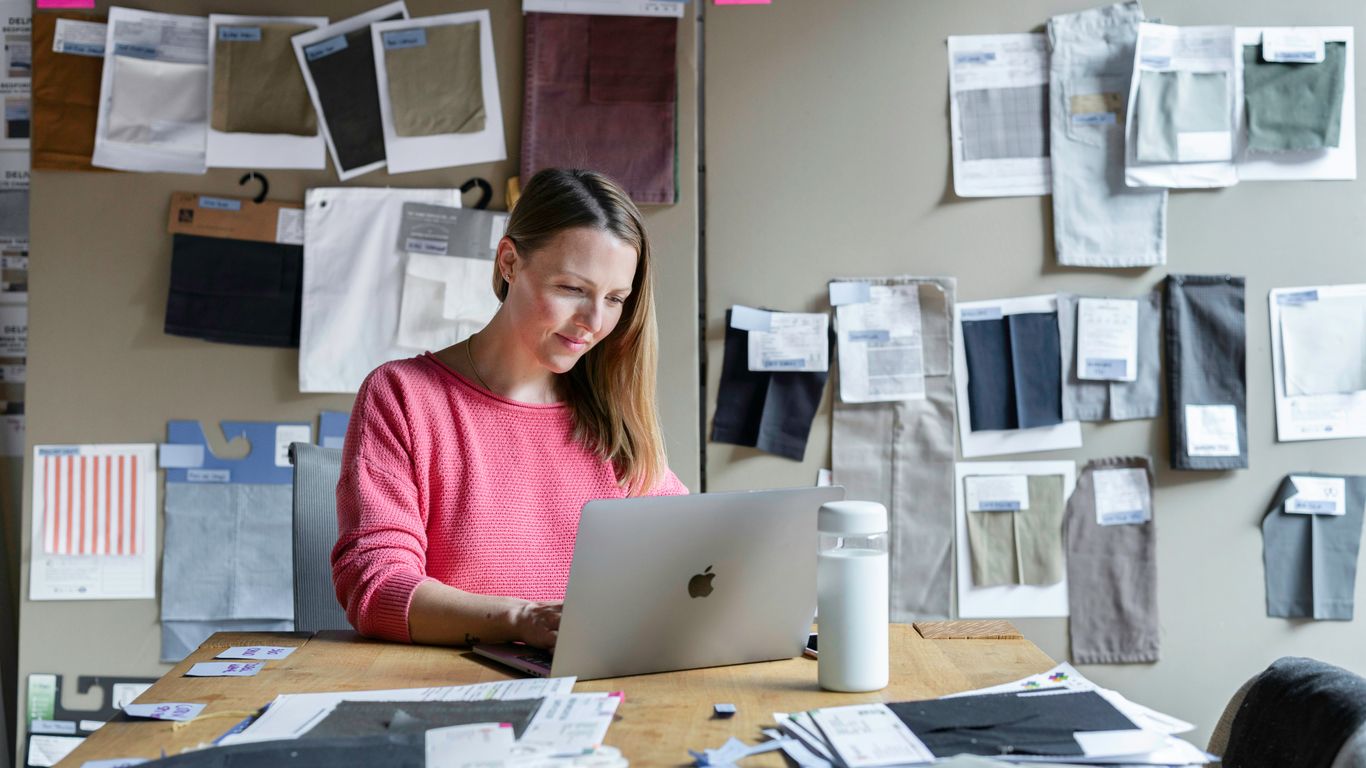
It’s easy to get caught up in the idea that we need to be “on” all the time. But constantly being available can actually drain your energy and make you less productive in the long run. Setting clear boundaries is like building guardrails for your day, helping you protect your focus and energy so you can do your best work without burning out. This isn’t about being less available; it’s about being more intentional with your time and energy.
Communication Hours and Availability
Think of your inbox not as a 24-hour hotline, but as a communication channel with specific operating hours. Letting people know when you’re generally available can prevent constant interruptions. It’s not about ignoring messages, but about managing expectations so you can have uninterrupted blocks of time for focused tasks. You can communicate these hours through your email signature, a status message on your communication apps, or even a quick note to your team.
- Set specific times for checking and responding to emails/messages.
- Communicate your “offline” hours clearly to colleagues and clients.
- Consider using “do not disturb” features during deep work sessions.
Batching Meetings For Focus Time
Meetings are often necessary, but a day scattered with them can shatter your concentration. A smart approach is to batch your meetings. Try to schedule them all on one or two days of the week, or group them into specific time blocks. This frees up larger, uninterrupted chunks of time for the deep work that truly moves the needle. It’s a simple shift that can dramatically increase your ability to get into a flow state.
Creating Guardrails For Your Day
Guardrails are simply rules you set for yourself to keep your day on track and protect your well-being. These can be small things, like deciding not to check work email after a certain hour, or bigger things, like scheduling your most demanding tasks for when you naturally have the most energy. It’s about making conscious choices that support your productivity and prevent you from getting pulled in too many directions.
For example, you might decide to dedicate specific days to certain types of tasks, rather than having a never-ending to-do list that feels overwhelming. This helps you claim back control over your time and choices, rather than feeling dictated by external demands. Learning to say ‘no’ to things that don’t align with your priorities is also a key guardrail. It’s about protecting your most valuable resource: your focus.
Setting boundaries isn’t about being rigid; it’s about being realistic with your energy and attention. It’s about creating a structure that allows you to be productive without sacrificing your mental and physical health. Think of it as designing a work environment that supports your best performance, rather than one that constantly drains you.
Here’s a simple way to think about it:
| Boundary Type | Example Action |
|---|---|
| Communication | No emails after 7 PM |
| Meeting Schedule | All team meetings on Tuesdays and Thursdays |
| Task Management | Focus on deep work from 9 AM – 11 AM daily |
| Personal Time | No work-related calls during family dinner |
| Information Consumption | Limit social media during work hours |
The Future Of Modern Productivity
Where are we headed with all this productivity stuff? It feels like we’re always on the lookout for the next big thing, right? Well, the future looks like it’s going to be a mix of smart tech and a better understanding of ourselves.
AI And Automation For Efficiency
Think about all those little tasks that eat up your day – sending routine emails, scheduling meetings, sorting through data. AI and automation are getting really good at handling these. The goal isn’t to replace us, but to free us up for the work that actually needs our human touch. It’s like having a super-efficient assistant that never gets tired. This means less time spent on busywork and more time for creative thinking or complex problem-solving.
Biometric Tracking For Personal Energy
This one sounds a bit sci-fi, but it’s really about understanding your own body better. Biometric tracking, like using smartwatches or other wearables, can give us insights into our natural energy levels throughout the day. Are you a morning person who hits a wall after lunch? Or do you get a second wind in the evening? Knowing this helps you schedule your most demanding tasks for when you’re naturally at your best. It’s about working with your body’s rhythms, not against them.
Prioritizing Mental Health In Work
This is a big one, and thankfully, it’s getting more attention. The future of productivity isn’t just about doing more; it’s about doing it sustainably without burning out. This means workplaces and tools will increasingly focus on well-being. Think about features that encourage breaks, manage workloads to prevent overload, and support mental rest. True productivity comes from a healthy mind and body.
Here’s a quick look at what this might mean:
- Smarter Task Delegation: AI handles routine tasks, letting you focus on strategy.
- Personalized Workflows: Tools adapt to your unique energy patterns.
- Burnout Prevention: Systems designed to support mental health, not just output.
- Reduced Distractions: Technology actively helps you stay focused.
The future of productivity is less about chasing more tasks and more about doing the right tasks, at the right time, with the right energy. It’s a shift from quantity to quality, powered by technology and a deeper self-awareness.
What’s the Takeaway?
It’s easy to get caught up in the endless cycle of new apps and fancy systems, thinking they’ll magically fix everything. But as we’ve seen, true productivity isn’t just about having the latest tools. It’s about understanding ourselves better – our energy levels, our habits, and why we push ourselves so hard in the first place. Instead of chasing more, let’s focus on working smarter, taking care of ourselves, and finding a rhythm that actually feels good. Because when we stop trying to prove something and start focusing on what truly matters, that’s when we can actually get things done, without feeling completely drained.
Do you want to learn more helpful tools to increase your digital productivity? Than you will find the category page here