Imagine waking up to a notification on your phone that gently suggests taking it easy today, long before you feel unwell. That idea no longer belongs only to science fiction. Thanks to sensors, data analysis, and smart software, our everyday devices are learning to recognize early signs of illness. Predictive health technology is changing how we think about healthcare by shifting the focus from reacting to sickness to spotting it early.
In this article, we explore how phones and wearables can detect subtle changes in your body, what this means for the future of medicine, and why this trend could redefine how we stay healthy in the years ahead.
How smartphones became health monitors
Modern smartphones are packed with sensors that were originally designed for convenience and entertainment. Accelerometers track movement, microphones pick up sound, and cameras capture high quality images. Over time, developers realized that these tools could also reveal clues about our health. Changes in typing speed, walking patterns, or even voice tone can hint at fatigue, stress, or illness. When combined with advanced algorithms, these signals form the foundation of predictive health technology. Your phone does not diagnose diseases on its own, but it can notice patterns that suggest something is off, often earlier than we would notice ourselves.
The role of wearables and connected devices
Smartwatches and fitness trackers take health monitoring a step further by staying in constant contact with your body. They measure heart rate, sleep quality, blood oxygen levels, and activity throughout the day. These devices feed large amounts of data into systems designed to look for trends over time. Predictive health technology uses this long term view to understand what is normal for you personally. A slight rise in resting heart rate or a few nights of poor sleep might not mean much alone, but together they can signal that your immune system is under strain.
Why early detection matters
Catching health issues early can make a huge difference. Many conditions, from infections to chronic diseases, are easier to manage when addressed sooner rather than later. Predictive health technology aims to alert users before symptoms become severe, giving them time to rest, seek advice, or adjust habits. This early warning approach can reduce hospital visits and improve overall well being. It also empowers people to take a more active role in their health instead of waiting for problems to escalate.
Data patterns that reveal hidden signals
The real power behind these systems lies in pattern recognition. Instead of focusing on single measurements, predictive health technology analyzes how different signals interact. For example, a combination of reduced movement, elevated heart rate, and irregular sleep may suggest the onset of illness. Machine learning models are trained on large datasets to recognize these combinations. Over time, they become better at distinguishing between normal variation and meaningful change. This process relies on probability, not certainty, which is why these tools offer suggestions rather than diagnoses.
Predictive health technology and artificial intelligence
Artificial intelligence plays a central role in making sense of health data. Algorithms learn from millions of data points collected from diverse users, improving accuracy with each update. predictive health technology uses AI to personalize insights, understanding that everyone’s baseline is different. What looks like a warning sign for one person may be normal for another. This personalization is essential for avoiding false alarms and building trust in the technology. As AI models improve, their predictions become more reliable and useful in daily life.
Privacy and ethical considerations
With so much personal data involved, privacy is a major concern. Health information is sensitive, and users need confidence that their data is protected. Companies developing predictive health technology must follow strict regulations and transparent practices. Data is often anonymized and encrypted to reduce risk. Users also need clear choices about what is collected and how it is used. Balancing innovation with respect for privacy will determine how widely these tools are accepted in the future.
How doctors view predictive tools
Healthcare professionals see potential benefits and limitations. Predictive health technology can support doctors by providing additional context between visits. Continuous data can reveal trends that short appointments might miss. However, clinicians stress that these tools should complement, not replace, professional judgment. Alerts from devices still require human interpretation. When used responsibly, this technology can strengthen the relationship between patients and healthcare providers by enabling more informed conversations.
Everyday use cases already happening
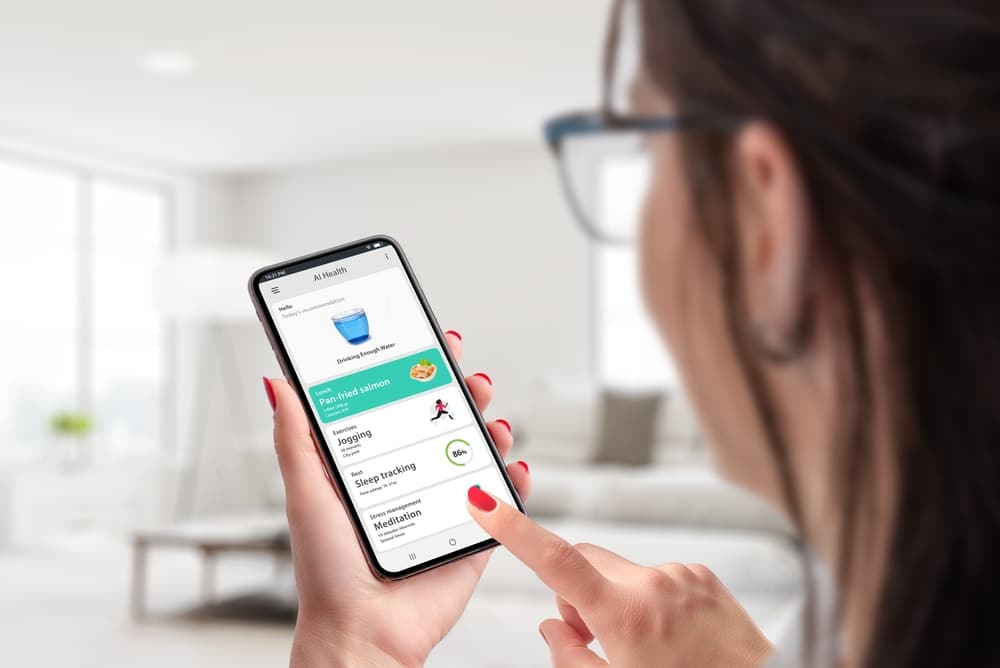
Some people already experience early warnings through their devices. A smartwatch may suggest extra rest after noticing signs of strain. A phone app might encourage hydration or stress reduction based on recent behavior. Predictive health technology is also being explored in workplace wellness programs and elder care, where early detection can prevent serious complications. These practical examples show that the concept is not futuristic hype but an evolving reality.
Limitations and realistic expectations
Despite its promise, predictive health technology is not perfect. It depends on data quality, consistent use, and accurate models. Missing data or unusual circumstances can lead to incorrect suggestions. Users must understand that these tools offer guidance, not guarantees. Clear communication about limitations helps prevent overreliance. As long as expectations remain realistic, the benefits can outweigh the drawbacks.
The future of personalized healthcare
Looking ahead, predictive health technology could become a standard part of daily life. Integration with medical records, improved sensors, and smarter algorithms may allow even earlier detection of health changes. This shift could move healthcare toward prevention rather than treatment. While challenges remain, the direction is clear. Technology is steadily learning to understand our bodies, one data point at a time.
The idea that your phone might know you are getting sick before you do can feel unsettling, but it also offers hope. Predictive health technology represents a move toward more proactive, personalized care that fits into everyday life. When used thoughtfully, it can encourage healthier habits, earlier action, and better communication with doctors. It is not about replacing human judgment, but enhancing it with timely insights. As this field continues to grow, the challenge will be to balance innovation, trust, and privacy while keeping the focus on what matters most, helping people live healthier lives.
Do you want to learn more future tech? Than you will find the category page here