For more than a decade, smart glasses have promised to change the way we interact with technology, yet most early attempts struggled to win over everyday users. Bulky designs, short battery life, and unclear benefits kept them from becoming mainstream. Today, however, the situation looks very different. Advances in artificial intelligence, lightweight materials, and miniaturized electronics have created new possibilities that simply did not exist before. As a result, many industry experts believe that 2026 smart glasses could represent the first generation that truly earns a permanent place in people’s daily lives.
Why the Timing Feels Different
Every successful consumer technology reaches the market when several pieces finally come together. Smartphones needed fast mobile internet, touchscreens, and app ecosystems before they exploded in popularity. Smartwatches became useful once health tracking improved and battery life became practical. Wearable glasses appear to be reaching a similar turning point. The 2026 smart glasses market is benefiting from better processors, more efficient batteries, advanced displays, and artificial intelligence that can genuinely help users instead of simply showing notifications. These improvements make the experience feel more natural than previous generations ever managed to deliver.
From Experimental Gadgets to Everyday Tools
The earliest smart glasses often felt like technology demonstrations instead of finished products. They attracted attention but rarely solved problems that people actually faced. Manufacturers have learned from those mistakes. Many 2026 smart glasses models now focus on practical features such as live language translation, hands-free navigation, quick photo capture, voice-controlled assistants, and real-time information without forcing users to constantly check their phones. By solving small daily inconveniences instead of chasing futuristic concepts, these devices have a much stronger chance of becoming useful companions rather than expensive novelties.
Artificial Intelligence Changes Everything
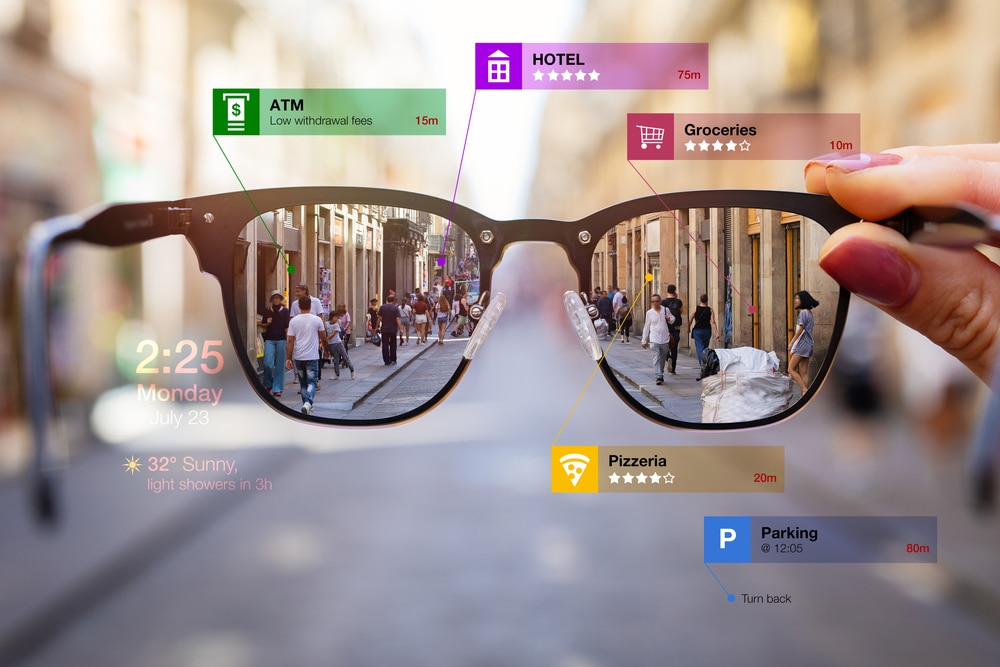
Artificial intelligence is perhaps the biggest reason why wearable glasses are receiving renewed attention. Instead of waiting for users to search for information manually, AI systems can recognize objects, answer questions, summarize conversations, and provide context almost instantly. The integration of AI makes 2026 smart glasses feel more like intelligent assistants than simple display devices. Looking at a restaurant could instantly reveal reviews. Reading a foreign menu could trigger an automatic translation. Walking through an unfamiliar city could provide subtle navigation cues without forcing someone to hold a smartphone in front of their face.
Design Finally Matters
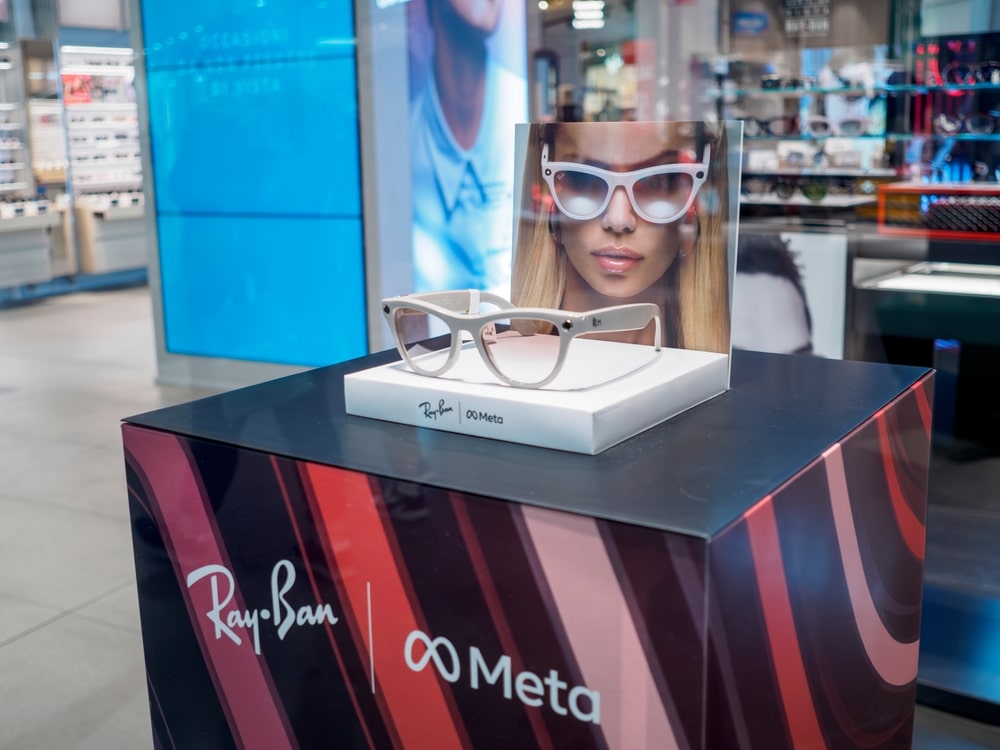
One of the biggest complaints about earlier wearable devices was their appearance. Many people simply did not want to wear technology that looked unusual or attracted unwanted attention. Manufacturers have clearly recognized this issue. Modern smart glasses increasingly resemble ordinary eyewear, making them easier to wear throughout the day. The latest designs prioritize comfort, lighter frames, and styles that fit different fashion preferences. The growing interest in 2026 smart glasses is driven not only by better technology but also by products that people actually feel comfortable wearing in public for extended periods.
Privacy Remains an Important Question
No discussion about smart glasses is complete without addressing privacy concerns. Built-in cameras and microphones naturally raise questions about recording people without permission. These debates are unlikely to disappear anytime soon. Companies are attempting to reduce concerns through visible recording indicators, clearer privacy settings, and software limitations. Even so, public acceptance will depend as much on social norms as technical safeguards. The conversation surrounding 2026 smart glasses is likely to involve not only innovation but also responsible use, transparency, and thoughtful regulations that protect both users and everyone around them.
A Growing Ecosystem of Apps
Hardware alone rarely guarantees success. Smartphones became indispensable because developers created millions of useful applications. Smart glasses will likely follow the same pattern. Developers see 2026 smart glasses as an opportunity to build software for fitness coaching, remote collaboration, education, tourism, accessibility, healthcare, and industrial maintenance. As more developers join the ecosystem, consumers gain additional reasons to invest in wearable devices. A healthy app marketplace often creates a cycle where better software attracts more users, encouraging even more innovation from both hardware manufacturers and software creators.
Business Is Leading the Way
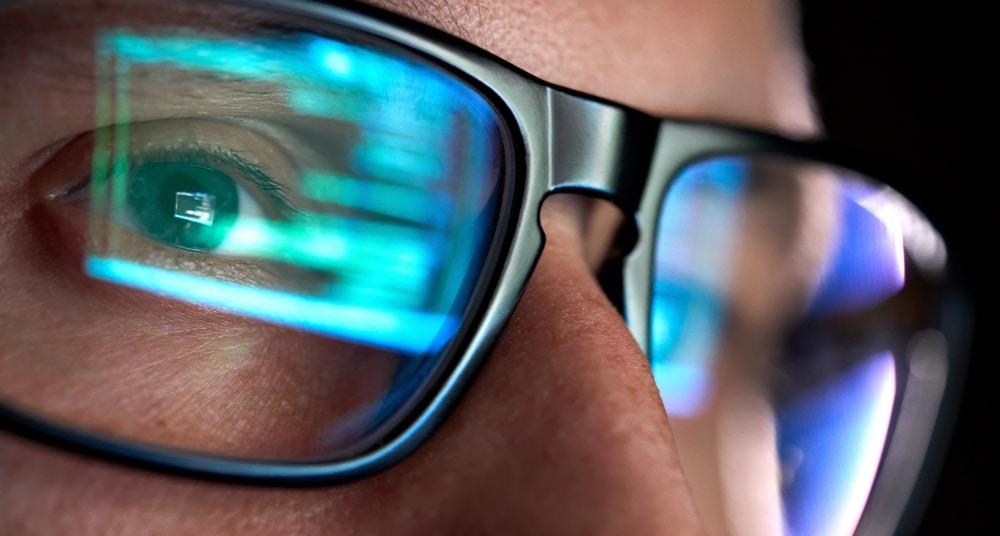
While consumers receive most of the media attention, businesses have quietly been adopting wearable technology for years. Warehouse workers use visual instructions to improve efficiency. Engineers receive hands-free maintenance guides while repairing complex machinery. Medical professionals can access patient information without looking away from procedures. These professional environments provide valuable real-world testing that helps manufacturers refine their products. Buyers considering 2026 smart glasses can benefit from years of improvements that originated in industrial and enterprise settings before gradually reaching consumer products.
Challenges Still Need Solving
Despite impressive progress, smart glasses are not perfect. Battery life remains limited compared to smartphones. Compact hardware still requires compromises in performance and display quality. Prices for premium models can also place them outside the budgets of many consumers. Comfort varies depending on frame design, and software ecosystems continue to mature. Whether 2026 smart glasses become a lasting success will depend on how effectively manufacturers continue addressing these practical limitations while keeping devices affordable, stylish, and genuinely useful in everyday situations rather than simply impressive during demonstrations.
Competition Is Accelerating Innovation
The renewed interest in wearable technology has encouraged major technology companies and smaller startups to invest heavily in research and development. Increased competition usually benefits consumers through faster innovation, lower prices, and broader feature sets. Companies are experimenting with waveguide displays, microLED technology, improved voice recognition, and more efficient chips. Each new generation builds upon lessons learned from previous attempts. This competitive environment also encourages partnerships between hardware manufacturers, software developers, and artificial intelligence providers, creating an ecosystem where progress happens much more quickly than it did during the first wave of smart glasses.
Consumers Expect Practical Value
Technology products rarely succeed because they are merely innovative. They become successful when they simplify everyday life in meaningful ways. Most buyers are less interested in futuristic marketing than in saving time, reducing distractions, and accessing information more naturally. Smart glasses that replace constant phone checking with subtle visual cues may appeal to people who want technology to stay in the background rather than dominate their attention. If manufacturers continue focusing on convenience instead of gimmicks, wearable glasses may finally achieve the widespread acceptance that earlier generations never quite managed to reach.
Looking Beyond the Hype
Every major technology trend experiences periods of excitement followed by disappointment before eventually finding its true role. Smart glasses appear to be entering that more mature phase. Instead of promising science fiction, companies are increasingly emphasizing realistic improvements that fit naturally into daily routines. Consumers have also become more comfortable with wearable technology after years of using smartwatches and wireless earbuds. That growing familiarity may remove one of the biggest psychological barriers that earlier smart glasses had to overcome, making adoption significantly easier than it was a decade ago.
The future of wearable technology remains impossible to predict with complete certainty, but the ingredients for success are stronger than they have ever been. Better hardware, smarter software, practical applications, improved designs, and growing consumer familiarity all point toward a more promising future. There will undoubtedly be challenges involving privacy, affordability, and battery life, yet the overall direction appears encouraging. If manufacturers continue solving real problems instead of chasing flashy concepts, 2026 smart glasses may finally become the breakthrough that earlier generations always promised but never fully delivered.
Do you want to learn more future tech? Than you will find the category page here