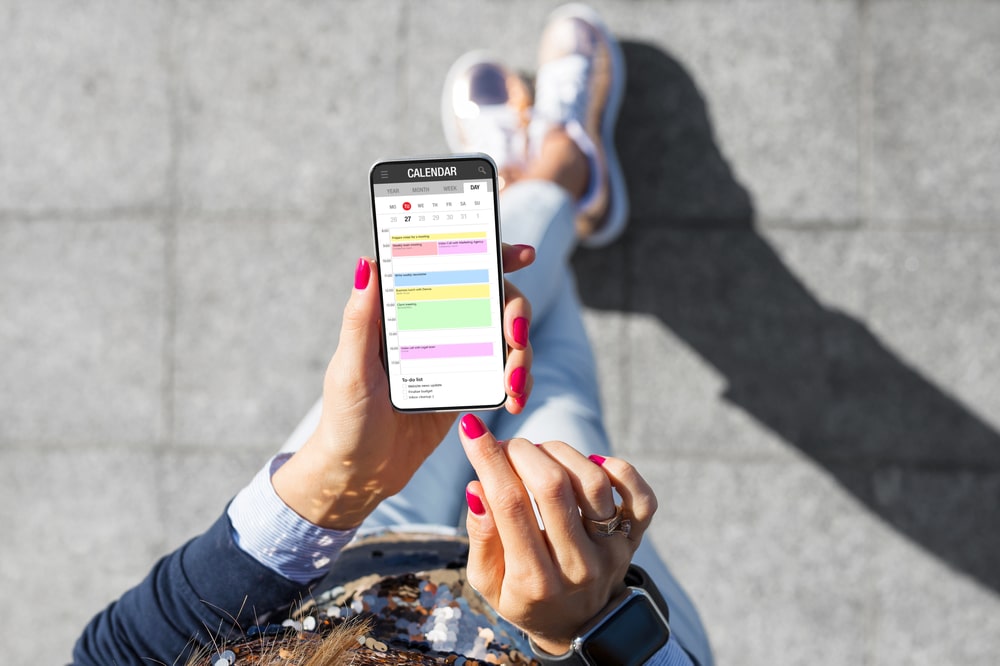
In the first days after downloading a new productivity app, everything feels possible. Your tasks look organized, your goals seem clearer, and your motivation is suddenly higher than it has been in weeks. Many people experience this initial boost, only to notice that something changes around the third week. Notifications start to feel annoying, dashboards feel cluttered, and daily check-ins become easy to skip.
This pattern is often described as productivity app burnout, a quiet but common reason why even the best tools lose their appeal. Understanding why this happens helps us rethink how we use technology to support real productivity instead of fighting it.
The promise and pressure of productivity tools
Productivity apps are designed to solve a problem that almost everyone has. We have too much to do and too little mental space to manage it all. These tools promise structure, clarity, and control. They turn messy to-do lists into neat systems and transform vague goals into measurable steps. At first, this feels empowering. The app becomes a personal assistant that never forgets.
The problem starts when the tool itself becomes another responsibility. Many apps encourage daily streaks, frequent reviews, and constant interaction. What was meant to reduce mental load slowly adds more decisions and more rules. This is often the first step toward productivity app burnout, when the system demands more energy than it gives back. Instead of freeing time, the app starts competing for attention with the work it was supposed to support.
Why motivation drops after the third week
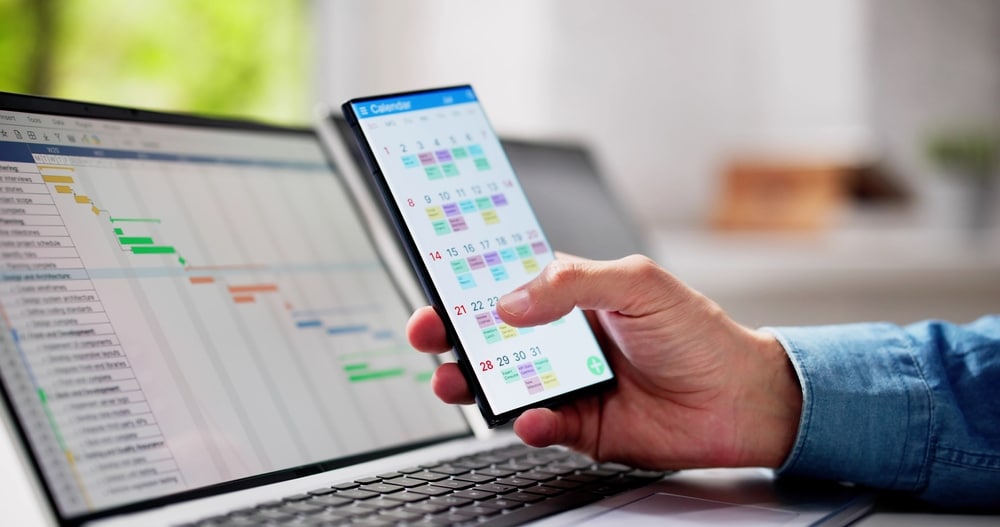
The third week is not random. Psychologists often point out that habits take time to stabilize, and the early excitement of something new usually fades within two to three weeks. During the first days, novelty carries us. By week three, novelty is gone and effort remains.
At this stage, people start noticing friction. Tasks need to be categorized. Projects need updates. Missed days need explanations. The app no longer feels magical; it feels like maintenance. When this effort is not balanced by clear benefits, productivity app burnout becomes more likely. Users begin skipping steps, then days, until the app quietly disappears from daily life.
The illusion of total control
Many productivity apps sell the idea that everything can be tracked, optimized, and improved. In theory, this sounds reasonable. In practice, life is messy. Energy levels change, priorities shift, and unexpected events happen. Apps that expect perfect consistency often clash with reality.
When users fall behind, the app reflects that failure back to them through overdue tasks or broken streaks. This creates guilt instead of motivation. Over time, that guilt builds into resistance. Productivity app burnout often comes from this emotional mismatch, where the tool demands a level of control that human behavior simply does not maintain.
Too many features, not enough focus
Modern productivity apps are powerful. They include task managers, calendars, habit trackers, goal systems, analytics, and sometimes social features. While this sounds useful, it can easily become overwhelming. Each feature adds another choice and another rule to remember.
For many users, the core need is simple: remember what matters and take action. When an app requires constant configuration, users spend more time managing the system than doing the work. This complexity contributes directly to productivity app burnout, as mental energy is drained by the tool instead of being protected by it.

The mismatch between digital systems and human behavior
Humans are not machines. We do not operate on perfect schedules or consistent motivation. Many productivity apps are built around ideal behavior: daily reviews, weekly planning sessions, and constant progress. These systems work well in theory but struggle in real life.
When users fail to meet the app’s expectations, they often blame themselves instead of the design. This leads to frustration and eventual abandonment. Productivity app burnout thrives in this gap between how people actually behave and how apps expect them to behave. A system that does not forgive inconsistency eventually pushes users away.
The role of notifications and constant reminders
Notifications are meant to help, but they can quickly become noise. In the beginning, reminders feel supportive. Over time, they interrupt focus and increase stress. Every buzz or alert is a small demand on attention.
When users start ignoring notifications, the app escalates with more reminders or warnings. This can feel intrusive. Productivity app burnout often includes a strong emotional reaction to notifications, where users associate the app with pressure rather than progress. Turning off alerts helps temporarily, but it also reduces engagement, making the app easier to forget.
When tracking replaces thinking
Tracking tasks and habits can be useful, but it can also become a substitute for reflection. Checking boxes feels productive, even when the tasks themselves are not meaningful. Over time, users may realize they are busy without moving closer to important goals.
This realization can be disappointing. When people see that weeks of tracking did not lead to real change, motivation drops. Productivity app burnout emerges when users feel that the system measures activity instead of impact. The app did its job, but the results do not feel worth the effort.

How identity-based motivation fades
Many productivity apps tap into identity. They encourage users to see themselves as organized, disciplined, or goal-driven. In the early stages, this identity feels exciting. Using the app becomes part of who you are.
If the habit breaks, that identity takes a hit. Missing a few days can feel like personal failure rather than a normal fluctuation. This emotional weight accelerates productivity app burnout, because reopening the app means confronting that broken identity. Avoidance becomes easier than re-engagement.
Designing for sustainability instead of intensity
One reason productivity tools fail after week three is that they are designed for intense engagement, not long-term use. Daily check-ins, streaks, and detailed systems work well for short bursts. Sustainable productivity often looks quieter and less structured.
Apps that allow flexibility, imperfection, and low-effort interaction tend to last longer. Reducing friction is key. Productivity app burnout is less likely when tools adapt to users instead of forcing users to adapt to tools. The goal should be support, not control.
What users can do differently
Users are not powerless in this cycle. One helpful approach is to use fewer features. Choosing one core function and ignoring the rest reduces mental load. Another strategy is to redefine success. Missing days does not mean failure; it means life happened.
It also helps to periodically question whether the app still serves a purpose. If it does not, letting it go is a reasonable decision. Productivity app burnout is often framed as a personal flaw, but it is usually a signal that the tool no longer fits current needs.
Rethinking productivity beyond apps
Productivity does not start or end with an app. It comes from clarity, energy, and realistic expectations. Tools can help, but they are not solutions on their own. Writing things down on paper, having honest conversations about priorities, and allowing rest are all part of productive living.
When apps are treated as optional supports rather than central systems, the risk of productivity app burnout decreases. Technology works best when it complements human behavior instead of trying to reshape it entirely.
Productivity apps often fail after week three not because people are lazy or undisciplined, but because the systems ask for more consistency than real life allows. The initial excitement fades, friction appears, and emotional pressure builds. This combination makes productivity app burnout almost inevitable for many users. The solution is not better discipline, but better design and healthier expectations. When productivity tools become simpler, more forgiving, and more human, they stand a better chance of lasting beyond the third week and actually improving how we work and live.
Do you want to learn more helpful tools to increase your digital productivity? Than you will find the category page here