The everything shower used to be a simple indulgence, a once-in-a-while reset button that made you feel a little fresher and a little more human. But as online culture does so well, it has since transformed into a hyper-produced ritual, complete with step-by-step routines, aesthetic rules, and a pressure to achieve peak glow. As the world scrolls deeper into internet self-care trends, the definition of self-care is shifting fast. What started as a soothing escape now resembles a competitive sport, and this new version of pampering says a lot about the way we live, watch, and imitate today.
How We Got Here: The Rise of internet self-care trends
The original everything shower was rooted in practicality: wash your hair, exfoliate, shave, moisturize, done. But once online creators began documenting their routines in cinematic detail, the concept grew into a spectacle. Viewers were handed a front-row seat to multi-product rituals with 20-step checklists and price tags that could rival a weekend getaway. As more people tried to recreate what they saw, one of the first major expansions of these rituals occurred: the idea that the more products and steps you used, the more “complete” your routine—and by extension, you—became. It wasn’t long before this thinking became tangled with broader internet self-care trends, which encouraged everyone to level up their personal grooming rituals for the sake of becoming a more optimized version of themselves.
The Everything Shower 2.0: Now With More Everything
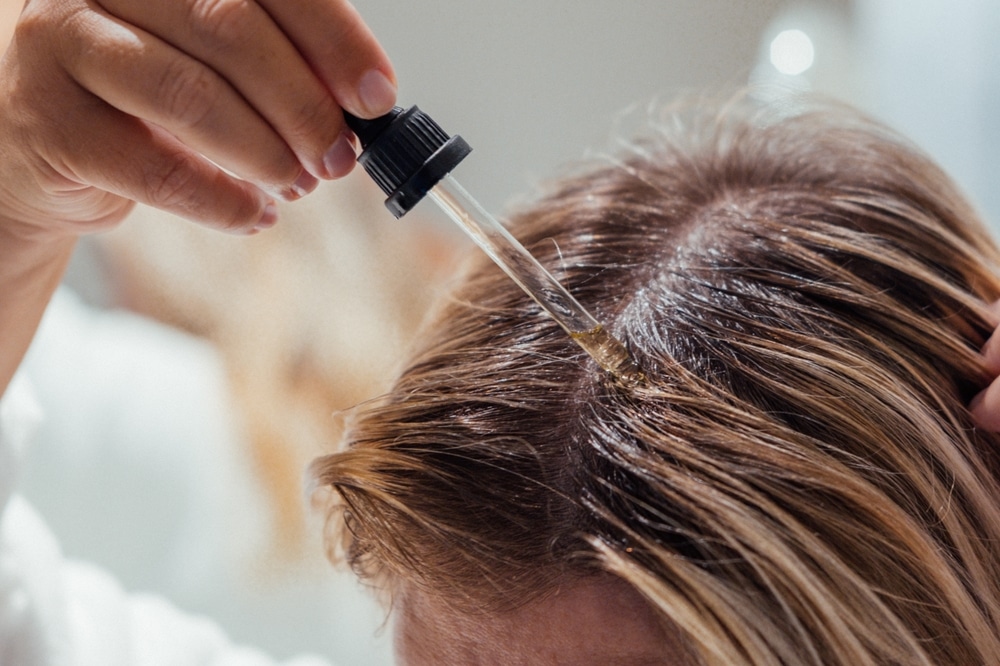
If version 1.0 was about cleansing and relaxing, the 2.0 wave is about transformation. Today’s everything shower involves hair masks, scalp oils, pre-shower treatments, in-shower treatments, post-shower treatments, and products whose purposes you may need a chemistry degree to decipher. And unlike earlier days, everything now must be layered in a specific order, with creators offering elaborate instructions to maximize benefits.
This upgrade mirrors the acceleration of internet self-care trends in general. Just as skincare routines ballooned from three steps to twelve, the everything shower evolved to meet the demand for novelty and performance. The more dramatic the before-and-after result, the more viral the ritual becomes. But beneath the extravagance lies the quiet suggestion that self-care is no longer something you do until you feel better; it’s something you perfect.
The Influence of Aesthetic Culture
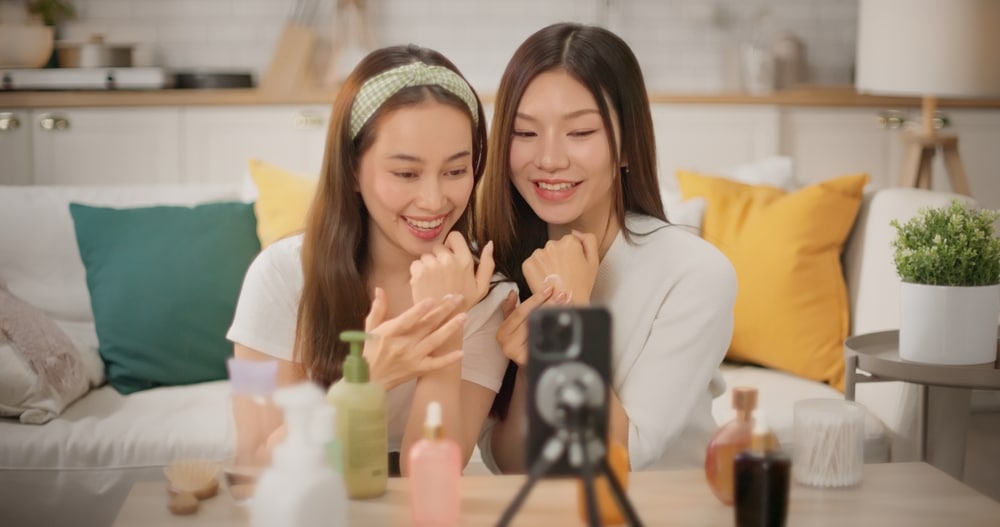
Social platforms have always shaped what we buy, wear, and desire, but their influence on self-care routines is particularly powerful. Videos of aesthetically pleasing bathrooms, color-coordinated products, and steam-filled mood lighting create the illusion that luxury is accessible with enough planning. These curated scenes invite viewers to believe they too can achieve this polished calm—but only if they follow the right steps.
This visual storytelling is tied closely to internet self-care trends, which reward creators who make their rituals look effortless and aspirational. The trouble arises when the lifestyle presented is neither effortless nor attainable. Many viewers try to recreate the mood without considering the time, cost, or emotional labor required. The result is a self-care standard that feels more like a performance than a practice.
The Psychology Behind the Overload
Why do so many people latch onto routines that keep growing more complex? Part of the answer lies in the comfort of structure. When the world feels unpredictable, rituals offer a sense of control. The everything shower checks all the boxes: it’s repetitive, sensory, and promises a visible reward.
But as internet self-care trends intensify, the routines start to morph into expectations. People begin comparing their habits to those they see online. Suddenly, a five-minute shower feels inadequate. A single shampoo seems careless. And skipping an exfoliation day? Practically rebellion. This shift nudges self-care away from wellbeing and toward achievement, inviting the perfectionism people were often trying to escape in the first place.
The Cost of the Glow
With every new viral video comes another list of recommended products: serums, oils, scrubs, brushes, masks, gels, and tools designed to do things you never realized your skin or hair needed. The beauty industry has always experienced waves of enthusiasm, but the speed at which products go viral today is unprecedented.
This phenomenon is fuelled heavily by internet self-care trends, which create demand long before science or dermatology can keep up. Many viewers discover new “essentials” within hours of their release. But with price tags climbing and consumption accelerating, the line between self-care and overspending blurs. The pursuit of glowing skin or shinier hair can quickly become financially draining, especially when trends shift before you even finish using the last bottle.
Time, Energy, and the Ritual of Doing Too Much
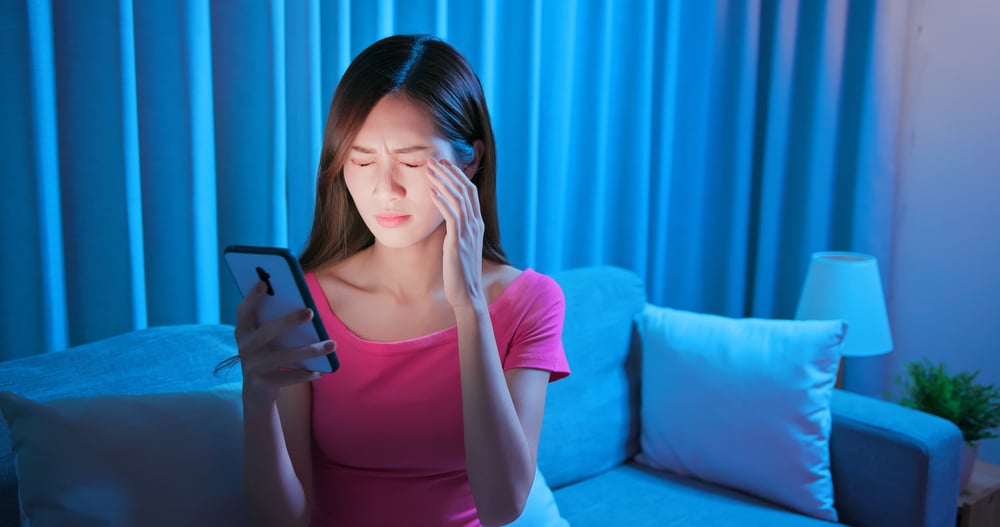
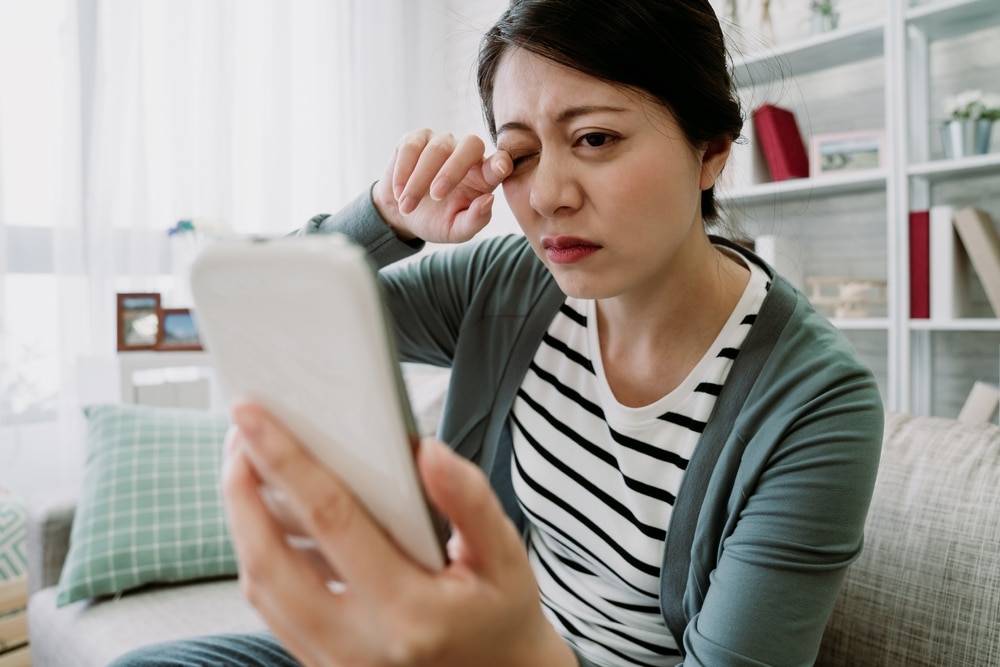
The everything shower 2.0 doesn’t only cost money; it requires serious time. What once took ten minutes can now stretch into an hour or more, making it difficult for people to maintain these routines consistently. And when someone fails to keep up, many report feeling guilt or frustration, as though their inability to devote time to a lavish ritual reflects personal failure.
This emotional tug-of-war represents another side effect of internet self-care trends. Instead of making people feel grounded, some rituals create a cycle of pressure and dissatisfaction. The goal shifts from feeling refreshed to staying on trend. And while there’s nothing wrong with indulging in a long shower occasionally, it becomes harmful when it turns into a benchmark for self-worth.
Why the Everything Shower Still Feels Good
Despite the overload, there’s a reason the everything shower remains popular: it works. It taps into the sensory pleasures that help people decompress—warm water, soothing scents, rhythmic movements. These sensory anchors make self-care tangible in a way that meditation apps and wellness checklists often don’t.
And even within the wave of internet self-care trends, there’s a genuine desire for people to reconnect with their bodies, to slow down, to be present. When done with intention instead of pressure, the everything shower can be a powerful grounding tool. It’s the impulse to optimize and perform that muddies the water.
The Shift Toward Simplicity
Interestingly, the backlash to overload has already begun. A growing number of creators are promoting minimalism—not as an aesthetic, but as a mindset. They encourage followers to pare down their routines, choose products thoughtfully, and embrace efficiency. This counter-movement repositions self-care as something personal rather than performative.
The trend resonates because many are exhausted by the demands of internet self-care trends. People crave rituals that fit into their lives without consuming them. Simplicity is not only more manageable; it’s more sustainable. And for many, it’s a relief to discover that caring for yourself doesn’t require becoming a part-time beauty chemist.
The Social Comparison Trap
Comparison is an unavoidable part of social media, and self-care is no exception. Viewers watch people with perfect bathrooms, perfect lighting, and seemingly perfect routines, then wonder why their own version feels less magical. This persistent sense of falling short can harm mental wellbeing.
At the heart of this struggle is the influence of internet self-care trends, which often prioritize aesthetics over authenticity. What viewers don’t see is the prep work behind the camera, the editing, the discarded takes, or the sponsorships that make such lavish routines possible. Without this context, it’s easy to mistake content for reality.
Companies Capitalizing on the Ritual
Brands have quickly recognized the commercial power of the everything shower. They now market bundles, limited-edition scents, themed products, and accessories designed specifically for these rituals. It’s no coincidence that the surge in product launches mirrors the rising popularity of internet self-care trends. The more elaborate the routine becomes, the more opportunities companies find to sell “necessities.”
While some products truly enhance the experience, others simply exist to capitalize on the hype. This doesn’t diminish the joy of the ritual, but it does raise questions about how much of the self-care boom is organic—and how much is engineered.
The Everything Shower as a Cultural Mirror
Ultimately, the everything shower phenomenon says more about society than it does about hygiene. It reflects our desire for control, our hunger for improvement, and our vulnerability to comparison. It reveals the ways we use rituals to cope with stress and how quickly those rituals can spiral into obligation.
Within the broader landscape of internet self-care trends, the everything shower embodies the tension between indulgence and excess. It’s comforting, but also demanding. Personal, but also public. Relaxing, but strangely competitive. And this tension helps explain why the shower keeps evolving—it’s not just about getting clean, but about finding identity in a world of endless content.
What a Healthier Self-Care Future Could Look Like
If the future of self-care is going to feel more balanced, it may require a shift in mindset: one that treats rituals as tools, not standards. People are increasingly drawn to routines that are flexible, accessible, and genuine. And there’s growing respect for the idea that self-care doesn’t need to be cinematic to be meaningful.
This shift responds to fatigue created by internet self-care trends, but it also embraces the parts of them that genuinely help people slow down and feel good. The goal is not to reject the everything shower entirely—it’s to reclaim it from the pressures that have accumulated around it. Self-care, at its core, should feel like relief, not obligation.
The everything shower’s evolution into a carefully choreographed production reflects the digital era’s ability to turn even the simplest rituals into spectacles. Yet beneath the layers of oil, steam, and exfoliation lies the same universal desire: to feel refreshed, centered, and human again. As people navigate the growing weight of internet self-care trends, the challenge is learning to separate what actually feels good from what looks good online. When self-care becomes less about impressing others and more about reconnecting with ourselves, the everything shower—no matter how long or short—can finally return to what it was meant to be all along.
Do you want to learn more viral trends to improve your daily live? Than you will find the category page here