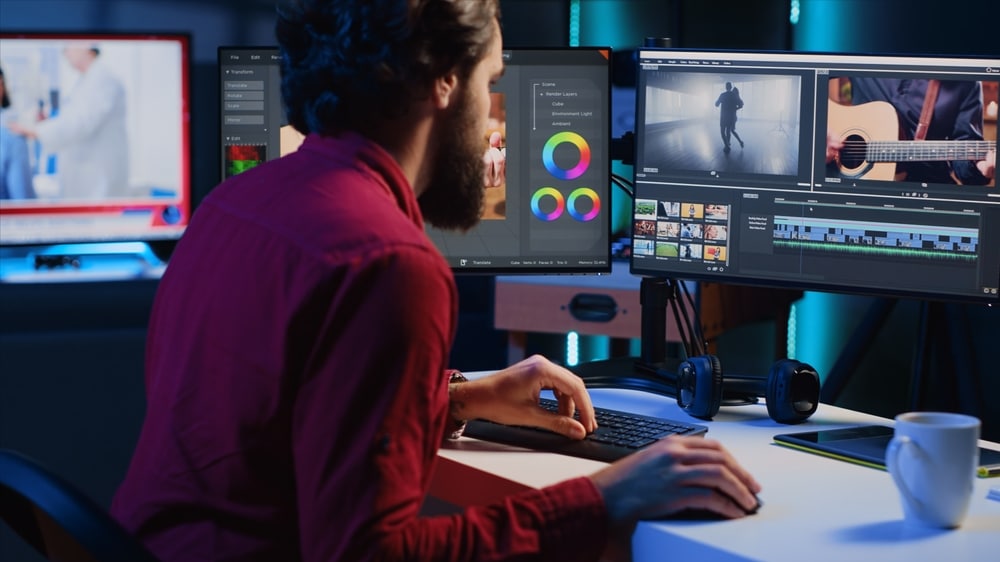
Scroll through TikTok, Instagram Reels, or YouTube Shorts and you will quickly notice a new editing pattern that feels fast, punchy, and slightly chaotic in the best way. One of the biggest drivers behind this visual style is flash frame edits. These ultra quick frames appear for a fraction of a second between shots, often showing unexpected images, textures, or motion bursts. The result is a rhythmic visual language that keeps viewers engaged and curious. As short form video continues to dominate online platforms, flash frame edits have quietly become one of the most recognizable storytelling tools in modern digital media.
What Are flash frame edits
At their core, flash frame edits are extremely short visual inserts that appear between normal clips. They typically last one or two frames and are often barely noticeable at first glance. Despite their short duration, they can dramatically change the energy of a video.
Creators use flash frame edits to create rhythm, surprise, and visual intensity. The inserted frames might include abstract imagery, close up textures, quick reaction shots, light leaks, film burns, or even hidden messages. Because the frames appear so quickly, the brain registers them more as a feeling than a clearly processed image.
This technique originally came from film editing, where editors occasionally inserted single frames to create transitions or visual tension. In the digital era, flash frame edits evolved into a stylistic choice rather than just a technical trick. Social media editors discovered that these quick flashes make videos feel more dynamic and cinematic, even when the footage itself is simple.
Another reason they work so well is that they interrupt the visual rhythm in a subtle way. The viewer may not consciously see each inserted frame, but their brain reacts to the sudden change in motion or color.
The Psychology Behind Quick Visual Interruptions
Human attention is naturally drawn to change. Our brains evolved to quickly notice movement, flashes of light, and unexpected visual shifts in our environment. Video editors have learned to take advantage of this instinct.
When flash frame edits appear inside a sequence, they create micro interruptions that reset the viewer’s attention. Instead of watching a predictable stream of images, the brain is constantly being stimulated by tiny bursts of new information.
This is especially powerful in short form video, where competition for attention is intense. If a viewer becomes bored for even a moment, they can swipe away instantly. Editors who incorporate flash frame edits can maintain a higher level of visual stimulation throughout the clip.
There is also a psychological effect related to curiosity. When an image appears too quickly to fully process, the brain often becomes more engaged as it tries to fill in the gaps. This phenomenon helps explain why fast cut editing styles often feel more exciting than slower traditional cuts.
From Music Videos to Social Media
Although the technique feels modern, its roots go back decades. Music video directors in the 1990s and early 2000s experimented heavily with fast cutting styles, quick flashes, and aggressive visual rhythms.
Artists like Nine Inch Nails, The Prodigy, and Kanye West worked with directors who pushed editing techniques to create a visceral experience. Many of these videos included early versions of flash frame edits to enhance beats and transitions. As editing software became more accessible, the technique spread beyond professional studios. Programs like Adobe Premiere Pro, Final Cut Pro, and later mobile editing apps made it easy for independent creators to experiment with fast cutting styles.
Today the influence of those early music videos can still be seen across social media platforms. Fast paced edits, rhythmic visual beats, and sudden flashes have become a defining aesthetic for many viral clips.
Platforms like TikTok have accelerated the trend even further. Because videos are short and loop continuously, editors aim to pack as much visual energy as possible into a small time window.
How Creators Use Them Today
Modern content creators use flash frame edits in a variety of creative ways. Sometimes the inserted frames match the beat of the music, acting almost like a visual drum hit. Other times they are used as transitions between scenes.
One common approach is to place flash frame edits between major cuts in the video. The quick flash hides the transition and makes the edit feel smoother and more stylized at the same time.
Another popular technique involves adding visual textures such as film grain, light bursts, glitch frames, or color streaks. These flashes can give even simple footage a cinematic edge.
Influencers and vloggers also use flash frame edits to emphasize reactions or emotional moments. A quick frame of exaggerated motion, a bright color burst, or a zoomed facial expression can amplify the humor or drama of a scene.
Brands have started adopting the style as well. Advertisements aimed at younger audiences increasingly rely on fast paced editing patterns that mimic the rhythm of social media content.
Editing Techniques Behind the Trend
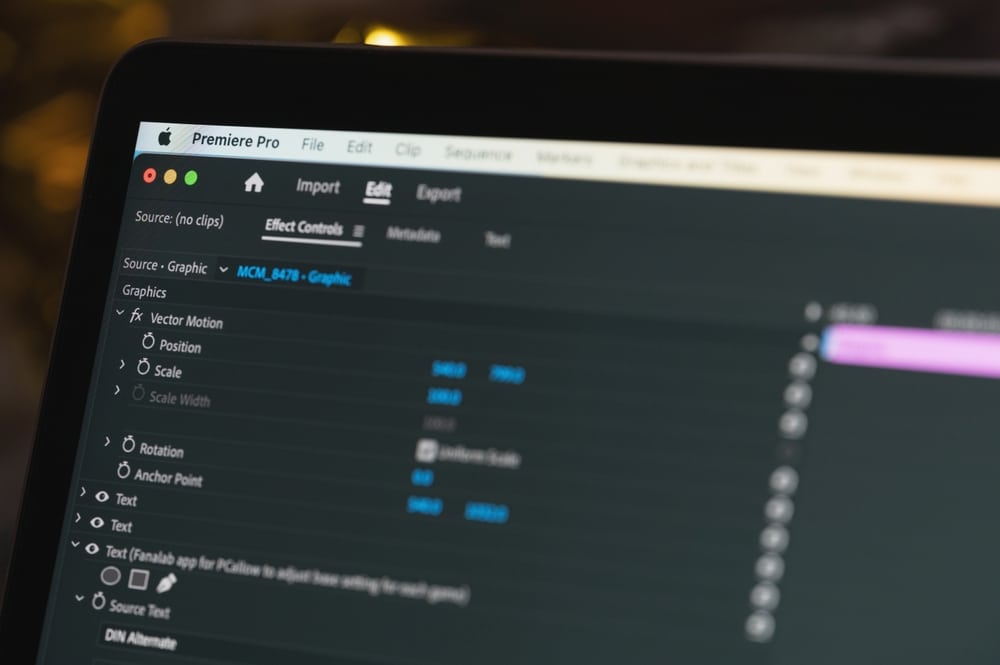
Creating effective flash frame edits requires more than simply inserting random frames into a timeline. Good editors think carefully about rhythm, pacing, and visual contrast.
One key factor is timing. A flash frame that appears on a strong beat in the music can feel incredibly satisfying. If the timing is slightly off, however, the effect may feel distracting rather than exciting.
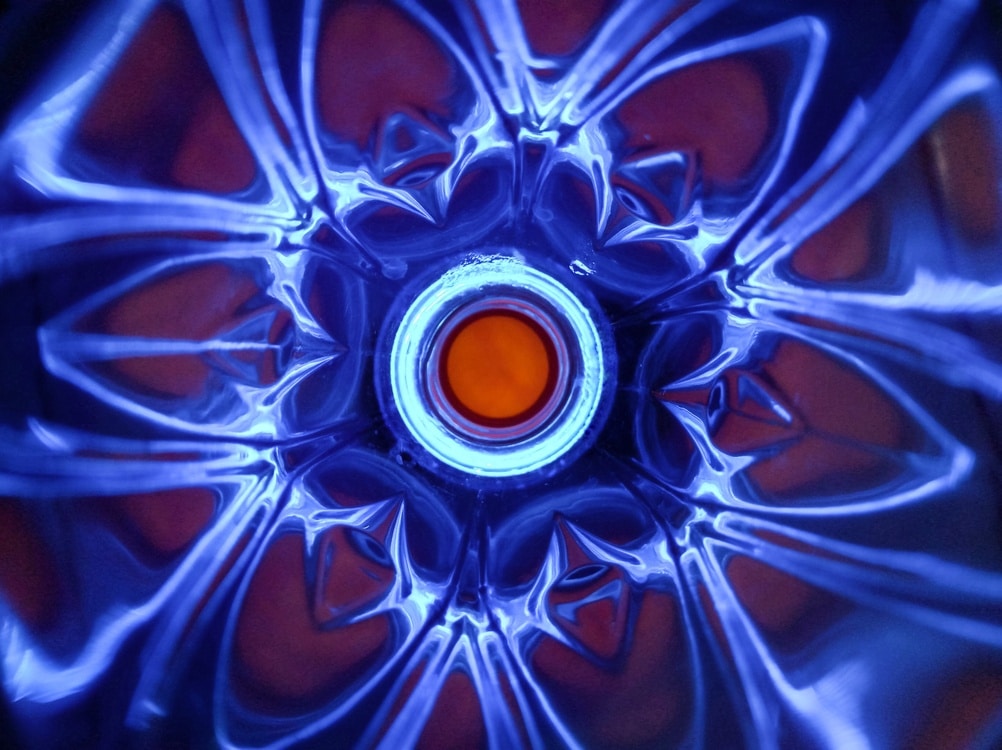
Editors also experiment with color contrast. For example, if a video mostly contains neutral tones, inserting a bright red or neon colored frame can create a striking moment of visual impact.
Another important technique is layering. Some flash frame edits include multiple visual elements such as grain overlays, quick zoom effects, and motion blur stacked together in a single frame. Even though the viewer sees it for only a fraction of a second, the brain registers the complexity.
There is also an element of restraint. When used too frequently, flash frame edits can overwhelm the viewer and make the video difficult to follow. Skilled editors carefully balance intensity with clarity.
Why This Style Fits Modern Attention Spans
Digital audiences today consume an enormous amount of visual content every day. With endless scrolling feeds and constant algorithm driven recommendations, videos must capture attention quickly.
This environment naturally favors editing styles that feel energetic and unpredictable. Flash frame edits help achieve that effect without requiring expensive production or elaborate visual effects.
They also fit perfectly with the rhythm of modern music and internet culture. Many trending sounds and songs used in social media videos have strong beats and rapid tempo changes. Quick flashes align well with these musical patterns.
Another factor is the influence of gaming, memes, and internet humor. Online culture often celebrates chaotic, rapid fire visual jokes and unexpected imagery. Flash frame edits allow creators to inject that same energy into their videos. Because the frames appear so quickly, they can even include subtle Easter eggs or hidden images that dedicated viewers might notice on repeated watches. This encourages replayability, which is valuable for platform algorithms.
Visual storytelling on the internet is evolving faster than ever, and small editing choices can have a surprisingly large impact. What started as an experimental film technique has now become a defining element of modern digital aesthetics. Flash frame edits give creators a way to inject energy, rhythm, and personality into their videos without complex effects or massive budgets. As platforms continue to reward engaging, high energy content, this editing style will likely remain a core part of viral video culture. For anyone interested in creating more dynamic content, learning how flash frame edits work is an excellent place to start.
Do you want to learn more viral trends to improve your daily live? Than you will find the category page here