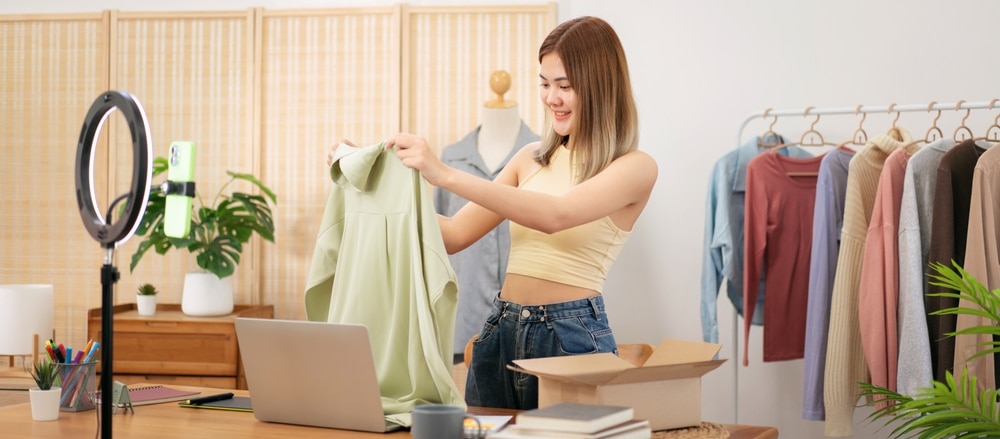
Some fashion moments arrive like fireworks. They explode across your screen, flood your feed, and suddenly make you feel as if everyone on Earth owns the same shoes, the same sunglasses, or the same oddly specific jacket. Then, just as quickly, they disappear. That is the strange power of ephemeral style waves. They can feel huge while they are happening, even when their actual lifespan is tiny. One week, a look seems essential. A month later, it feels old news. Understanding why that happens can save you money, sharpen your personal taste, and make fashion far more fun instead of weirdly stressful.
Why ephemeral style waves feel bigger than they are
The reason ephemeral style waves seem so powerful is not always because millions of people truly love them. Often, it is because digital platforms concentrate attention at high speed. A look can be repeated by creators, brands, celebrities, and shoppers so quickly that it creates the illusion of total dominance. In reality, many trend cycles now move through recognizable stages such as introduction, rise, peak, decline, and obsolescence much faster than before, especially when social media compresses the timeline. Researchers and industry analysts alike point to social platforms as a major force behind faster adoption and faster abandonment.
Fashion has always changed, of course. The idea of a style cycle is older than TikTok, older than Instagram, and far older than online shopping. Trend forecasting has existed for centuries, and newer research from Northwestern University suggests that fashion often shows a rough 20 year rhythm, with styles falling out of favor and then reappearing later in altered form. What has changed is the tempo. Instead of one dominant look hanging around for years, today many looks burn bright and vanish fast, leaving people to wonder whether they ever truly mattered at all.
The machinery behind ephemeral style waves
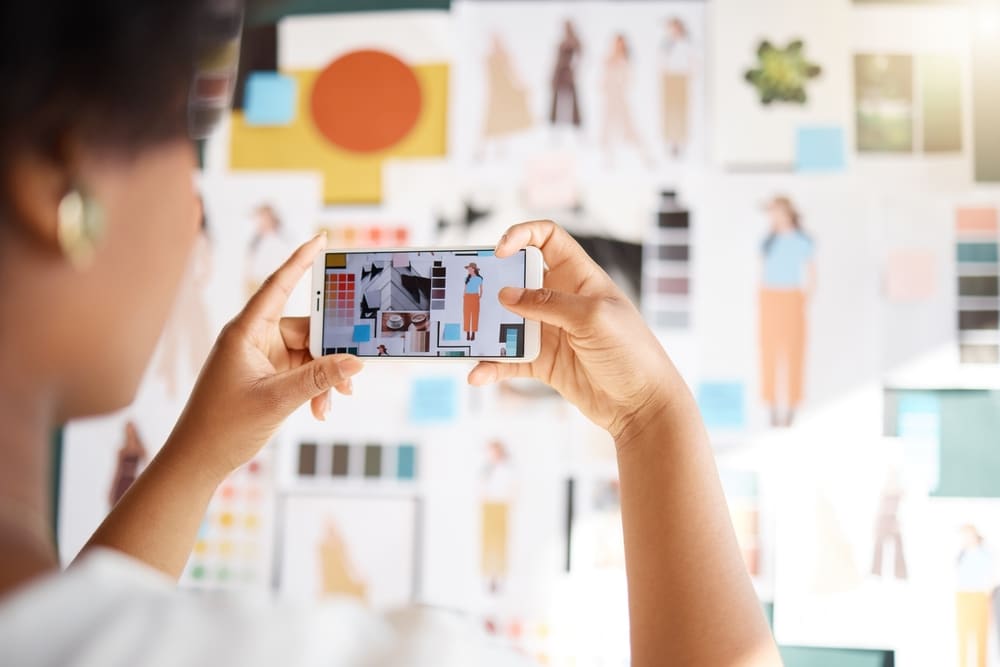
Behind ephemeral style waves sits a very modern machine: algorithms, ultra fast production, and endless visual repetition. Platforms reward novelty because novelty gets clicks. Brands respond by making product development quicker. Retailers watch what is gaining traction online and rush out versions at different price points. Forecasting companies now track visual data from social platforms because online behavior has become one of the clearest signals of what consumers will notice next.
This speed creates a strange emotional loop. A trend appears, gets labeled, and starts to feel like a cultural event. Once too many people copy it, the same visibility that made it exciting begins to make it feel ordinary. That is part of why short lived crazes often collapse under their own success. The Northwestern research on fashion cycles describes a tension between novelty and conformity, which helps explain why people rush toward a look and then lose interest once it becomes too common.
There is also a business reason these crazes keep coming. The fashion industry is dealing with slower growth, price sensitive consumers, and constant shifts in behavior, so brands have strong incentives to capture attention quickly and convert it into purchases before that attention moves on. McKinsey’s recent fashion reporting also notes a gap between what shoppers say about avoiding fast fashion and what many still buy, which shows how difficult it is to resist a constant stream of fresh temptations.
Social media and ephemeral style waves
Social media does not just spread trends. It edits our sense of scale. When you see the same look ten times before lunch, your brain starts treating it as normal, important, and urgent. That is one reason ephemeral style waves can feel unavoidable. The feed removes a lot of context. You may be seeing a tiny niche repeated by recommendation systems, but it can look like a universal movement. Academic reviews of social media use in fashion show how online data, visual culture, and user behavior now shape product decisions, branding, and trend analysis across the industry.
Creators also play a special role here. They are not simply mannequins for clothes. They are storytellers. A cardigan is not just a cardigan once it gets renamed, styled into a lifestyle, and linked to a mood or identity. Suddenly, buying an item feels like joining a little club. That emotional packaging is incredibly effective, but it can also make trends fragile. If the story gets tired, mocked, or replaced by a shinier story, the look can deflate almost overnight.
Another twist is that the internet encourages fragmentation. Instead of one massive trend for everyone, there are many smaller aesthetics bubbling up at once. That can be fun because it broadens self expression, but it also means some trends are born with an expiration date built in. They are designed for attention, not durability. Fast circulation gives them energy. Fast saturation takes it away.
What ephemeral style waves do to our closets
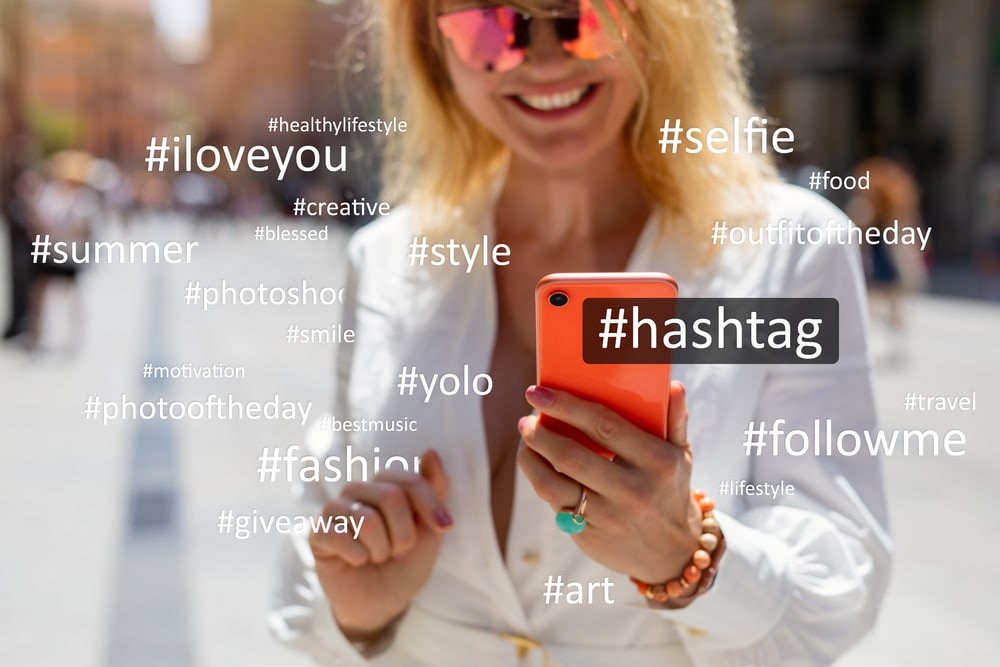
The closet is where all this gets real. On a screen, a tiny craze is entertainment. In a bedroom, it is a pile of purchases that suddenly make less sense than they did three weeks ago. That is the hidden cost of ephemeral style waves. They encourage shoppers to treat clothing as disposable mood props rather than long term companions. Industry analysis and sustainability research both point to the tension between fast digital trend cycles and more responsible consumption habits.
This does not mean every trendy item is a mistake. Sometimes a playful purchase is worth it because it gives you joy, helps you experiment, or refreshes how you see yourself. Fashion should not feel like a lecture from a strict accountant. The problem starts when shopping becomes a panic response to visibility. You are not buying the item because it suits you. You are buying relief from the fear of being out of sync. That is how wardrobes get crowded with things that looked amazing in one very specific camera angle and oddly confusing everywhere else.
There is also a personal style cost. When every week brings a new aesthetic label, it becomes easy to outsource your taste. Instead of asking, “Do I like this?” you start asking, “Am I supposed to like this right now?” That switch matters. The first question builds identity. The second builds dependency. Ironically, the faster trends move, the more valuable a steady sense of self becomes. People with clear personal style can borrow from the moment without getting swallowed by it.
Why some short lived trends still teach us something useful
Even the silliest little craze can reveal something about the culture that produced it. A burst of hyper feminine styling may reflect nostalgia or escapism. A wave of practical basics may signal fatigue, economic caution, or a desire for ease. Recent fashion reporting shows consumers becoming more price conscious, while current style coverage also points to recurring swings between polished minimalism and expressive, chaotic dressing. That push and pull is not random. Fashion often acts like a mood ring for society.
This is why trend watching can still be interesting even when trend chasing is exhausting. You do not have to obey every new look to learn from it. You can study what colors are rising, what silhouettes keep returning, or what emotional fantasy a craze is selling. Then you can decide whether any part of that actually belongs in your life. Seen that way, trends become information, not instructions.
That approach also helps explain why fashion repeats without becoming identical. The recent Northwestern findings support a long cycle of return, but comebacks are rarely exact copies. A shape, hemline, or mood may reappear, yet it gets filtered through current technology, pricing, media habits, and social attitudes. So the old returns, but it comes back wearing new shoes and talking faster.
How to survive ephemeral style waves without becoming boring
The best defense against short term fashion panic is not refusing trends altogether. It is learning how to translate them. If a color is everywhere, try it in a scarf instead of a full wardrobe overhaul. If a silhouette is gaining momentum, test it with one secondhand piece. If an aesthetic excites you, identify the deeper reason. Maybe you do not need the whole costume. Maybe you just like the looseness, the shine, the humor, or the nostalgia. This is how you take energy from ephemeral style waves without letting them raid your bank account.
A practical trick is to separate inspiration from investment. Some things are worth buying because they work across years, seasons, and moods. Others are better enjoyed as images, styling ideas, or cheap experiments. The more expensive the item, the more honest you should be. Would you still want it if nobody online mentioned it next week? If the answer is no, that is useful information.
It also helps to keep a mental record of your repeats. Which pieces do you actually reach for when you are tired, late, happy, social, or unsure? Those are the items that reveal your real taste. Trends can decorate that taste, but they should not replace it. Fashion becomes much less stressful once you realize you do not need to win the internet’s attention contest to be well dressed. You just need clothes that make sense on your body, in your life, and in your budget.
In the end, ephemeral style waves are not evil. They are simply fast, flashy, and very good at pretending to be permanent. They entertain us, tempt us, and sometimes inspire genuinely creative dressing. But they are terrible bosses. Treat them as passing visitors instead. Notice them. Borrow from them. Laugh at them a little. Then return to the slower, more satisfying work of building a wardrobe that feels like you. That is the real victory over ephemeral style waves, and it lasts much longer than the average viral skirt, shoe, or mysteriously famous bag charm.
Do you want to learn more viral trends to improve your daily live? Than you will find the category page here