
Can a smartwatch read your mind? It’s a question that sounds like science fiction, yet modern wearables are edging closer to interpreting not just what we do but how we feel. As companies race to build devices that sense more than steps or sleep, many are experimenting with emotion tracking technology. This shift hints at a future where our wrists become windows into our inner states, helping us understand ourselves with surprising accuracy. But how close are we really to mind-reading wearables, and what obstacles still stand in the way?
The Rise of emotion tracking technology in Wearables
In recent years, developers have pushed sensors far beyond fitness data, aiming to capture signals linked to stress, excitement, and focus. This expansion relies on emotion tracking technology that analyzes patterns in heart rate variability, skin conductance, and even micro-movements.
Although none of these measurements reveal specific thoughts, they do highlight shifts in emotional arousal. That’s where emotion tracking technology shows promise: by combining multiple biometric signals, it identifies subtle changes that humans often overlook.
How Smartwatches Decode Your Signals
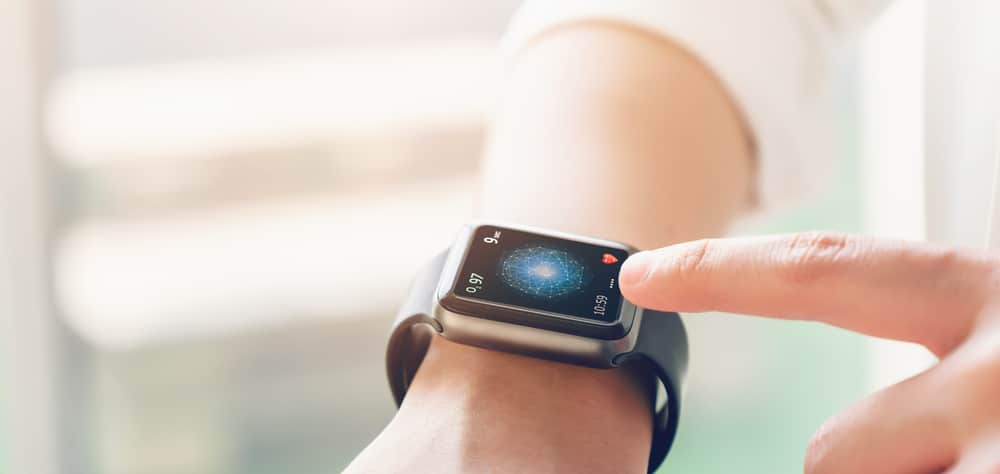
To understand how close we are to emotional interpretation, it’s helpful to look at how smartwatches process data. Today’s devices use machine learning models trained on large datasets of physiological responses. Emotion tracking technology converts these inputs into patterns, classifying them as calm, tense, or energized.
The more data a user generates over time, the better the system becomes at predicting emotional states. This personal baseline is essential because physiology varies dramatically from person to person, making emotion tracking technology far more complex than typical health metrics.
What Current Wearables Can Actually Detect
Right now, consumer devices can’t read complex feelings like envy or inspiration, but they can detect stress levels with surprising accuracy. Many rely on optical sensors and electrical measurements that feed directly into emotion tracking technology, helping users recognize when they’re drifting into mental fatigue.
Some head-mounted devices and experimental wristbands go further, measuring brainwave activity alongside traditional sensors. By integrating these diverse inputs, emotion tracking technology maps a broader spectrum of emotional arousal.
The Science Behind the Signals
Under the hood, the key to identifying emotional clues lies in correlations. Researchers have discovered that certain physiological patterns consistently accompany specific emotional intensities. When processed with emotion tracking technology, these correlations help algorithms estimate the user’s mood with increasing precision.
Although this process sounds straightforward, external factors often muddy the data. A fast heartbeat could signal excitement, fear, or simply a brisk walk. This is why emotion tracking technology relies heavily on contextual data like movement, temperature, and user history.

Privacy Concerns and Ethical Questions
As wearables become more perceptive, privacy conversations grow louder. The idea that a device might infer your emotional state feels both useful and unsettling. Companies developing emotion tracking technology face pressure to clarify how emotional data is stored and who can access it.
Ethicists warn that emotional insights could be misused for targeted advertising or manipulative design. When emotion tracking technology becomes mainstream, users will need transparent controls to manage their data safely.
Practical Uses and Future Possibilities
In many ways, the future looks promising. Therapists see potential in wearables that alert users to escalating anxiety before symptoms become overwhelming. Tools powered by emotion tracking technology could help people build healthier routines by recognizing early signs of burnout or distraction.
Gamers, athletes, and musicians may benefit as well. Performance-oriented devices could adjust feedback in real time, responding to stress or focus levels detected through emotion tracking technology, enhancing training and immersion.
As we look ahead, it’s clear that smartwatches won’t read our deepest thoughts anytime soon, but they are becoming more attuned to the rhythms that shape our feelings. Emotion tracking technology will continue to evolve, offering new tools for self-awareness while raising important questions about privacy and consent. The key will be striking a balance between insight and intrusion. If developers can earn user trust and maintain transparency, the next wave of wearables could become powerful allies in our quest to understand how we feel, why we react, and how to live more intentionally.
Do you want to learn more future tech? Than you will find the category page here