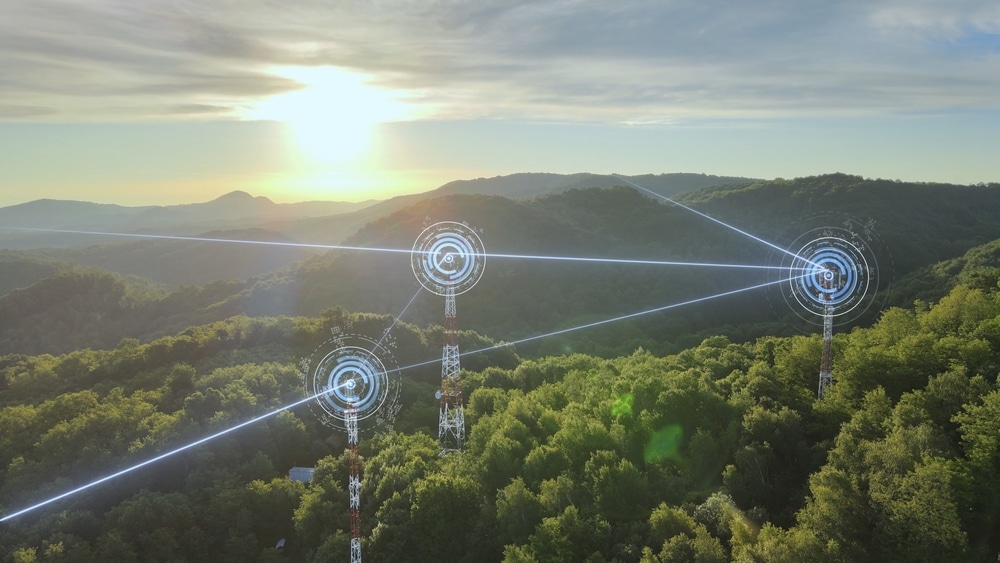
The world we live in today is deeply influenced by the digital environment. From the moment we wake up and check our phones to the last video we stream before bed, our thoughts, habits, and decisions are shaped by screens, platforms, and constant connectivity. This shift did not happen overnight, but it has changed how we think, how we work, and how we relax. Technology is no longer just a tool we use occasionally. It surrounds us, guides us, and sometimes even distracts us. Understanding how this transformation works helps us make smarter choices in our daily lives.
Understanding the digital environment
The digital environment refers to the online spaces, platforms, devices, and networks that connect people and information across the globe. It includes social media, search engines, messaging apps, streaming services, online games, and cloud based work tools. The digital environment is not limited to computers anymore. It lives in our smartphones, smartwatches, cars, and even household appliances.
Because the digital environment is always available, it changes our expectations. We expect fast answers, instant replies, and continuous updates. In the past, finding information meant visiting a library or asking an expert. Today, most answers are just a few clicks away. This constant access reshapes how we value time, patience, and effort.
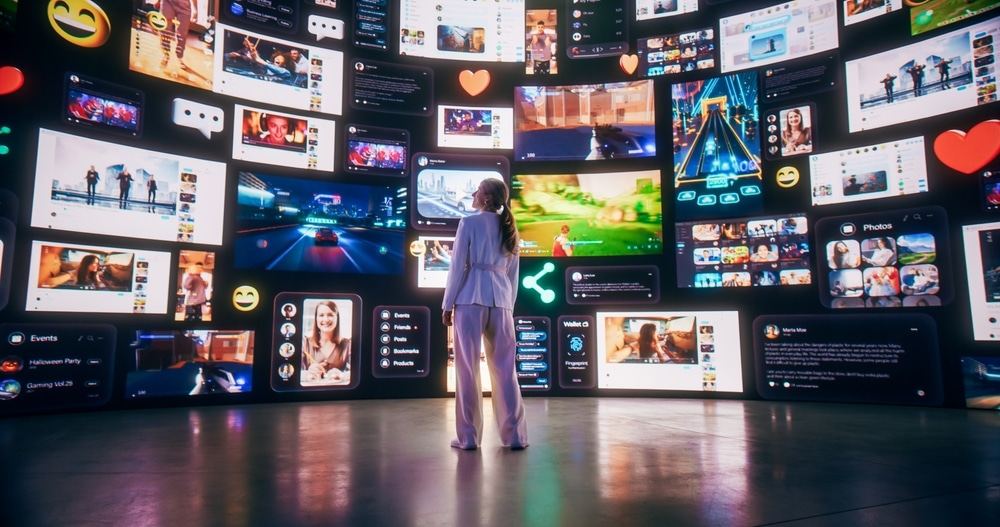
How constant connectivity shapes our thinking
Living in a digital environment means our brains are exposed to more information than ever before. News alerts, social media updates, emails, and videos compete for our attention throughout the day. Research shows that frequent multitasking and switching between tasks can reduce our ability to focus deeply on one thing at a time. Our brains adapt to scanning and skimming rather than reading slowly and reflecting.
Designers of the digital environment often build platforms to keep us engaged for as long as possible. Notifications, likes, comments, and recommendations are carefully structured to trigger curiosity and reward seeking behavior. This does not mean technology is harmful by default, but it does mean that we need to be aware of how easily our attention can be guided.
At the same time, access to diverse perspectives can expand our thinking. We can read opinions from different cultures, watch lectures from world class universities, and learn new skills without leaving home. The same systems that distract us can also educate us. The impact depends on how we use them.
How the digital environment Changes the Way We Work
Work has changed dramatically in the last two decades. In the digital environment, remote work is not only possible but common. Teams collaborate through video calls, shared documents, and project management tools. A designer in Amsterdam can work with a developer in Tokyo in real time. Physical offices are no longer the only place where productivity happens.
The flexibility of the digital environment allows people to create their own schedules and work from almost anywhere with an internet connection. This can improve work life balance and reduce commuting time. However, it can also blur the boundaries between professional and personal life. When emails and messages are always within reach, it becomes harder to switch off.
At the same time, the digital environment creates new job opportunities that did not exist before. Influencers, app developers, data analysts, content creators, and online educators are just a few examples. Entire industries have grown around social platforms and e commerce. Skills such as digital communication, data literacy, and online marketing are now highly valued.
Yet there are challenges. Automation and artificial intelligence can replace certain repetitive tasks. Workers must continuously update their skills to stay relevant. Lifelong learning is no longer optional. The pace of change requires adaptability and resilience.
Entertainment in a connected world
Entertainment in the digital environment has become personalized and on demand. Streaming platforms recommend movies based on our previous choices. Music apps create playlists tailored to our taste. Video platforms suggest content that matches our interests. Instead of waiting for a weekly television broadcast, we binge watch entire seasons in one weekend.
Game developers design the digital environment to be immersive and interactive. Online multiplayer games connect millions of players across continents. Virtual worlds allow people to build, explore, and compete together. For many, gaming is not just a hobby but a social activity.
Social media also plays a large role in how we relax. Scrolling through short videos or sharing photos can feel like a quick break. However, endless scrolling can easily consume more time than we intend. The line between relaxation and distraction becomes thin.
The rise of influencers and user generated content has changed who creates entertainment. In the past, large studios and networks controlled most media production. Now, anyone with a smartphone can reach a global audience. This democratization offers new voices and creativity, but it also increases competition for attention.

Learning and education in the online age
Growing up in a digital environment affects how children and adults learn. Students today often use tablets, online platforms, and educational apps in the classroom. Information is interactive, visual, and accessible at any time. Online courses and tutorials allow people to learn coding, cooking, languages, or photography from experts around the world.
Parents and teachers cannot remove the digital environment from education, but they can guide how it is used. Teaching critical thinking is more important than ever. Not all information online is accurate. Learning how to evaluate sources, check facts, and recognize bias is essential.
Online learning also increases access. People in remote areas can attend virtual classes from top universities. During global crises, such as pandemics, digital tools keep education running when physical schools close. However, access to devices and reliable internet is not equal everywhere. The digital divide remains a serious issue.
Social relationships in a virtual space
Our relationships are filtered through the digital environment in many ways. Messaging apps and social networks allow us to stay in touch with friends and family across long distances. Sharing photos, voice notes, and video calls helps maintain connections that would otherwise fade.
At the same time, online communication lacks some of the cues present in face to face interaction. Tone of voice, body language, and facial expressions are harder to interpret through text. Misunderstandings can happen more easily. Social comparison is another factor. Seeing curated highlights of other people’s lives can influence how we feel about our own achievements and appearance.
Studies suggest that moderate social media use can support connection, while excessive use may be linked to loneliness or anxiety. The quality of interaction matters more than the quantity. Meaningful conversations have a stronger positive impact than passive scrolling.Privacy and personal data
One important aspect of modern life is data. Every click, search, and like can generate information about our preferences and behavior. Companies use this data to improve services, personalize advertisements, and develop new products. While this can make experiences more convenient, it also raises questions about privacy.
Understanding privacy settings, reading terms of service, and being cautious about what we share are practical steps users can take. Governments around the world are introducing regulations to protect personal data, but responsibility is shared between institutions and individuals.
Building healthy digital habits
Since the digital environment is unlikely to disappear, the key question becomes how to use it wisely. Setting boundaries can make a significant difference. Simple habits such as turning off non essential notifications, creating screen free moments during the day, or keeping devices out of the bedroom can improve focus and sleep quality.
Mindful use means asking ourselves why we are going online. Are we searching for specific information, connecting with someone, or just avoiding boredom? Awareness turns automatic behavior into intentional choice.
Balancing online and offline experiences is also crucial. Physical activity, time in nature, face to face conversations, and hobbies without screens provide mental and emotional benefits that technology cannot fully replace. The goal is not to reject innovation but to integrate it thoughtfully into our lives.
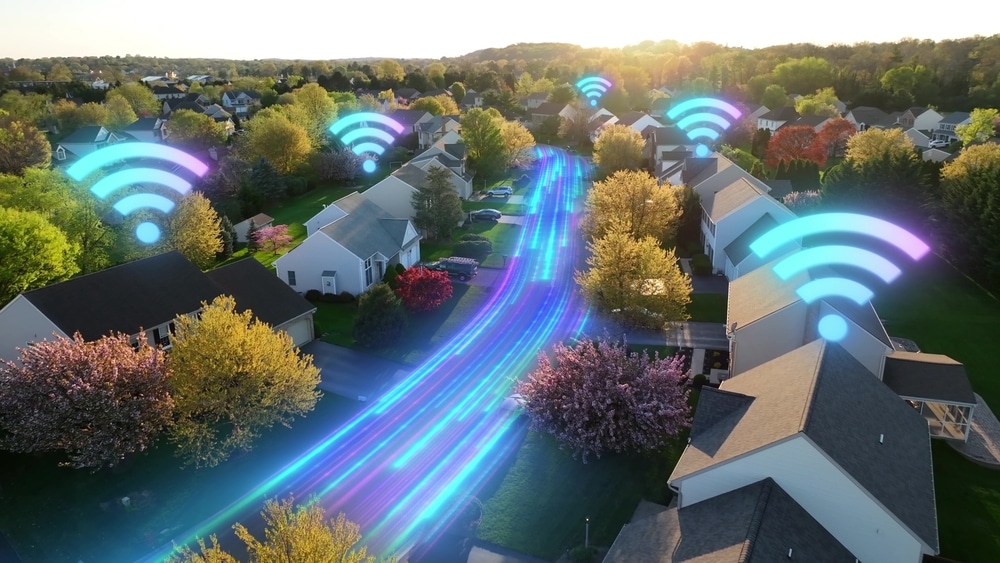
The future of our connected world
Technology continues to evolve at a rapid pace. Virtual reality, augmented reality, and artificial intelligence are becoming more integrated into daily routines. Smart cities, connected homes, and wearable health trackers suggest that the digital layer of our world will only become more complex.
As this evolution continues, society will face important questions. How do we protect mental health? How do we ensure equal access to opportunities? How do we encourage ethical design and responsible innovation? The answers will shape the next phase of our shared experience.
The digital environment is not a distant concept. It is the space where modern life unfolds. By understanding its influence on our thinking, work, and play, we can make conscious decisions rather than being passively guided by algorithms and notifications. Technology itself is neutral. The real power lies in how we choose to use it, how we teach the next generation to navigate it, and how we create systems that support human well being alongside innovation.
In the end, the digital environment is a tool that reflects human creativity, ambition, and connection. It can distract us or empower us, isolate us or unite us. The difference depends on awareness and balance. If we remain curious, critical, and intentional, we can shape a future where technology supports meaningful work, deep learning, and genuine relationships. Instead of being controlled by constant connectivity, we can learn to control it, turning the challenges of our connected age into opportunities for growth and progress.
Do you want to learn more helpful tools to increase your digital productivity? Than you will find the category page here