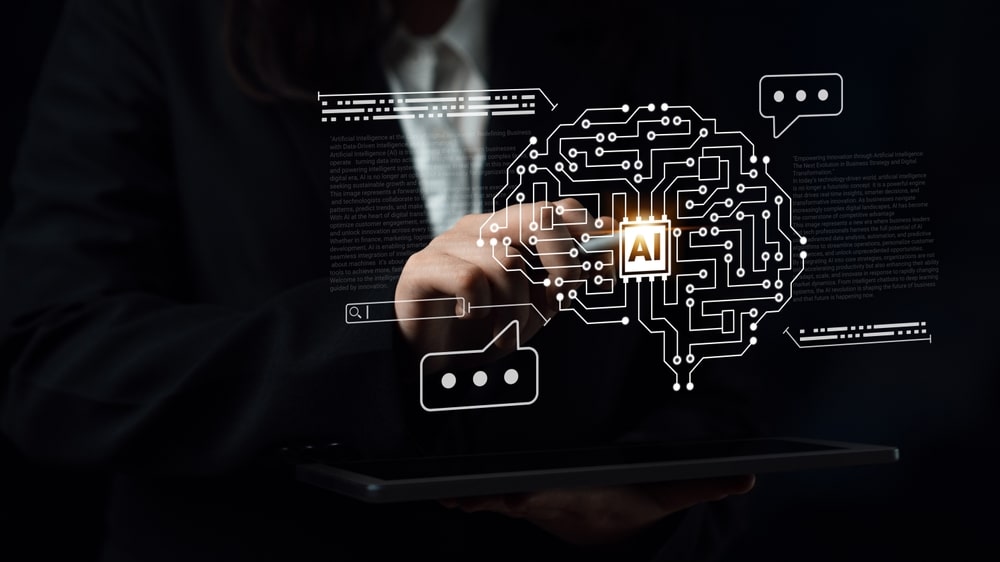
For most of human history, remembering things was a survival skill. We memorized routes, stories, faces, and facts because there was no other option. Today, that reality is shifting fast. With smartphones, cloud storage, and now AI memory tools, we are outsourcing more of our thinking than ever before.
These systems promise to store, organize, and retrieve information better than our own brains can. AI memory tools are already embedded in apps we use daily, often without us noticing. This raises a fascinating question for the future of technology and humanity: if machines can remember everything for us, will we still need to?
How human memory really works
Before exploring what technology might replace, it helps to understand how memory works in the first place. Human memory is not a perfect recording device. It is messy, emotional, and deeply connected to context. We remember things better when they are meaningful, repeated, or tied to feelings. We also forget a lot, and that forgetting is not always a flaw. Forgetting helps us prioritize, move on from painful experiences, and avoid mental overload.
Memory is divided into short-term, long-term, and working memory. Each has limits. Short-term memory can only hold a few items at once. Long-term memory can store massive amounts of information, but access is unreliable. This is where technology steps in, offering something that feels more stable and searchable than our own minds.
What we mean by AI-powered memory
When people talk about digital memory, they often think of simple storage like notes or photos. AI takes this much further. Modern systems do not just store information, they interpret it. AI memory tools can summarize conversations, recall past decisions, connect related ideas, and even remind users of information they forgot they saved.
These tools learn from behavior. They notice what you open, what you search, and what you ignore. Over time, they build a model of what matters to you. This is not memory in the human sense, but it functions in a similar way. Instead of recalling an event emotionally, the system retrieves it logically and instantly.
AI memory tools in everyday life
Many people already rely on these systems without labeling them as such. Email platforms suggest replies based on past messages. Calendar apps remind users of recurring habits. Note-taking apps surface old notes when you type related keywords. Voice assistants remember preferences, routines, and even personal details.
In professional settings, these tools are becoming even more powerful. Project management software remembers deadlines and decisions. Customer service systems recall previous interactions. Developers use tools that remember code patterns and past errors. All of this reduces cognitive load and frees up mental space, but it also changes how we engage with information.
The benefits of outsourcing memory
One of the strongest arguments in favor of this technology is efficiency. Human brains are great at creativity, empathy, and problem solving, but not always great at storing massive amounts of detail. By letting machines handle the remembering, people can focus on higher-level thinking.
There is also accessibility to consider. People with memory-related conditions, learning differences, or high stress levels can benefit greatly. AI memory tools can act as external support systems, helping users stay organized and confident. In a fast-paced world, having reliable reminders and records can reduce anxiety and mistakes.
The risk of memory atrophy
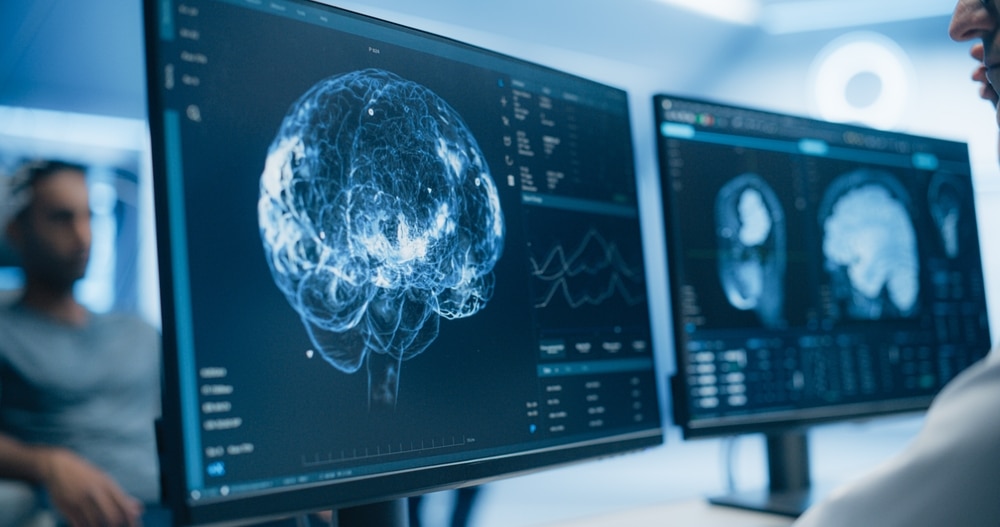
However, there is a growing concern that relying too heavily on technology may weaken our natural memory skills. Similar debates happened with calculators and GPS navigation. Studies have shown that when people rely on GPS constantly, their spatial memory can decline. A similar effect could happen with remembering facts, names, or experiences.
If AI memory tools always remember for us, we may stop practicing recall. Memory, like a muscle, strengthens with use. There is also a deeper issue. Human memory is not just about data. It shapes identity. The stories we remember about ourselves and others influence who we think we are.
Trust, accuracy, and control
Another critical issue is trust. Human memory is flawed, but we understand its flaws. Technology feels objective, but it is built by humans and trained on data that may be incomplete or biased. AI memory tools can misinterpret context, highlight the wrong details, or omit important nuances.
Control is also a concern. Who owns these memories? Are they stored locally or in the cloud? Can they be deleted permanently? If a system remembers everything, forgetting becomes a luxury. This raises ethical questions about privacy, consent, and long-term data storage.
AI memory tools as partners, not replacements
A more balanced view sees these systems as partners rather than replacements. Instead of eliminating the need to remember, they can support it. For example, tools can help people review past notes, encouraging active recall rather than passive storage. They can prompt reflection instead of just delivering answers.
Used thoughtfully, AI memory tools can enhance learning rather than weaken it. They can help users see patterns over time, revisit old ideas, and make connections that might otherwise be lost. The key is intentional use, not blind dependence.

The future of remembering in a digital world
Looking ahead, memory technology will likely become more seamless. Wearables, brain-computer interfaces, and ambient assistants may blur the line between internal and external memory. AI memory tools could one day feel like extensions of our own minds.
This future does not mean human memory becomes obsolete. Instead, its role may shift. We may remember less raw information and more meaning. Machines might handle the details, while humans focus on understanding, judgment, and wisdom. The challenge will be designing systems that respect human values and limitations.
Education and memory in the AI age
Education is one area where these changes will be deeply felt. Traditional schooling emphasizes memorization, but that may evolve. If students always have access to external memory, teaching may focus more on critical thinking and interpretation.
At the same time, foundational knowledge still matters. Without basic understanding, it is hard to evaluate information provided by machines. AI memory tools can support learning, but they cannot replace curiosity or insight. Educators will need to strike a balance between teaching facts and teaching how to think.
So, will we still need to remember things in a world filled with smart systems? The answer is yes, but differently. AI memory tools will likely take over much of the burden of storing and retrieving information, but they cannot replace the human experience of remembering. Our memories are tied to emotion, identity, and meaning in ways machines cannot replicate. Used wisely, AI memory tools can make life easier and more organized. Used poorly, they risk making us passive and disconnected. The future of memory will not be about choosing between humans and machines, but about learning how they can work together.
Do you want to learn more future tech? Than you will find the category page here