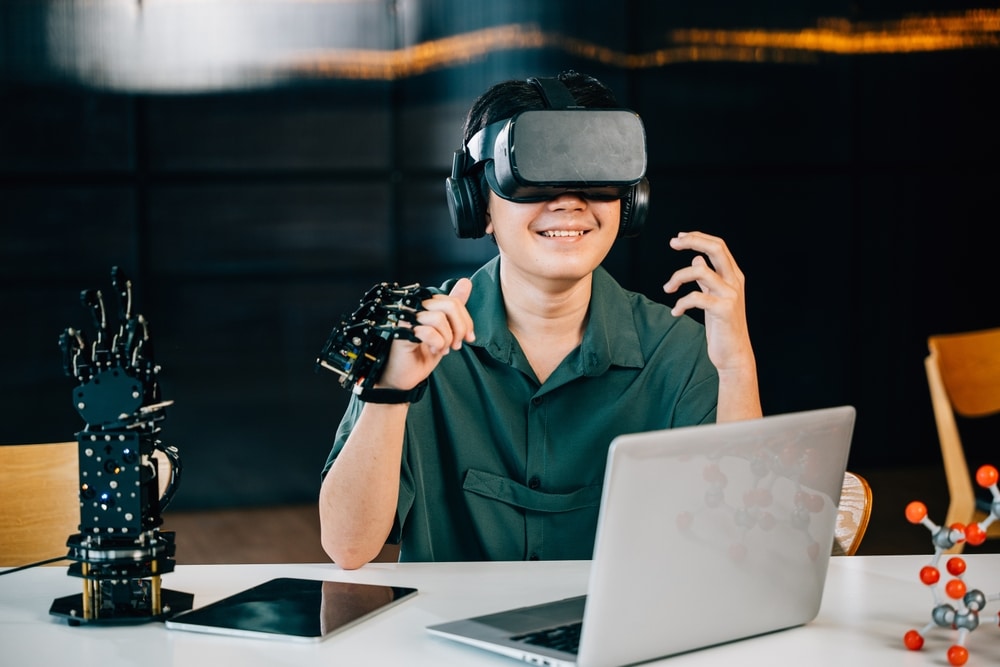
Technology that adapts to people instead of forcing people to adapt to it is quietly reshaping everyday life. What once sounded futuristic is now part of homes, workplaces, schools, and public spaces. adaptive technology is helping individuals overcome barriers related to disability, aging, injury, and even temporary limitations. From voice assistants to smart prosthetics, these innovations are not experimental concepts anymore. They are real tools used by millions of people every day. The most remarkable part is how naturally these tools are blending into ordinary routines, making independence, accessibility, and productivity possible in ways that simply were not achievable a generation ago.
Why adaptive technology matters today
The term adaptive technology refers to tools and systems designed to help people perform tasks that might otherwise be difficult or impossible. While the concept has existed for decades, modern digital innovation has accelerated its development dramatically. adaptive technology is now powered by artificial intelligence, smart sensors, mobile computing, and cloud services.
Historically, assistive devices were often bulky, expensive, and limited in capability. Today, smartphones themselves contain features that once required specialized equipment. Screen readers, speech to text, and customizable display settings make devices more accessible without requiring separate hardware. This shift means that adaptive technology is reaching a broader population, including people who might never have considered themselves users of assistive tools.
Another reason this field is growing quickly is demographic change. Populations are aging in many parts of the world. As people live longer, maintaining independence becomes increasingly important. adaptive technology offers practical solutions that help older adults remain active and self sufficient in their daily routines.
Accessibility built into everyday devices
One of the biggest transformations in recent years is the integration of accessibility features directly into mainstream products. In the past, people with disabilities often had to purchase specialized equipment that was expensive and difficult to maintain. Now many of those capabilities exist inside devices people already own.
For example, modern smartphones include features like voice control, magnification tools, hearing aid compatibility, and customizable touch settings. These capabilities represent a quiet revolution driven by adaptive technology. What used to require separate assistive devices can now be activated with a simple settings change.
Smart home systems provide another example. Voice controlled lights, thermostats, and appliances allow people with mobility challenges to manage their homes independently. For someone with limited movement, the ability to control household functions through speech can dramatically improve quality of life.
These features are not only beneficial for people with permanent disabilities. Temporary injuries, fatigue, or situational limitations can make accessibility tools useful for anyone. This broader usefulness is one reason adaptive technology is becoming standard rather than specialized.
Transforming education and learning environments
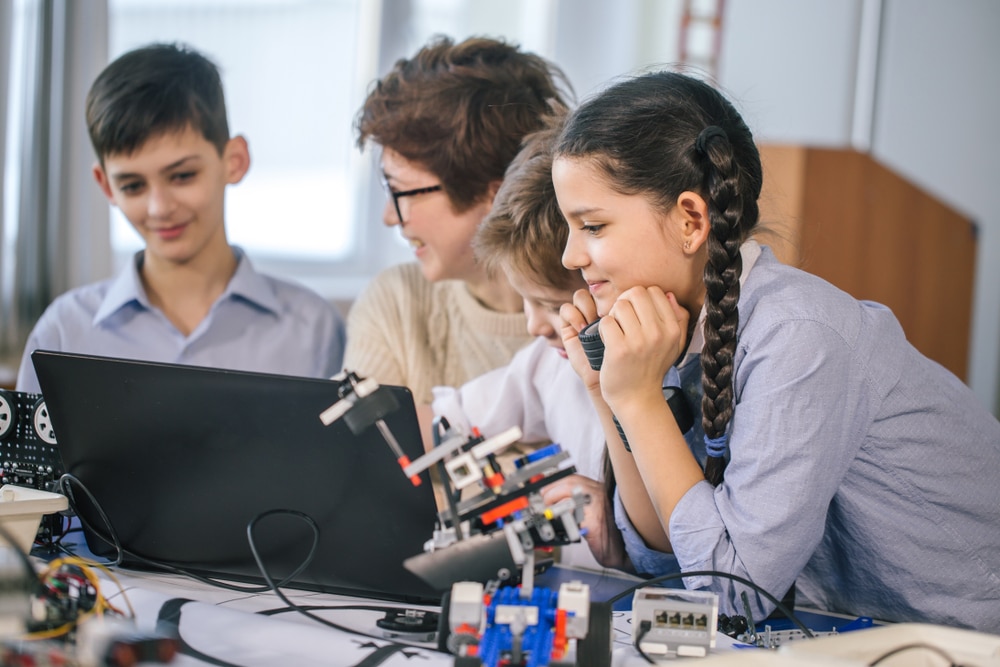
Education is another area where innovation is making a profound difference. Students have diverse learning needs, and traditional classroom structures do not always support everyone equally. adaptive technology helps bridge these gaps by creating more flexible learning experiences.
Text to speech software allows students with reading difficulties to listen to written material. Speech recognition tools help those who struggle with typing or handwriting express their ideas more easily. Digital textbooks can adjust font size, contrast, and layout to support different visual needs.
Adaptive learning platforms also personalize lessons based on student performance. These systems analyze how a student interacts with material and adjust difficulty levels accordingly. In many cases, adaptive technology helps educators identify learning challenges earlier, enabling targeted support.
The result is a classroom environment where more students can participate fully. Instead of designing education for an imagined average learner, teachers can use technology to accommodate individual differences more effectively.
Healthcare innovations improving independence
Healthcare has always been closely connected to assistive devices, but modern developments are expanding possibilities dramatically. Medical professionals increasingly rely on adaptive technology to support rehabilitation, mobility, and long term health management.
Advanced prosthetic limbs are one of the most visible examples. Modern prosthetics use sensors and microprocessors to mimic natural movement more closely than earlier designs. Some models can even respond to muscle signals from the user, allowing more intuitive control.
Wearable health devices also play an important role. Smartwatches and monitoring tools track heart rate, sleep patterns, and activity levels. For individuals managing chronic conditions, these devices provide valuable data that can be shared with healthcare providers.
In rehabilitation settings, adaptive technology helps patients regain skills after injuries or strokes. Virtual reality systems can simulate real world activities for therapy exercises, allowing patients to practice movement and coordination in safe environments. These advances do not just improve medical outcomes. They also help people regain confidence and independence during recovery.

Workplace inclusion and productivity
Work environments are evolving rapidly, and accessibility has become a central part of that transformation. Organizations increasingly recognize that diverse teams perform better when everyone has the tools they need to succeed. adaptive technology is helping make workplaces more inclusive.
Speech recognition software allows employees to dictate documents or navigate computers without traditional keyboards. Screen readers enable individuals with visual impairments to interact with digital systems effectively. Adjustable desks and ergonomic devices support employees with physical limitations.
Remote work technology has also expanded opportunities. Video conferencing platforms, collaborative digital workspaces, and cloud based tools allow many people to work productively from home. For individuals who face transportation or mobility challenges, these options can be life changing.
In many cases, adaptive technology improves efficiency for all employees, not just those with disabilities. Features like voice commands, automated transcription, and customizable interfaces make workflows smoother and more flexible.
Smart cities and public accessibility
Cities around the world are beginning to incorporate accessibility into their infrastructure planning. Urban design increasingly considers how technology can help people navigate public spaces more easily.
Navigation apps now provide step by step directions tailored for wheelchair users, including information about accessible entrances and elevators. Public transportation systems are integrating audio announcements, visual displays, and mobile alerts that improve access for people with hearing or vision impairments.
Public kiosks and ticket machines are also evolving. Many include tactile buttons, voice guidance, and screen adjustments designed through adaptive technology principles. These improvements make transportation systems more usable for everyone.
As smart city initiatives continue to grow, accessibility is becoming a core design priority rather than an afterthought. This shift reflects a broader understanding that inclusive design benefits entire communities.
The role of artificial intelligence
Artificial intelligence is accelerating progress across the accessibility landscape. Machine learning algorithms can analyze speech, images, and text with remarkable accuracy. When combined with adaptive technology, these capabilities unlock entirely new possibilities.
Real time captioning tools, for instance, can automatically convert spoken conversation into written text during meetings or events. Image recognition systems can describe visual content to people who are blind or have low vision. Language translation tools can assist individuals who communicate using different languages.
AI driven assistants are also becoming more capable. They can schedule appointments, answer questions, and control devices through natural conversation. For users with limited mobility or dexterity, these voice based systems offer powerful new ways to interact with technology. While challenges remain regarding accuracy, privacy, and affordability, AI continues to expand the reach and effectiveness of accessibility tools.
Looking ahead at a more inclusive future
Despite the progress already made, the potential of adaptive technology is far from fully realized. Researchers and designers are exploring new approaches that could make digital and physical environments even more inclusive.
Brain computer interfaces are one emerging area of research. These systems aim to translate neural signals into commands that control computers or prosthetic devices. Although still experimental, such technologies could dramatically expand communication and mobility options for people with severe disabilities. Augmented reality is another promising field. AR systems could provide real time visual or auditory guidance to help users navigate unfamiliar spaces or complete complex tasks. For individuals with cognitive or visual challenges, these tools could offer valuable support.
Importantly, many innovators are now involving people with disabilities directly in the design process. This collaborative approach ensures that adaptive technology solutions address real needs rather than theoretical ones.
The idea that accessibility tools belong only in specialized environments is rapidly disappearing. Today, adaptive technology is woven into smartphones, homes, workplaces, classrooms, and city infrastructure. These innovations empower individuals to live more independently, participate more fully in society, and pursue opportunities that were once difficult to access. As technology continues to evolve, the focus is shifting toward inclusive design that benefits everyone. Rather than waiting for a distant future, we are already living in a time where adaptive technology is transforming daily life in practical and meaningful ways.
Do you want to learn more future tech? Than you will find the category page here