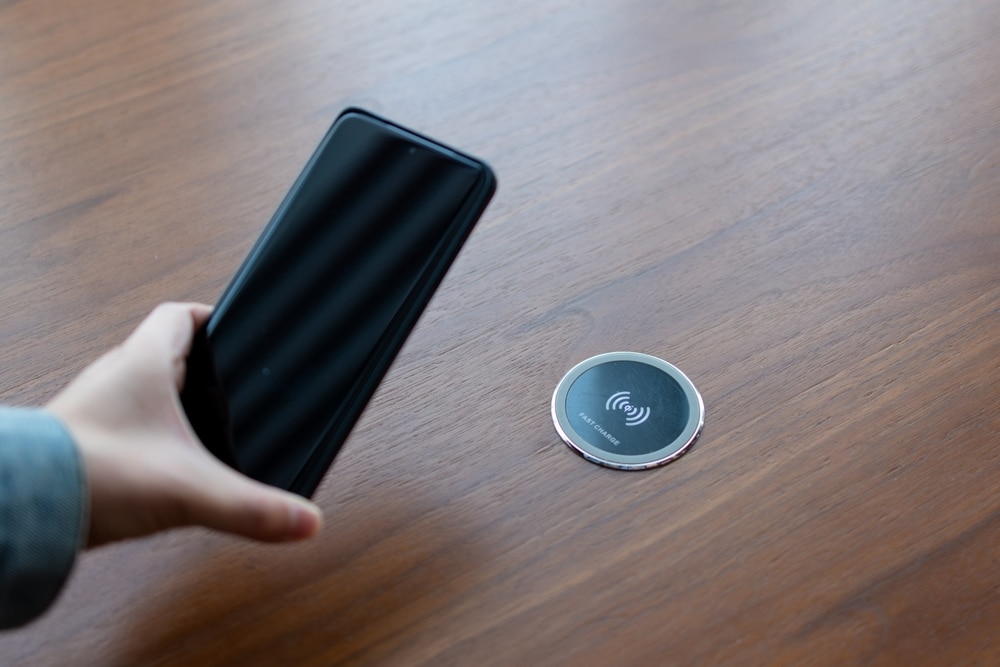
Wireless power technology is quietly escaping the charging pad. Instead of making you place one phone on one carefully aligned puck, newer systems can send small amounts of energy across a room, automatically topping up several compatible devices at once.
That sounds like the moment when extension cords finally become museum pieces. It is not—at least not yet.
Today’s room-scale systems are best at powering sensors, trackers, electronic labels, locks and other devices with modest energy needs. They are not ready to run your television, kettle or gaming PC through the air. Even charging a smartphone from across the room remains much harder than the glossy demonstrations suggest.
Still, something important has changed. Wireless power at a distance is no longer just a laboratory trick. Regulators have approved systems, industry standards are emerging and companies are building practical products around it. The first genuinely wireless rooms may arrive through tiny devices rather than flashy appliances.
A “Charging Room” Is Not One Giant Charging Pad
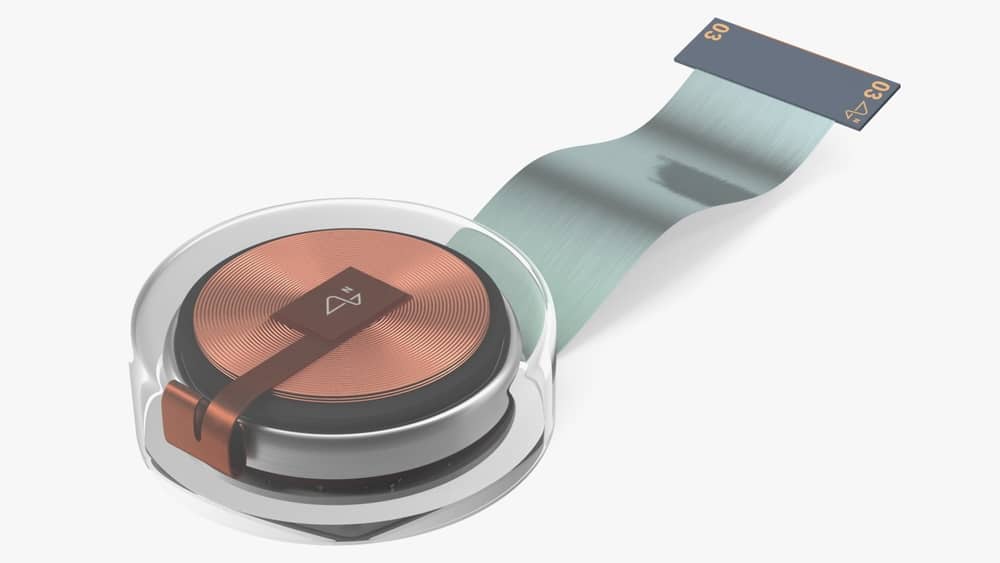
Most wireless charging currently found in homes uses magnetic induction. A coil in a charger creates a changing magnetic field, which induces an electrical current in a matching coil inside a phone, watch or pair of earbuds.
It works well, but only over a very short distance. Your device generally needs to sit directly on the charger. Magnetic alignment has improved the experience: the latest Qi wireless charging standards use magnets to position compatible devices correctly, while Qi2 25W raises certified charging power well beyond the original 15-watt version.
That is convenient wireless charging, but the device is still tethered to a specific surface.
A charging room works differently. A transmitter installed on a wall, ceiling, shelf or piece of furniture sends energy to receivers elsewhere in the space. Those receivers may be built into products or attached as adapters. Depending on the system, devices can continue receiving energy while being moved.
The room itself does not become electrified. Power is delivered through controlled electromagnetic waves or directed light, and only suitably equipped receivers can convert it into useful electricity.
Think of it less like dropping a phone onto an invisible floor-sized mat and more like adding a power network alongside Wi-Fi.
How Power Actually Travels Across the Room
There is no single technology behind this idea. Developers are pursuing several methods, each with its own balance of range, power, efficiency and freedom of movement.
Radio-frequency power
Far-field RF systems send energy using radio waves. A receiving antenna captures those waves, and specialised electronics convert them into direct current.
The attraction is flexibility. RF can reach multiple receivers, work across several metres and, in some designs, continue operating without a perfect line of sight. Antenna arrays and beamforming can concentrate energy toward specific devices instead of broadcasting it equally in every direction.
Ossia’s Cota system, for example, has receivers transmit beacon signals that help a power transmitter identify usable paths through the room. The company says the transmitter repeatedly updates those paths and sends energy back while avoiding people and pets. Cota has received regulatory approvals in the United States, European Union and United Kingdom; its FCC-authorised configuration transmits roughly five watts of RF power, although the amount ultimately captured by a distant device is lower.
RF is particularly attractive for electronics that need tiny but regular amounts of energy. A temperature sensor does not care whether it receives a rapid charge. It simply needs enough power to keep measuring and communicating.
Directed infrared power
Optical systems convert electricity into a tightly controlled beam of infrared light. A small photovoltaic receiver then converts that light back into electricity.
Concentrating the energy can deliver more useful power than spreading radio waves throughout a room. However, the transmitter generally needs an unobstructed path to the receiver. If a person or object crosses that path, safety sensors can interrupt transmission and resume it when the route is clear.
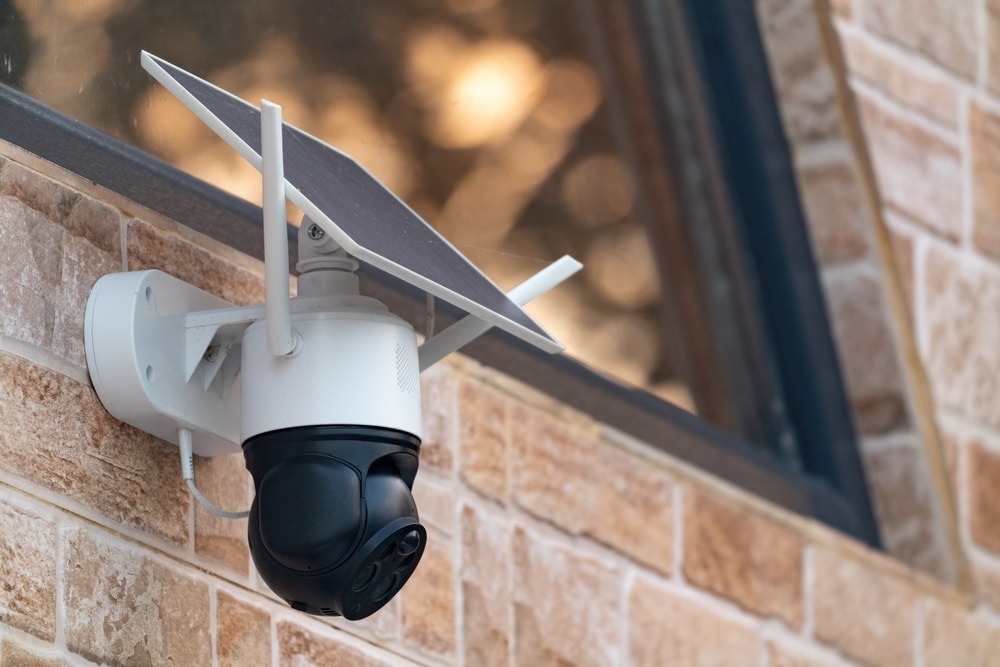
This approach can suit devices in predictable positions, such as smart locks, security cameras, digital displays and sensors mounted high on walls. It is less helpful for something that spends half the day inside a pocket or underneath a blanket.
Magnetic resonance
Magnetic resonance is related to the induction used by familiar charging pads, but it allows more freedom in placement and can operate across somewhat larger gaps. One transmitter may also power several compatible receivers within its field.
It works particularly well when power can be built into a defined surface or zone—a desk, countertop, car console or kitchen worktop. Its practical range is normally much shorter than room-scale RF or optical systems, so it is better described as “loose placement” than power beamed across the lounge.

The Smallest Devices Make the Strongest Case
The headline-grabbing dream is a phone that remains at 100% while you wander around the house. The more convincing near-term opportunity is considerably less glamorous: removing batteries from hundreds of small devices.
Modern buildings are filling up with motion detectors, thermostats, air-quality monitors, leak sensors, smart buttons and asset tags. Shops may use large numbers of electronic shelf labels. Warehouses and hospitals can have tracking devices attached to equipment or inventory.
Individually, changing one battery is trivial. Maintaining hundreds or thousands becomes an expensive routine. Some sensors also sit in awkward locations, while opening a sealed product to replace a battery can compromise its resistance to water or dust.
The AirFuel RF specification is designed around these low-power scenarios. It supports multiple receivers within a three-dimensional charging zone and targets products such as sensors, electronic labels, wearables, computer peripherals and asset trackers. Depending on the device’s consumption, incoming energy may operate it directly or slowly replenish a small rechargeable battery used as a buffer.
That is what “charging a room” is likely to mean first: a background supply that keeps dozens of modest devices alive without anyone hunting for coin cells.
So, Can It Charge Your Phone From Across the Room?
Technically, yes. Practically, expectations need adjusting.
A smartphone consumes far more power than a basic sensor. Even when it is sitting idle, its display, processor, radios and background activity can use energy faster than a distant transmitter supplies it. A system may extend battery life or provide a slow top-up without necessarily producing the visible charging speed people expect from a cable or modern Qi2 pad.
Distance is the biggest problem. With far-field RF, available power generally drops sharply as the receiver moves away from the transmitter. Beamforming helps direct energy, but it does not cancel physics. Furniture, room geometry, antenna size, receiver orientation and local power limits also affect performance.
A phone requires compatible receiving hardware too. Existing handsets cannot magically harvest meaningful room-scale power merely because a transmitter has been installed. They need an integrated receiver or an external accessory that can capture the energy and pass it to the phone.
That adds cost, thickness and another compatibility question. Until major device manufacturers build receivers into mainstream products, distant phone charging is likely to remain a specialist feature or an accessory-led experience.
Safety Is About More Than Whether a Beam Feels Hot
Sending energy through an occupied space naturally raises questions. Legitimate products must comply with regional limits governing human exposure, radio interference and equipment operation. In the United States, the Federal Communications Commission’s RF safety rules cover exposure from radio-frequency devices, while other regions apply their own technical requirements.
Different systems manage safety differently. RF platforms can monitor transmission paths, power levels and the location of receivers. Optical systems generally detect interruptions and shut down a beam if something enters its path.
Approval is not a universal stamp for every possible version of a technology, however. Certification applies to particular equipment, frequencies, power levels and operating conditions. A company announcing that its underlying system has regulatory approval does not necessarily mean every concept shown in a demonstration is available to buy.
People using implanted or sensitive medical devices should also follow the guidance supplied by the device manufacturer and the wireless-power product. Interference and immunity testing remain important even when energy exposure itself falls within regulatory limits.
The Efficiency Problem Has Not Disappeared
Wireless power trades some efficiency for convenience. A wired connection delivers electricity along a controlled conductor. Room-scale charging must generate electromagnetic or optical energy, guide it through open space, capture only part of it and convert it back into electricity.
Every stage introduces losses.
That does not automatically make the technology wasteful in every application. If one transmitter prevents workers from repeatedly inspecting, accessing and replacing batteries in thousands of sensors, the entire system may still make operational sense. Sealed rechargeable devices could also reduce the consumption of disposable batteries.
But sending continuous power across a room to replace an easily accessible cable may be a poor bargain. Any environmental claim should account for transmitter consumption, conversion losses, receiver hardware and manufacturing—not just the number of batteries avoided.
The best systems will send power only when registered devices need it, concentrate energy where possible and enter low-power states when nothing is requesting a charge.
What to Check Before Believing a Wireless-Power Demo
The phrase “wireless charging at a distance” can cover everything from a commercial transmitter to a prototype operating under tightly controlled conditions. A useful demonstration should answer a few basic questions.
How much power reaches the receiver at the stated distance? Does that figure describe transmitted power or electricity actually available to the device? Those are not the same thing.
Check whether line of sight is required, how the system reacts to people and obstacles, and whether several devices divide the available power. Find out whether the receiver is built into the product or hidden inside a bulky demonstration case.
Regulatory status matters as well. Look for approval that covers the actual product and region where it will be used, not simply a general statement that the technology is safe. Interoperability is another major issue: a transmitter is far less useful if it works with only one company’s proprietary receivers.
Finally, match the technology to a realistic job. A room-scale system that reliably powers fifty sensors may be genuinely valuable even if it cannot fast-charge one phone. Judging it by the wrong task hides the real breakthrough.
The Room Will Charge the Background Before It Charges Everything
Wireless power is real, and it is beginning to move beyond the phone-sized pad. RF, infrared and resonant systems can create useful power zones in rooms, shops, vehicles and warehouses. Their strongest applications today involve low-energy devices that are inconvenient to wire or maintain.
The cordless fantasy still has limits. Distance reduces available power, efficiency matters, receivers must be compatible and high-demand electronics remain much better served by cables or close-contact charging.
So yes, wireless power technology is charging rooms—but not by flooding them with limitless electricity. It is turning indoor spaces into carefully managed energy networks, one sensor, label and small device at a time.