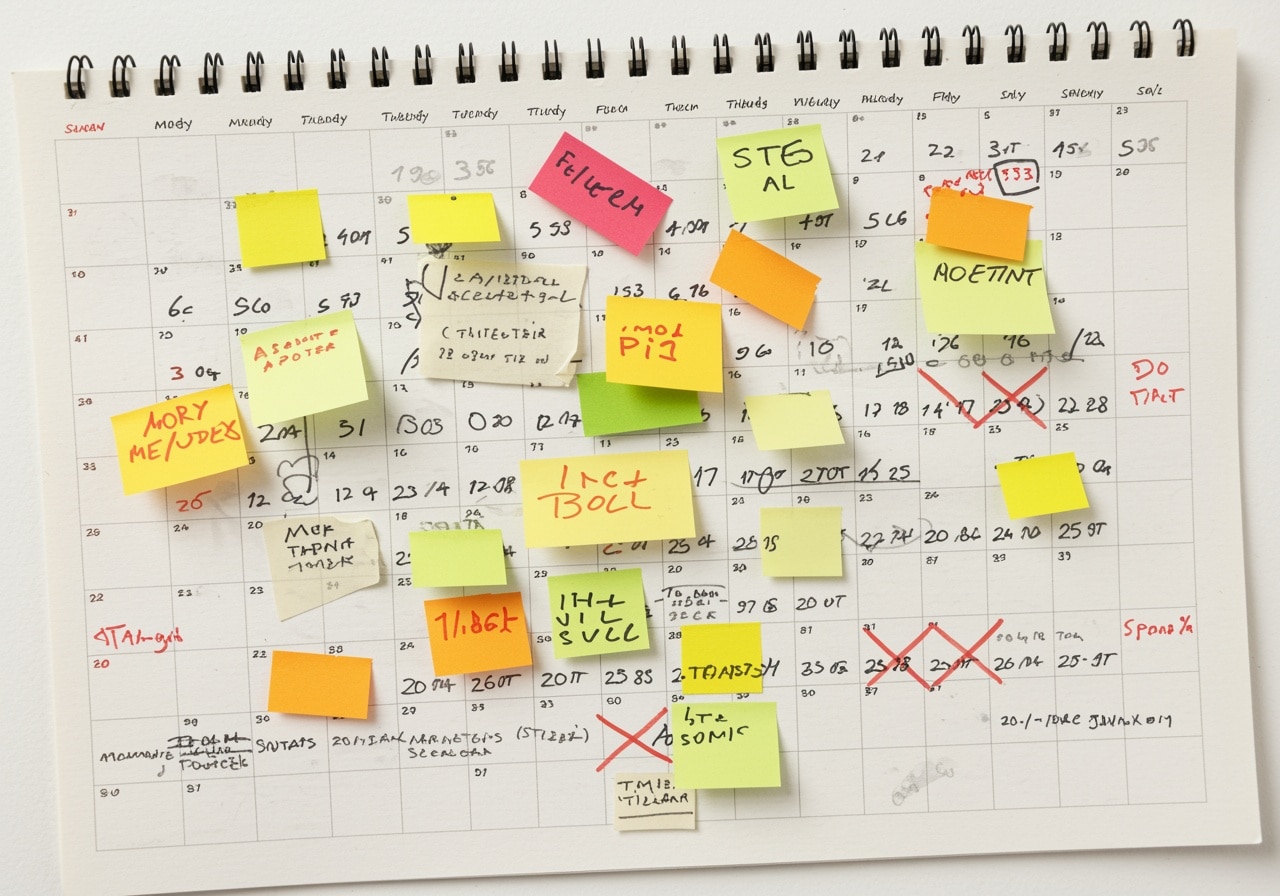
Many productivity systems look perfect on paper but fall apart when real life gets busy. Meetings run late, unexpected phone calls interrupt the day, and personal responsibilities rarely stick to a predictable schedule. Instead of giving up on planning altogether, it helps to use a flexible system that adapts when things change. That is exactly where the time blocking method stands out. Rather than forcing every minute to go according to plan, it provides a practical framework that helps you regain control without feeling overwhelmed, even when your calendar seems determined to surprise you from morning until night.
Why the Time Blocking Method Works
The biggest reason so many planning systems fail is that they assume every day will unfold exactly as expected. Reality is much messier. Traffic delays happen, colleagues need help, emails pile up, and emergencies appear without warning. A flexible schedule accepts those interruptions instead of pretending they do not exist. By assigning broad blocks of time to important activities instead of creating an unrealistic minute-by-minute schedule, you create room to adjust. That makes planning less stressful and increases the likelihood that your most valuable work still gets completed before the day ends.
Instead of trying to finish everything on a never-ending to-do list, focus on identifying the few priorities that truly deserve attention. Group similar tasks together so your brain spends less energy switching between different types of work. Reserve periods for deep concentration, but also leave open spaces that can absorb unexpected requests. This approach prevents a single interruption from ruining your entire schedule. Even when plans change, your priorities remain clear, making it easier to recover and continue working without feeling like the day has already been lost.

Adapting the Time Blocking Method
One reason the time blocking method remains effective is its flexibility. Rather than treating every block as fixed, think of them as movable pieces that can shift throughout the day. If an important meeting suddenly appears, simply move another block instead of deleting it completely. That mindset removes much of the guilt that often comes from missing a carefully planned schedule. Progress becomes more important than perfection, allowing you to keep moving forward even when circumstances change faster than expected.
Building buffer time into your calendar is another valuable habit. Many people underestimate how long tasks actually take, leaving no room for delays. Adding short gaps between work sessions gives you time to finish lingering tasks, prepare for the next activity, or simply catch your breath. These small breaks also reduce mental fatigue, making it easier to stay focused throughout the day. Surprisingly, planning less often leads to accomplishing more because your schedule reflects reality instead of wishful thinking.
Protecting Focus During Busy Days
Technology can either support your productivity or constantly interrupt it. Notifications, instant messages, and social media alerts compete for your attention every few minutes. The time blocking method becomes much more effective when paired with intentional digital boundaries. Silence unnecessary notifications during focus periods, close unrelated browser tabs, and let colleagues know when you are unavailable for non-urgent questions. Even protecting thirty uninterrupted minutes can produce more meaningful work than several distracted hours spread across the day.
Not every task deserves the same level of concentration. Administrative work, quick replies, and routine updates can often be grouped into a single session instead of interrupting your day repeatedly. Using the time blocking method in this way helps reduce constant context switching, which research has shown can lower productivity and increase mental fatigue. Saving focused periods for creative thinking, problem-solving, or strategic planning allows your brain to perform at its best while simpler tasks remain contained within their own dedicated windows.
Making the Time Blocking Method a Lasting Habit
Consistency matters more than creating the perfect schedule. Many people spend too much time designing elaborate planning systems but abandon them after one difficult week. The time blocking method succeeds because it encourages regular adjustments instead of demanding flawless execution. At the end of each day, spend a few minutes reviewing what worked well and what needs improvement. Those small reflections gradually strengthen your planning skills and help you create schedules that better match your actual responsibilities and working style.
It also helps to remember that personal time deserves the same respect as professional commitments. Exercise, family dinners, hobbies, and proper rest should appear on your calendar alongside work responsibilities. Treating these activities as genuine appointments creates a healthier balance and reduces burnout over time. The time blocking method supports sustainable productivity because it recognizes that consistent performance depends on maintaining both energy and motivation instead of endlessly pushing through exhaustion.
A chaotic schedule does not have to mean an unproductive life. Flexibility, realistic expectations, and regular adjustments allow you to maintain momentum even when every day looks different. The time blocking method is not about controlling every minute but about giving your priorities a reliable place in your calendar. When interruptions happen, you simply adapt instead of starting over. Over time, that resilience builds confidence and reduces stress. Instead of feeling controlled by your schedule, you begin using it as a practical tool that supports meaningful progress every single day.
Looking for more Digital Productivity hacks? Check them here!