
People once believed smartphones would only become more central to daily life, yet a surprising shift is taking place. Around the world, more people are intentionally replacing feature-packed devices with simple mobile phones that focus on calling and texting. This growing interest reflects changing attitudes about constant connectivity, social media, and digital wellbeing. Many users are discovering that less technology can sometimes create a richer daily experience. The phrase dumbphone revival captures this trend perfectly, as people from different age groups rethink what they actually need from the device they carry every day and why simplicity suddenly feels refreshing again.
Why the Dumbphone revival Is Gaining Attention
For years, smartphone manufacturers competed by adding more features, faster processors, and brighter displays. While these improvements made devices incredibly capable, they also encouraged endless scrolling, frequent notifications, and constant digital distractions. As people became more aware of screen time and its impact, interest in simpler alternatives steadily increased. The dumbphone revival reflects a desire to regain control over daily habits rather than reject technology altogether. Many users simply want a phone that performs essential tasks without constantly demanding attention through apps, alerts, and social media updates.
Researchers have increasingly explored how excessive smartphone use affects concentration, sleep quality, and stress levels. Although smartphones themselves are not inherently harmful, many experts agree that endless notifications and addictive app designs can encourage compulsive behavior. Choosing a simpler phone removes many of those temptations without requiring extraordinary self-discipline. For some people, the dumbphone revival represents a practical lifestyle adjustment instead of a dramatic statement against modern technology. It becomes easier to stay present during conversations, enjoy hobbies, and complete work without checking a screen every few minutes.
Escaping the Attention Economy
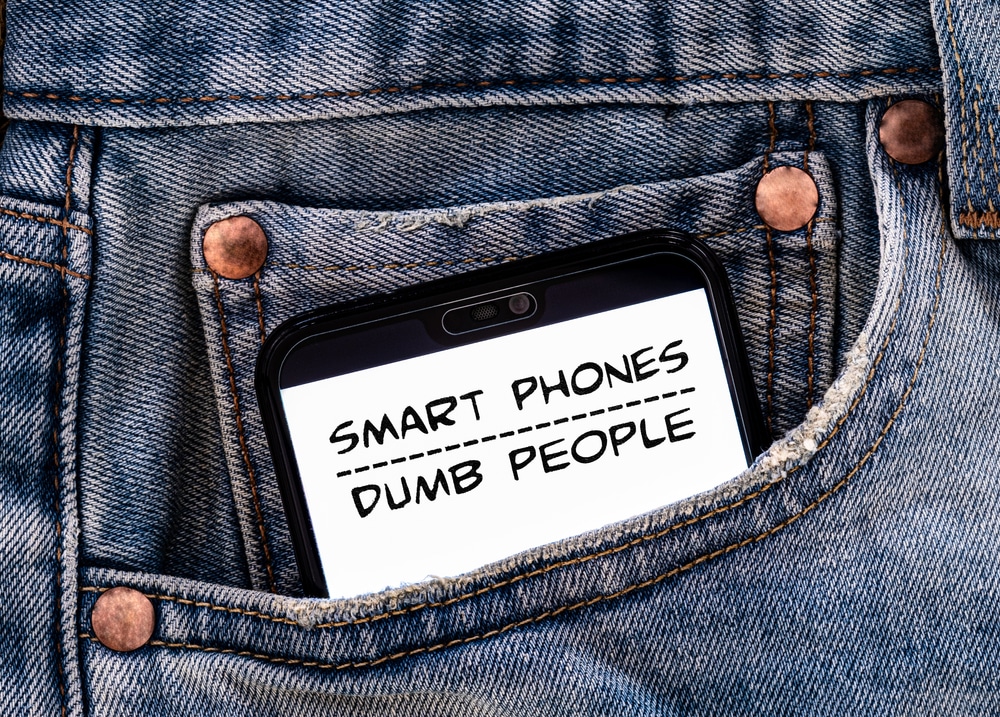
Modern apps are carefully designed to keep users engaged for as long as possible. Infinite scrolling, personalized recommendations, and frequent alerts all compete for attention throughout the day. While these features can be entertaining and useful, they also consume valuable time that many people would rather spend differently. The dumbphone revival appeals to those who want fewer interruptions and greater control over how they use technology. Instead of fighting against dozens of digital temptations, they simply remove many of them by switching to a device with fewer capabilities.
Interestingly, many people making this switch are not older adults unfamiliar with technology. Young professionals, university students, and even teenagers have started experimenting with simpler phones to reduce distractions. Some continue using smartphones only for work or specific tasks while carrying a basic phone during evenings or weekends. This flexible approach shows that the dumbphone revival is often about creating healthier boundaries rather than completely abandoning modern digital tools that remain useful for navigation, banking, communication, and countless everyday activities.
Practical Benefits Beyond Digital Wellness
A basic phone often provides surprisingly practical advantages beyond reducing screen time. Many models offer battery life measured in days instead of hours, making them dependable during travel or emergencies. They are generally more durable, less expensive to replace, and less attractive to thieves than premium smartphones. For budget-conscious users, these benefits add another layer of appeal. The dumbphone revival has therefore become connected not only to mental wellbeing but also to financial savings, reliability, and the appreciation of devices that simply perform their intended purpose well.

Of course, switching to a basic phone is not practical for everyone. Many jobs require authentication apps, email access, messaging platforms, or specialized software that only smartphones can provide. Parents may also appreciate location sharing and other safety features. Because of these realities, the dumbphone revival does not suggest smartphones should disappear. Instead, it encourages people to evaluate which digital tools genuinely improve their lives and which simply fill spare moments without offering lasting value or meaningful satisfaction.
Finding a Healthy Balance
Some users discover that a complete switch works perfectly, while others prefer a middle ground. They disable unnecessary notifications, remove distracting apps, or schedule periods without smartphone use. These strategies demonstrate that reducing digital overload does not always require buying another device. Nevertheless, the dumbphone revival has inspired broader conversations about intentional technology use, encouraging people to think carefully before automatically accepting every new feature, app, or online habit that promises convenience but quietly demands increasing amounts of attention.
Whether this movement continues growing or eventually slows down, it has already encouraged millions of people to question their relationship with technology. Instead of assuming that newer devices automatically improve life, consumers are considering how technology fits into their personal goals, relationships, and wellbeing. That shift in thinking may become the movement’s most lasting legacy. Even those who never purchase a basic phone can still learn valuable lessons from the conversations sparked by people choosing simplicity over constant digital engagement.
Technology will undoubtedly continue evolving, bringing even more powerful smartphones and connected devices into everyday life. At the same time, the renewed appreciation for simpler phones highlights an important truth: convenience is not always the same as happiness. The dumbphone revival reminds us that people can choose technology intentionally instead of automatically accepting every innovation. Whether someone adopts a basic phone permanently or simply reduces unnecessary screen time, the underlying goal remains the same. Creating healthier habits, stronger personal connections, and more focused daily experiences may ultimately matter far more than carrying the latest device.
Do you want to learn more viral trends to improve your daily live? Than you will find the category page here