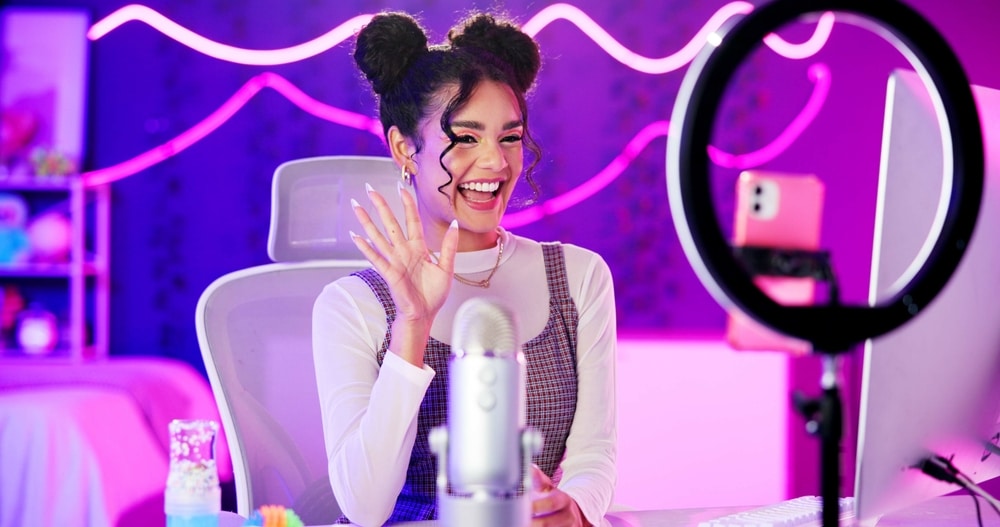
Have you ever watched a YouTuber, streamer, or podcast host for years and felt as if they were part of your everyday life? Many people experience this surprising sense of familiarity, even though they have never exchanged a single conversation with the person on their screen. The internet has made it easier than ever to follow someone’s daily routines, opinions, and personal milestones. This feeling is closely connected to the concept of parasocial relationship creators, which explains why audiences often develop emotional bonds with online personalities they have never actually met in real life.
How parasocial relationships creators Shape Online Connection
The idea of forming one-sided emotional connections with public figures is not new. Researchers first described these relationships in the 1950s when television became a major part of everyday life. Social media, livestreams, podcasts, and video platforms have simply made those feelings much stronger. Unlike traditional celebrities, online creators often speak directly to viewers, answer comments, and share personal stories from their daily lives. That style of communication makes audiences feel included instead of simply entertained, even though the interaction usually remains one-sided.
Why Our Brains Fill in the Gaps
Our brains naturally build familiarity through repetition. The more often we see someone’s face, hear their voice, or learn about their experiences, the more comfortable they seem. Scientists believe this repeated exposure helps explain why parasocial relationshipscreators can feel surprisingly genuine. Even without direct interaction, viewers begin predicting how a creator might react, joke, or respond to certain situations. That familiarity creates an illusion of closeness because our minds process repeated social exposure in ways that resemble real-life friendships.
Another important factor is storytelling. Many successful creators share both exciting moments and everyday experiences, making their content feel authentic. Instead of only presenting polished highlights, they talk about setbacks, hobbies, family traditions, or personal goals. As audiences repeatedly follow these stories, parasocial relationship creators become easier to understand emotionally. Viewers recognize recurring themes, celebrate achievements, and sympathize with disappointments. While the creator may never know most individual followers, those followers often feel deeply invested because they have witnessed an ongoing narrative unfold over months or even years.
When Entertainment Starts Feeling Personal
Online platforms encourage regular engagement. Subscription notifications, daily uploads, livestream schedules, and social media updates all create routines that fit naturally into people’s lives. Someone who watches a favorite creator every evening after work may begin associating that familiar voice with comfort or relaxation. This repeated habit strengthens parasocial relationship creators by making the content part of everyday routines rather than an occasional source of entertainment. Familiarity grows quietly over time instead of appearing all at once.
Communities also play an important role. Fans gather in comment sections, Discord servers, Reddit discussions, and livestream chats where they share jokes, celebrate milestones, and discuss new uploads. Although these communities are made up of strangers, they reinforce shared experiences around a favorite creator. As conversations continue, parasocial relationship creators become connected not only to the individual personality but also to the larger community surrounding them. Feeling accepted by fellow fans can make the emotional bond with the creator seem even stronger.
The Positive Side of One-Sided Connections
Not every one-sided relationship is unhealthy. Research suggests these connections can provide comfort, inspiration, and motivation. Someone learning a new hobby might stay committed because a trusted creator explains difficult concepts in an encouraging way. Others find reassurance by watching creators openly discuss mental health, careers, or personal growth. In these situations, parasocial relationship creators may offer encouragement that helps viewers feel less isolated while still recognizing that the creator is not a personal friend.
Many creators are aware of this responsibility and actively encourage healthy boundaries. They remind audiences that edited videos show only part of their lives and that privacy remains important. Responsible creators avoid pretending they know every individual viewer personally, even while speaking in a warm and welcoming tone. This balanced approach helps parasocial relationship creators remain positive rather than becoming unrealistic expectations about mutual friendship. Transparency helps audiences appreciate content without confusing entertainment with personal relationships.
Healthy Boundaries in a Digital World
Problems can arise when emotional investment becomes excessive. Some viewers may feel disappointed if a creator changes direction, takes a break, or expresses opinions they disagree with. Others might believe they deserve personal attention simply because they have supported someone for a long time. Understanding parasocial relationship creators helps people recognize these feelings before they become unhealthy. Enjoying someone’s content is perfectly normal, but expecting a stranger to fulfill the role of a close personal friend can lead to frustration.
Creators face challenges as well. Constant visibility can create pressure to share increasingly personal details because audiences often reward openness with more engagement. At the same time, maintaining privacy is essential for long-term wellbeing. As platforms continue evolving, parasocial relationship creators will likely remain an important topic for researchers studying digital communication, online communities, and modern media habits. Finding a healthy balance benefits both audiences and the people producing the content they enjoy.
Looking Ahead
Technology continues changing how people communicate. Livestreams, virtual reality, artificial intelligence, and interactive experiences may make digital interactions feel even more personal in the future. Even as these technologies improve, the basic psychology behind parasocial relationship creators is unlikely to disappear. Human beings naturally seek familiarity, shared stories, and meaningful connections wherever they can find them. Understanding these psychological patterns allows people to enjoy online entertainment while keeping realistic expectations about the difference between public personalities and genuine personal relationships.
The next time you feel as though you already know your favorite creator, remember that your brain is responding to consistent exposure, engaging storytelling, and familiar routines. That feeling is completely understandable and widely shared across millions of internet users. Appreciating creators, learning from them, and enjoying their content can all be positive experiences when balanced with realistic expectations. Recognizing how these emotional connections develop helps people enjoy digital entertainment more thoughtfully while also respecting the boundaries that protect both creators and audiences.
Do you want to learn more viral trends to improve your daily live? Than you will find the category page here