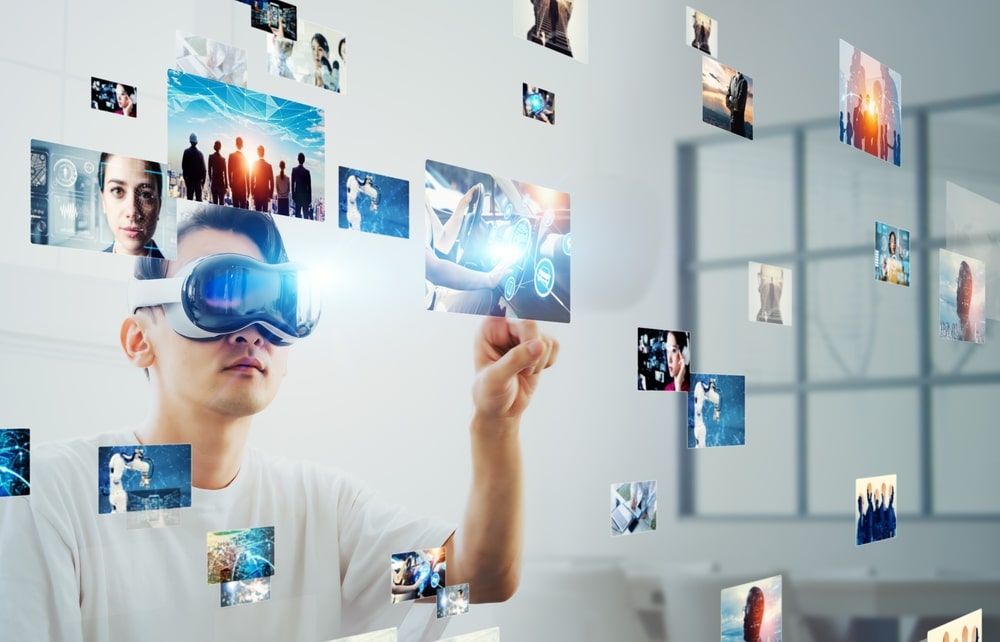
For decades, the idea of using a computer has remained largely unchanged. People sit in front of screens, interact through keyboards, mice, or touchscreens, and access digital information through windows and applications. However, technological innovation is beginning to challenge this familiar model. A new approach known as spatial computing is changing how humans interact with digital content by blending virtual experiences with the physical world. Instead of treating computers as separate devices, this technology makes digital information feel present within our surroundings. As adoption grows, it could fundamentally redefine what people consider a computer and how they use one every day.
A Shift Beyond Traditional Screens
The history of personal computing has largely been a story of screens. From desktop monitors to laptops, tablets, and smartphones, users have interacted with information through flat displays. While these devices have become more powerful and portable, the basic interaction model has remained surprisingly consistent.
Today, spatial computing offers a different path forward. Rather than confining digital experiences to a rectangle in front of us, it allows information to exist within three-dimensional environments. Virtual objects can appear on desks, walls, floors, or even alongside people. Users interact through gestures, eye tracking, voice commands, and movement rather than relying solely on physical hardware. This creates a more natural and intuitive relationship between people and technology, making digital content feel less separate from everyday life.
Why Technology Companies Are Investing Heavily
Major technology companies see enormous potential in immersive computing experiences. Advances in sensors, cameras, processors, and artificial intelligence have made it possible to accurately understand physical spaces in real time. This capability forms the foundation of spatial computing and enables digital elements to interact realistically with the surrounding environment.
Companies believe this technology could become the next major computing platform, much like smartphones transformed the industry in the late 2000s. Significant investments are being directed toward headsets, smart glasses, software platforms, and developer ecosystems. The goal is to create experiences that feel seamless and useful rather than experimental. While current hardware still faces challenges related to cost, comfort, and battery life, ongoing improvements suggest these obstacles may gradually diminish over time.
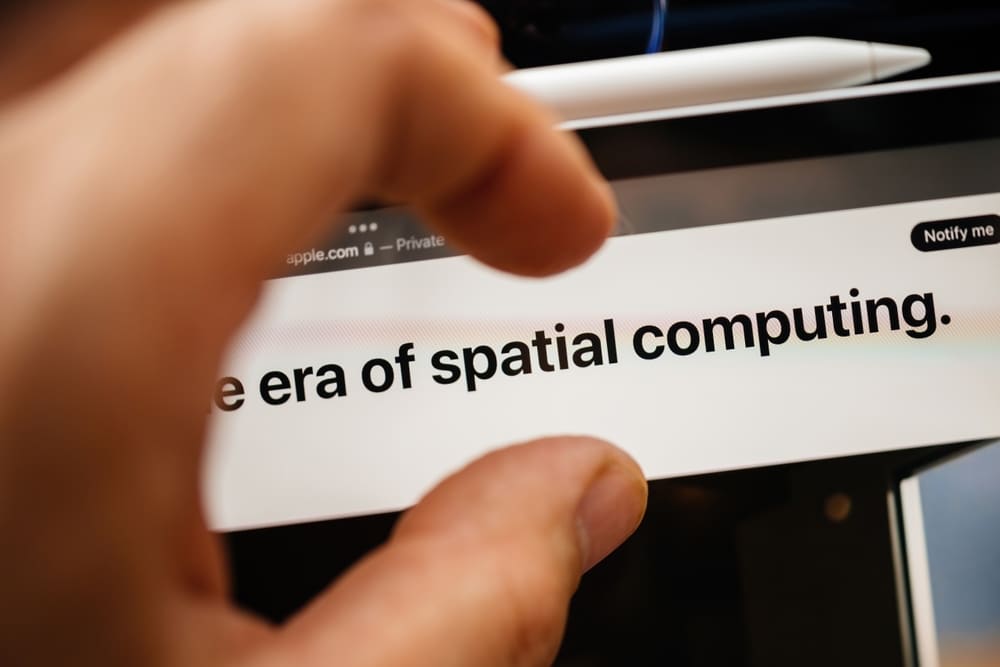
Changing the Way We Work
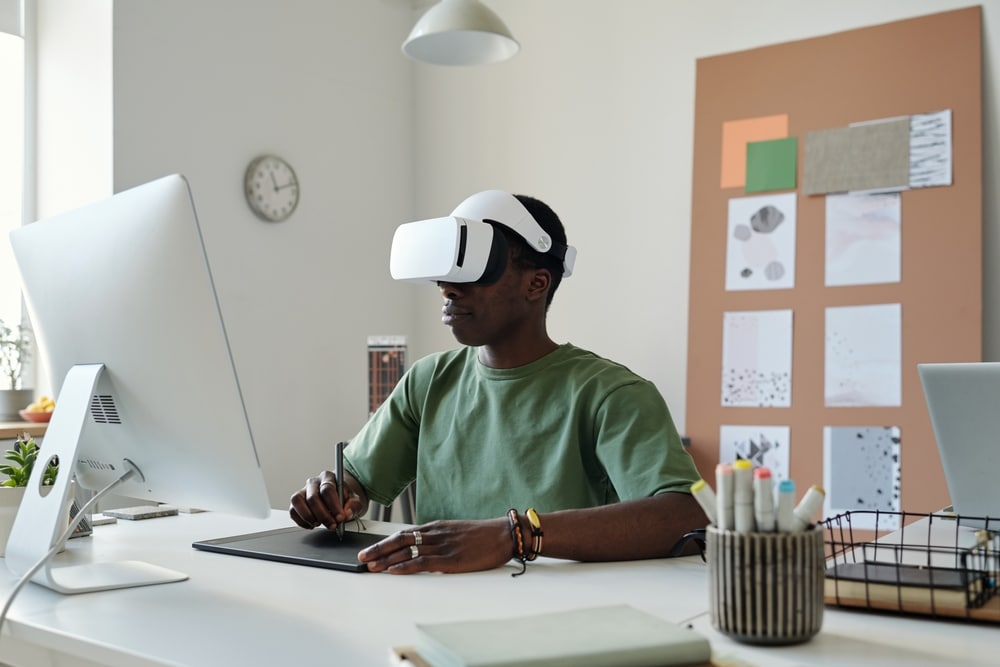
One of the most promising applications involves professional productivity. Traditional workspaces are often limited by physical screens and desk space. With spatial computing, workers can create multiple virtual displays that surround them without requiring additional hardware.
Architects can visualize building designs at full scale before construction begins. Engineers can collaborate on complex models from different locations. Medical professionals can examine detailed anatomical representations in three dimensions. Remote workers may feel more connected through virtual collaboration spaces that mimic in-person interactions. These capabilities could improve efficiency while making digital tools more accessible and flexible. As organizations continue exploring hybrid and remote work arrangements, immersive environments may become increasingly valuable.
Education and Learning in Three Dimensions
Education has always benefited from interactive experiences. Reading about a concept is useful, but seeing and manipulating it often leads to deeper understanding. New learning methods made possible by spatial computing could dramatically improve engagement across many subjects.
Students studying biology could explore virtual organs floating in front of them. History lessons might allow learners to walk through accurate recreations of ancient cities. Physics concepts can be demonstrated through interactive simulations that respond to user actions. Instead of passively consuming information, students become active participants in the learning process. This hands-on approach may improve retention and comprehension while making education more engaging for learners of different ages and backgrounds.
Entertainment Becomes More Immersive
Entertainment is often among the first industries to embrace emerging technologies, and immersive computing is no exception. Video games, films, and interactive experiences are evolving beyond traditional displays into environments that surround users.
Through spatial computing, games can transform living rooms into dynamic digital worlds. Characters can appear to occupy real spaces, while virtual objects interact with physical surroundings. Storytelling can become more personal and engaging because users are no longer simply observers. Instead, they become participants within the narrative. Beyond gaming, live events, sports broadcasts, and virtual tourism experiences are also being enhanced through immersive technologies. These developments create entirely new forms of entertainment that were previously impossible.
The Role of Artificial Intelligence
Artificial intelligence plays a critical role in making immersive environments practical and responsive. Computers must constantly interpret surroundings, recognize objects, understand user intentions, and adapt experiences accordingly. AI systems provide the intelligence needed to accomplish these tasks efficiently.
As spatial computing continues evolving, AI will likely become even more integrated into daily interactions. Virtual assistants may understand context more effectively because they can see and interpret the same environment as the user. Digital interfaces could automatically organize themselves based on individual preferences and tasks. This combination of immersive technology and intelligent software creates opportunities for more personalized and helpful computing experiences that require less effort from users.
Challenges That Still Need Solutions
Despite impressive progress, several obstacles remain before widespread adoption becomes a reality. Current devices are often expensive, bulky, and sometimes uncomfortable during extended use. Battery limitations can also restrict practical usage in everyday situations.
Privacy concerns represent another important challenge. Systems that continuously scan and analyze surroundings raise questions about data collection, storage, and security. Developers and regulators will need to establish clear standards that protect users while enabling innovation. Additionally, creating high-quality content requires significant investment from software developers and businesses. For spatial computing to achieve mainstream success, both hardware and software ecosystems must mature together. Addressing these issues will be essential for long-term growth and consumer trust.
Redefining What a Computer Actually Is
Perhaps the most fascinating aspect of this technological shift is how it challenges traditional definitions. Historically, a computer has been viewed as a physical device with a screen and input methods attached to it. That definition may no longer be sufficient.
In a future shaped by spatial computing, the computer itself may become nearly invisible. Digital experiences could exist throughout homes, workplaces, vehicles, and public spaces. Information would appear when needed and fade away when it is not. Instead of consciously using a device, people might simply interact with their environments. The boundaries between the physical and digital worlds would become increasingly blurred, creating experiences that feel more natural than anything available today.
Technology has repeatedly transformed how people communicate, learn, work, and entertain themselves. The rise of immersive digital environments represents another significant step in that ongoing evolution. While challenges remain, the momentum behind spatial computing continues to grow as hardware improves and new applications emerge. What makes this development particularly important is not just the technology itself, but the way it changes our relationship with computers. Rather than interacting through isolated screens, users can engage with information as part of their everyday surroundings. As this transition unfolds, society may eventually view computing not as something we access through devices, but as something seamlessly integrated into the world around us.
Do you want to learn more future tech? Than you will find the category page here