
The internet has always moved at an incredible pace. New platforms appear, trends explode overnight, and yesterday’s viral sensation is forgotten within days. Yet despite this constant push toward the future, the online world seems increasingly fascinated by the past. Scroll through social media and you will find old television clips, forgotten gadgets, early internet memes, and references to pop culture moments from decades ago. Much of this fascination is driven by nostalgia content, which has become one of the most powerful forces shaping digital culture. The question is simple: why does the internet keep looking backward when it was built to move forward?
The Rise of Nostalgia Content in the Algorithm Age
One of the biggest reasons the internet keeps revisiting the 2000s is that digital platforms reward familiarity. Social media algorithms are designed to maximize engagement, and people are naturally drawn to things they already recognize. When users see a reference to an old television show, a classic video game, or a song they loved as teenagers, they are more likely to stop scrolling, react, comment, and share.
This is where nostalgia content becomes extremely valuable. Platforms like TikTok, Instagram, YouTube, and Facebook constantly measure what keeps people engaged. Content that sparks emotional reactions tends to perform better than content that feels unfamiliar or disconnected. Revisiting the early internet, childhood memories, and cultural moments from the 2000s often creates an instant emotional connection.
For many adults, the 2000s represent a unique period of life. It was a time when technology was becoming mainstream but had not yet taken over every aspect of daily living. Social media existed, but it was less polished. Mobile phones were becoming common, but they were not yet powerful computers in our pockets. As a result, many people remember the era as simpler, more exciting, and more authentic than the present day. That emotional response makes nostalgia content highly effective across nearly every major platform.
The 2000s Were the First Fully Online Childhood
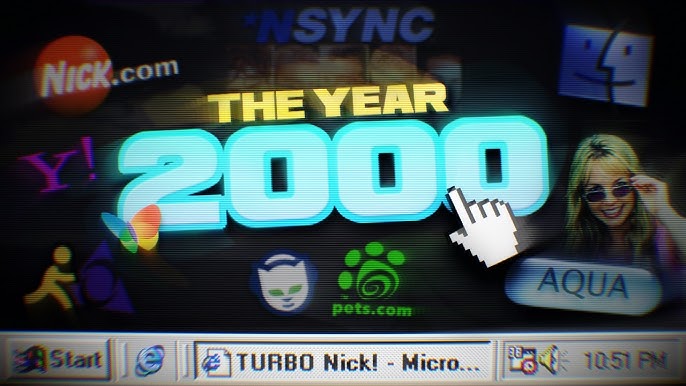
Another important reason for the internet’s obsession with the 2000s is that it was the first decade experienced by a generation growing up online. Previous generations had childhood memories tied mostly to television, music, and local culture. Millennials and older members of Generation Z also developed memories connected directly to the internet.
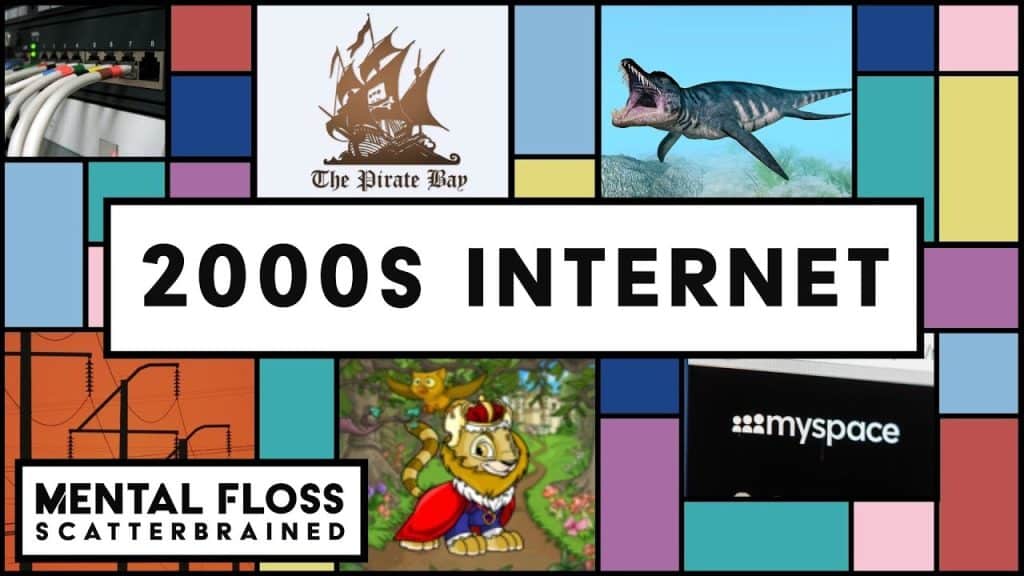
People remember logging into MSN Messenger after school, customizing MySpace profiles, downloading songs onto MP3 players, and watching early YouTube videos. These experiences were not just personal memories. They were shared cultural moments that millions of people experienced together.
As adults, those same users now dominate social media platforms and online discussions. They create videos, write articles, post memes, and participate in conversations about the things they loved growing up. The result is an endless stream of nostalgia content that continuously brings old internet culture back into public view.
The internet also preserves these memories better than previous forms of media. Old screenshots, videos, forum posts, and websites can often be rediscovered years later. Instead of fading away completely, pieces of digital history remain available for future generations to revisit and share.
Comfort During Uncertain Times
Periods of uncertainty often encourage people to look backward. Economic challenges, political tension, global events, and rapid technological change can make the present feel unstable. During these moments, people often seek comfort in memories associated with happier or less stressful periods of life.
Psychologists have long noted that nostalgia can provide emotional benefits. Remembering positive experiences can increase feelings of connection, meaning, and personal identity. It can also reduce feelings of loneliness and anxiety.
The internet amplifies this tendency because it makes collective memory easy to access. A single video featuring a popular cartoon, an old gaming console, or a familiar commercial can trigger thousands of comments from people sharing similar experiences. This shared emotional reaction helps explain why nostalgia content consistently performs well even during periods when entirely new trends are emerging.
At the same time, many people associate the 2000s with a sense of optimism. New technologies felt exciting rather than overwhelming. The internet seemed full of possibilities. Looking back at that period allows users to reconnect with those emotions, even if the memories are sometimes more positive than reality actually was.
How Streaming Services Keep the Past Alive
Streaming platforms have played a major role in bringing the 2000s back into public conversation. Unlike traditional television, streaming services allow viewers to instantly revisit older shows, movies, and documentaries whenever they want.
A teenager today can watch the same series that their parents watched twenty years ago. Meanwhile, adults can revisit favorite programs from childhood with only a few clicks. This easy access creates opportunities for older media to remain culturally relevant long after its original release.
When a classic show suddenly becomes popular on a streaming platform, social media discussions often follow. Fans create reaction videos, share memorable scenes, and discuss characters as though the show had just premiered. This cycle generates additional nostalgia content and introduces older entertainment to entirely new audiences.
Streaming companies also understand the commercial value of familiar franchises. Reboots, sequels, remakes, and reunion specials have become increasingly common because companies know audiences are already emotionally invested in these properties. The internet then magnifies these releases through discussions, memes, and fan communities.
Why Brands Love Nostalgia Content
Businesses have quickly learned that emotional marketing can be more effective than purely informational advertising. Consumers often respond more strongly to feelings than facts, making familiar memories a powerful marketing tool.
Companies regularly bring back discontinued products, retro packaging, and classic advertising campaigns. Fast food chains revive old menu items. Video game companies release updated versions of beloved titles. Toy manufacturers relaunch products that were popular decades ago.
The success of nostalgia content in marketing comes from its ability to create immediate emotional recognition. Consumers do not need extensive explanations because the product already carries personal meaning. A familiar logo, sound effect, or character can instantly trigger memories and positive associations.
This strategy is particularly effective online because social media encourages sharing. People enjoy showing friends and family reminders of products or experiences they remember. What begins as a marketing campaign can quickly become a viral conversation fueled by collective memories.
The Endless Cycle of Generational Influence
Every generation eventually reaches a point where its childhood memories become culturally influential. This pattern has existed long before the internet. Fashion trends return. Music styles are rediscovered. Older films gain new appreciation.
What makes the modern era different is the speed at which these cycles operate. Social media allows trends from the past to reappear almost instantly. A single creator can introduce an old trend to millions of viewers within days.
As Millennials gained purchasing power and influence, their childhood experiences naturally became more visible in media and entertainment. Now Generation Z is beginning to shape culture as well, bringing its own memories and preferences into the spotlight. The result is a constant flow of nostalgia content that reflects the experiences of different age groups.
Interestingly, younger audiences often become interested in eras they never personally experienced. Many teenagers today enjoy early 2000s fashion, music, and technology despite being too young to remember them firsthand. This creates a unique mix of genuine memory and cultural curiosity.
The Difference Between Remembering and Romanticizing
While nostalgia can be enjoyable, it is important to recognize that memories are not always perfectly accurate. People tend to remember positive experiences more vividly than negative ones. As a result, the past can sometimes appear better than it actually was.
The internet often contributes to this effect by highlighting the most appealing parts of previous decades. Old technology is remembered for its charm rather than its limitations. Popular entertainment is remembered for its best moments rather than its flaws. Cultural trends are presented through carefully selected examples.
Even so, this does not mean nostalgia is harmful. In many cases, it provides valuable context for understanding how society has changed. Looking back helps people appreciate technological progress, cultural evolution, and personal growth.
The popularity of nostalgia content reflects more than simple longing for the past. It also represents an effort to understand where current culture came from and how shared experiences continue to shape identity in the digital age.
Looking Ahead While Looking Back
The internet’s fascination with the 2000s is unlikely to disappear anytime soon. As long as people continue seeking emotional connections, familiar memories will remain a powerful source of engagement. Digital platforms, streaming services, marketers, and content creators all benefit from revisiting moments that audiences already care about.
At the same time, every generation eventually creates its own archive of memories. The trends that dominate today will someday become historical references shared by future users. What feels current now may eventually become the next wave of online nostalgia.
In that sense, nostalgia content is not simply about the past. It is also about preserving experiences that matter to people and sharing them with others who understand their significance. The internet keeps reaching back into the 2000s because those years helped shape modern digital culture. As long as those memories continue to resonate, nostalgia content will remain one of the internet’s favorite ways to connect the past with the present.
Do you want to learn more viral trends to improve your daily live? Than you will find the category page here