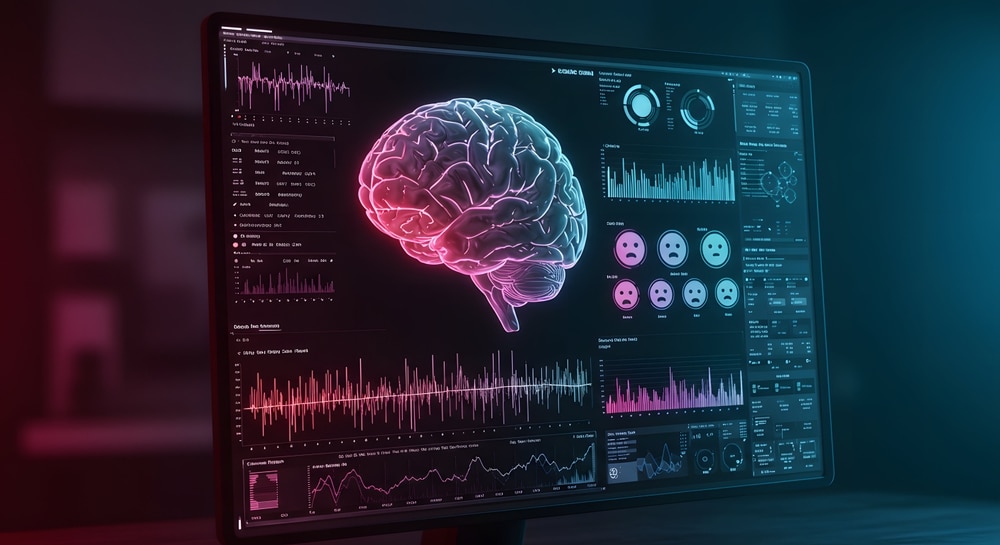
The idea of controlling technology with nothing but your mind once belonged purely to science fiction. Today, that concept is becoming increasingly real through the development of brain computer interface systems. These technologies allow direct communication between the human brain and external devices, bypassing traditional physical inputs like keyboards or touchscreens. Brain computer interface innovation is advancing rapidly, offering new possibilities in healthcare, communication, and daily life. As this field grows, it raises fascinating questions about how humans and machines might interact in the future.
What Is a Brain Computer Interface
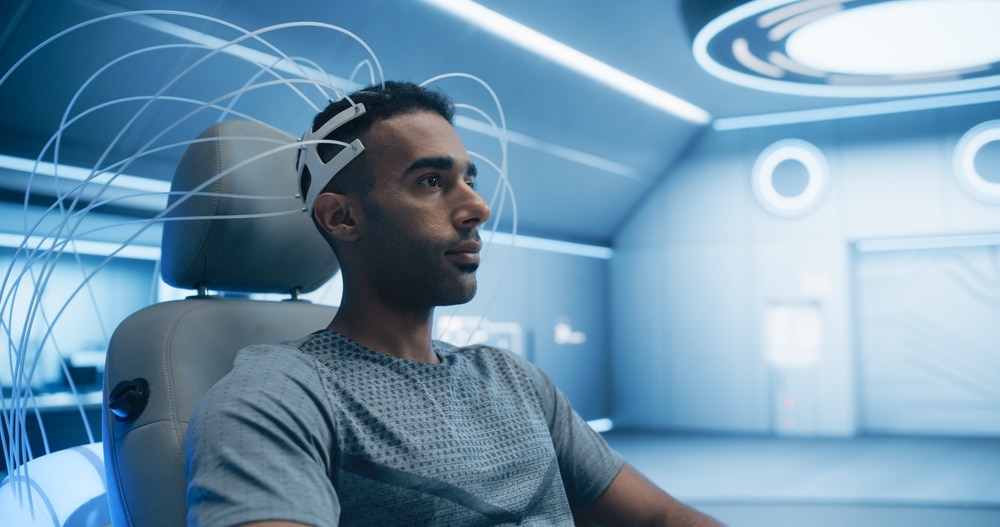
A brain computer interface is a system that translates brain signals into commands that a computer or device can understand. It works by detecting neural activity, often through sensors placed on or inside the brain, and converting that activity into digital information. brain computer interface technology can then use this information to control devices such as computers, prosthetics, or even smart home systems. The goal is to create a seamless connection between thought and action, allowing users to interact with technology in a more direct and intuitive way than ever before.
How the Technology Actually Works
At a technical level, these interfaces captures electrical signals produced by neurons in the brain. These signals are analyzed using algorithms that identify patterns associated with specific thoughts or intentions. brain computer interface systems then translate these patterns into commands, such as moving a cursor or selecting an option on a screen. brain computer interface development relies heavily on machine learning to improve accuracy over time. As the system learns from repeated use, it becomes better at interpreting the user’s intentions, making the interaction smoother and more reliable.
Early Uses in Medicine and Accessibility
One of the most impactful applications of brain computer interface technology is in the medical field. It has already been used to help individuals with paralysis regain some level of independence by controlling prosthetic limbs or communication devices. Interface systems can allow patients to type messages or move robotic arms using only their thoughts. This has opened new possibilities for people who previously had limited ways to interact with the world. The technology is still evolving, but its potential to improve quality of life is already clear.
Expanding Beyond Healthcare Applications
While healthcare remains a primary focus, brain computer interface technology is expanding into other areas. Researchers and companies are exploring how it can be used for gaming, virtual reality, and everyday computing. brain computer interface systems could eventually allow users to navigate digital environments or control devices without any physical input. brain computer interface innovation in entertainment could create more immersive experiences, where actions are driven directly by thought. This expansion shows that the technology is not limited to medical use but could become part of mainstream consumer experiences.
The Potential for Faster Communication
One of the most exciting possibilities of this technology is the ability to communicate more quickly and efficiently. Instead of typing or speaking, users could transmit ideas directly from their minds to a device. brain computer interface systems could reduce the time it takes to share information, making communication almost instantaneous. This could have significant implications for productivity, collaboration, and even language barriers. However, achieving this level of seamless communication requires overcoming technical and ethical challenges that are still being explored.
Privacy and Ethical Concerns
As powerful as brain computer interface technology is, it also raises serious concerns about privacy and ethics. Accessing brain signals means dealing with highly sensitive data that reflects thoughts and intentions. brain computer interface systems must ensure that this information is protected and used responsibly. There are also questions about consent, data ownership, and the potential misuse of the technology. As development continues, clear regulations and ethical guidelines will be essential to ensure that the advancements benefit society without compromising individual rights.
Challenges in Making It Mainstream
Despite its potential, brain computer interface technology faces several challenges before it can become widely adopted. Current systems can be expensive, complex, and sometimes invasive, requiring surgical procedures for the most advanced capabilities. brain computer interface research is focused on making devices more accessible, affordable, and user friendly. brain computer interface improvements in non invasive methods are particularly important for broader use. Overcoming these challenges will determine how quickly the technology can move from specialized applications to everyday life.
How It Could Change Daily Life
If brain computer interface technology becomes mainstream, it could fundamentally change how people interact with devices. Tasks like sending messages, controlling smart home systems, or browsing the internet could be done entirely through thought. brain computer interface systems might eliminate the need for traditional interfaces like screens and keyboards. This shift could make technology more accessible and efficient, especially for people with physical limitations. However, it also requires users to adapt to a new way of interacting with the digital world, which may take time and adjustment.
The Future of Human and Machine Interaction
Looking ahead, brain computer interface technology could redefine the relationship between humans and machines. As systems become more advanced, they may enable deeper integration between biological and digital processes. brain computer interface development could lead to new forms of interaction that feel almost natural, blurring the line between thought and action. brain computer interface innovation may also open the door to entirely new capabilities, such as enhanced memory or cognitive support. While these possibilities are still speculative, they highlight the transformative potential of this technology.
A New Way to Connect With Technology
The development of brain computer interface technology represents a significant step forward in how humans interact with machines. By enabling direct communication between the brain and devices, it offers a more intuitive and efficient way to control technology. brain computer interface systems have already shown promise in healthcare and are expanding into other areas of life. While challenges remain, the progress being made suggests that this technology could become a major part of the future. As it evolves, brain computer interface innovation will continue to shape how we think about control, communication, and connection.
Do you want to learn more future tech? Than you will find the category page here