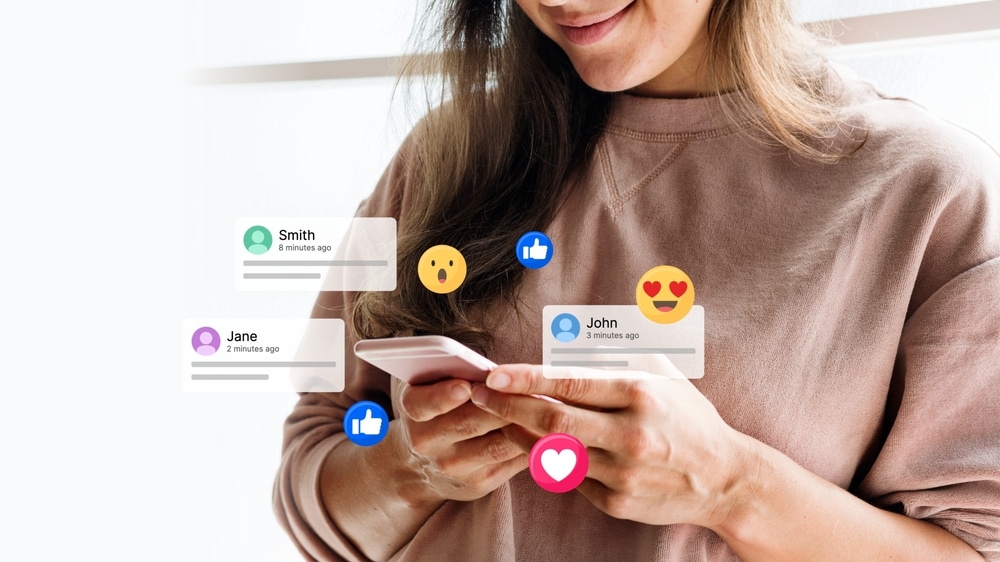
Every ping, buzz, and pop up on your phone may seem harmless, but over time they add up to something more serious. notification fatigue is becoming a common experience in a world where digital interruptions never seem to stop. From social media alerts to work emails, people are constantly being pulled in different directions. This steady stream of information can quietly overwhelm the brain, reducing focus and increasing stress. While notifications were designed to keep us informed, they are now starting to work against our mental clarity in subtle but powerful ways.
What Is Notification Fatigue
At its core, notification fatigue refers to the mental exhaustion caused by excessive alerts and digital interruptions. It happens when the brain is forced to repeatedly shift attention from one task to another. Notification fatigue is not just about annoyance, it is about cognitive overload. Each notification demands a small amount of mental energy, and when these interruptions happen frequently, they begin to drain your ability to concentrate. Over time, this can lead to reduced productivity, frustration, and even a sense of constant distraction that is hard to escape.
Why Your Brain Struggles With Constant Alerts
The human brain is not designed to handle continuous interruptions. It thrives on focused attention and clear tasks, but notification fatigue disrupts this natural rhythm. Every time a notification appears, your brain has to pause, process the new information, and then attempt to return to the original task. This process is not seamless, and it often leads to mistakes or slower thinking. Notification fatigue can make even simple tasks feel more difficult because your attention is constantly being divided. The result is a mental environment where deep focus becomes increasingly rare.
The Science Behind Digital Distractions
Research in cognitive psychology shows that switching between tasks reduces efficiency and increases mental strain. Notification fatigue plays directly into this problem by forcing frequent task switching. Even brief interruptions can have lasting effects on concentration. Studies suggest that it can take several minutes to fully regain focus after being distracted. Notification fatigue amplifies this effect by creating a constant loop of interruptions. This means that your brain is rarely operating at full capacity, even if you feel like you are staying busy throughout the day.
How Notifications Affect Your Mood
Beyond productivity, notification fatigue can also impact your emotional well being. Constant alerts can create a sense of urgency, making you feel like you always need to respond immediately. This pressure can lead to stress and anxiety over time. Notification fatigue may also contribute to feelings of being overwhelmed, especially when notifications pile up faster than you can handle them. Instead of feeling connected, you may start to feel controlled by your devices. This emotional toll is one of the less obvious but more significant consequences of constant digital interruptions.
The Role of Social Media and Apps
Modern apps are designed to capture attention, and notifications are one of their most effective tools. Social media platforms, messaging apps, and even productivity tools all compete for your focus. Notification fatigue is often the result of this competition, as each app tries to pull you back in. The more apps you use, the more notifications you receive, creating a cycle that is difficult to break. Notification fatigue becomes almost inevitable in this environment, where every service is optimized to keep you engaged for as long as possible.
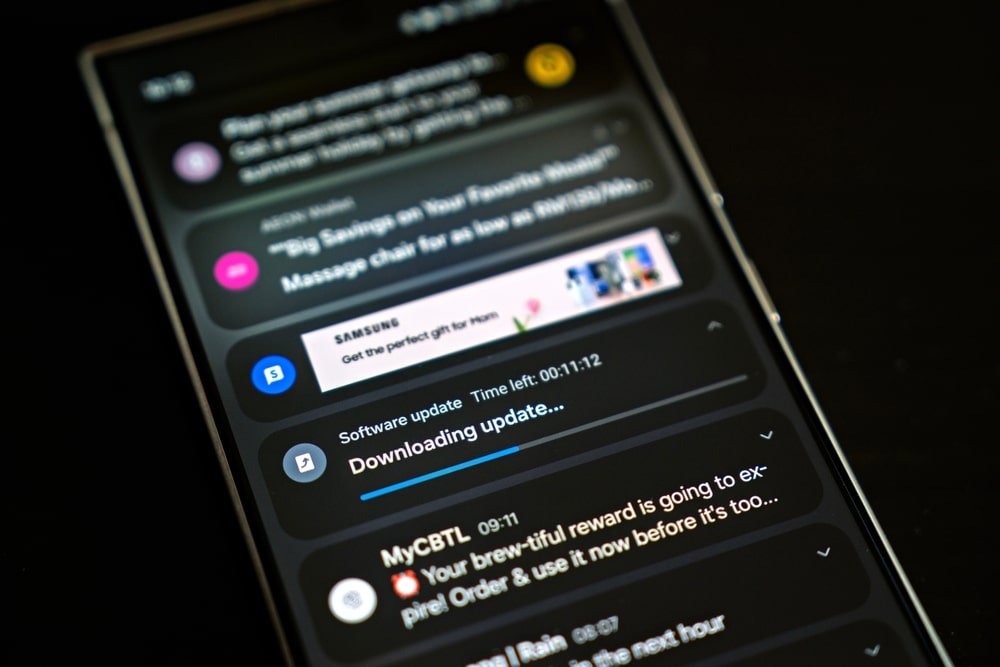
Signs You Might Be Experiencing It
Recognizing notification fatigue is the first step toward addressing it. Common signs include difficulty concentrating, feeling stressed by constant alerts, and checking your phone without thinking. You may also notice that you are less productive or more easily distracted than before. Notification fatigue can even affect your sleep if notifications continue late into the evening. These symptoms often build gradually, making them easy to overlook until they start to significantly impact your daily life and overall mental clarity.
Simple Ways to Reduce the Overload
Fortunately, there are practical steps you can take to manage notification fatigue. Turning off non essential notifications is one of the most effective strategies. You can also schedule specific times to check messages instead of responding instantly. Notification fatigue can be reduced by creating boundaries between your digital and personal time. For example, keeping your phone out of reach while working or sleeping can make a noticeable difference. Small changes like these can help restore a sense of control over your attention and reduce unnecessary mental strain.
How Work Culture Contributes to the Problem
In many workplaces, constant communication is seen as a sign of productivity. However, this expectation often fuels notification fatigue. Employees may feel pressured to respond तुरंत to emails and messages, even outside of working hours. Notification fatigue becomes part of the work environment, making it harder to focus on meaningful tasks. Companies are starting to recognize this issue and are exploring ways to reduce unnecessary communication. Encouraging focused work time and limiting after hours notifications can help create a healthier balance.
The Long Term Impact on Mental Health
If left unaddressed, notification fatigue can have lasting effects on mental health. Chronic distraction can lead to burnout, reduced creativity, and difficulty maintaining focus over time. Notification fatigue may also contribute to feelings of dissatisfaction, as constant interruptions prevent you from fully engaging in activities. Over the long term, this can affect both personal and professional life. Understanding these risks highlights the importance of managing notifications before they become a deeper problem that is harder to reverse.
The constant stream of alerts in modern life is not going away, but how you respond to it can make a big difference. notification fatigue is a growing issue that affects focus, mood, and overall well being. By becoming more aware of how notifications impact your brain, you can take steps to reduce their influence. Notification fatigue does not have to control your daily experience. With small adjustments and mindful habits, it is possible to regain focus, reduce stress, and create a healthier relationship with technology.
Looking for more Digital Productivity hacks? Check them here!