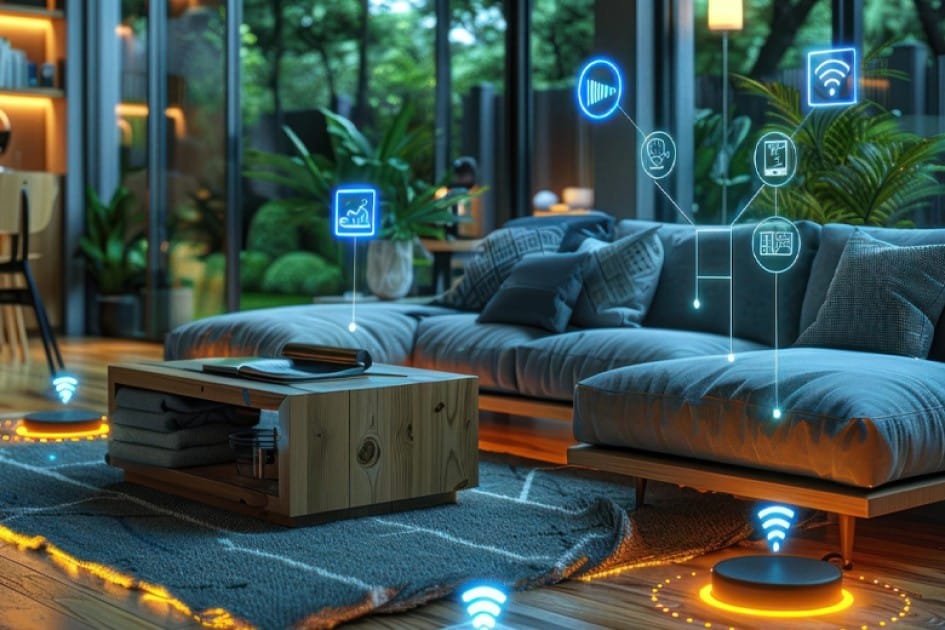
The way we interact with technology is quietly shifting, and many people are starting to notice that screens are no longer the center of everything. Phones, laptops, and tablets have dominated our attention for decades, but a new idea is taking shape in the background. This idea is called ambient computing, and it focuses on technology that blends into daily life instead of demanding constant focus. Rather than staring at displays, we are moving toward a world where devices respond to us naturally. This change is not sudden, but it is powerful, and it could reshape how we live, work, and communicate.
The End of Screen-Centered Thinking
For years, screens have been the main gateway to digital experiences. From checking messages to watching videos, nearly every interaction required looking at something. But this approach has limits. Screens demand attention, and attention is a limited resource. As people become more aware of digital fatigue, companies are exploring alternatives. This is where ambient computing begins to stand out as a new direction for technology.
Instead of requiring users to open apps and navigate interfaces, systems are being designed to work quietly in the background. Think of voice assistants, smart lighting, or devices that adjust themselves based on your habits. These are early examples of ambient computing in action. The goal is not to eliminate screens entirely, but to reduce our dependence on them.
What Ambient Computing Really Means
At its core, ambient computing is about making technology feel invisible. Devices are still there, but they do not interrupt your day. They respond to context, behavior, and environment without needing constant input. This creates a more natural interaction between humans and machines.
For example, instead of setting an alarm manually, your system might learn your schedule and wake you up at the right time. Instead of adjusting your thermostat, your home already knows your preferences. These small changes add up to a much smoother experience. The idea is simple, but the impact is huge. Ambient computing allows technology to become part of the environment rather than something separate from it.

How Artificial Intelligence Powers the Shift
One of the main reasons ambient computing is becoming possible is the rapid growth of artificial intelligence. AI systems can analyze patterns, understand speech, and make predictions based on data. This makes it easier for devices to act without direct commands.
Machine learning plays a key role here. By studying user behavior over time, systems can anticipate needs before they are expressed. For instance, your music might start playing when you enter a room, or your car might suggest the fastest route before you even ask. Without AI, ambient computing would not function effectively. The intelligence behind the scenes is what allows everything to feel seamless and intuitive.
The Role of Smart Devices in Everyday Life
Smart devices are already laying the foundation for ambient computing. From smart speakers to wearable technology, these tools are becoming more common in households around the world.
A smartwatch that tracks your health or a speaker that answers questions instantly are not just convenient gadgets. They are stepping stones toward a larger ecosystem. Each device collects and shares information, creating a network that works together. As this network grows, ambient computing becomes more powerful. Instead of isolated devices, we get connected systems that understand us better over time.
Why People Are Ready for This Change
There is a growing desire for simpler and more natural interactions with technology. Many people feel overwhelmed by notifications, apps, and constant screen time. This creates an opportunity for ambient computing to offer a better alternative.
By reducing the need for active engagement, technology becomes less stressful. It supports users instead of competing for their attention. This shift is especially appealing in a world where people are trying to balance productivity and well-being. Ambient computing fits into this mindset perfectly. It offers convenience without distraction, which is something many users are actively seeking.

Challenges That Still Need to Be Solved
Even though ambient computing sounds promising, it is not without challenges. Privacy is one of the biggest concerns. When devices are always listening or collecting data, users may worry about how that information is used. Security is another issue. A connected environment creates more entry points for potential threats. Companies need to ensure that systems are safe and reliable.
There is also the challenge of accuracy. For ambient computing to work well, it needs to understand users correctly. Mistakes can lead to frustration rather than convenience. These challenges are not impossible to solve, but they require careful design and strong regulations.
Industries That Will Be Transformed
Many industries are already exploring how ambient computing can improve their services. Healthcare is a great example. Doctors can use smart systems to monitor patients remotely, reducing the need for hospital visits. In retail, stores can create personalized shopping experiences based on customer behavior. In transportation, vehicles can become smarter and more responsive to drivers.
Even workplaces are changing. Offices can adjust lighting, temperature, and schedules automatically to improve productivity. Ambient computing is not limited to one field. Its influence is spreading across multiple sectors, making everyday experiences more efficient.
The Gradual Disappearance of Screens
It is important to understand that screens are not going to vanish overnight. Instead, their role will change. They will become just one part of a larger system rather than the main focus.
For example, instead of checking your phone for updates, information might be delivered through voice or subtle notifications. Instead of browsing menus, you might simply ask for what you need. Ambient computing shifts the balance. Screens become optional instead of essential. This creates a more flexible and user-friendly experience.
What This Means for the Future
Looking ahead, ambient computing has the potential to redefine how we think about technology. It moves us away from devices and toward environments that support us automatically.
This could lead to more personalized experiences, better efficiency, and less digital stress. However, it also requires trust. Users need to feel comfortable with systems that operate in the background. As technology continues to evolve, ambient computing will likely become more refined and widespread. It may not replace screens completely, but it will change how we use them.
The Human Side of Technology
One of the most interesting aspects of ambient computing is how it brings technology closer to human behavior. Instead of forcing people to adapt to machines, machines are adapting to people.
This creates a more natural relationship between users and devices. It also opens the door to new possibilities, such as more intuitive communication and better accessibility for those who struggle with traditional interfaces. Ambient computing is not just about convenience. It is about creating technology that feels more human.
The idea that screens might fade into the background once seemed unrealistic, but today it feels increasingly possible. As technology becomes more advanced, the focus is shifting toward experiences that are seamless and less intrusive. Ambient computing is at the center of this transformation, offering a glimpse of a future where devices work quietly around us. While there are still challenges to overcome, the direction is clear. We are moving toward a world where technology supports us without demanding constant attention, and that change could make everyday life feel simpler, calmer, and more connected.
Do you want to learn more future tech? Than you will find the category page here