You’re sitting on the couch after a long day, not really thinking about how you feel. You open Spotify, and somehow it already knows. A slow, mellow playlist appears. Your smartwatch buzzes, suggesting you take a moment to breathe. Even your phone screen dims slightly, as if it understands you’re not in the mood for brightness.
It feels convenient. Almost comforting.
But then a strange thought creeps in—how did it know?
Welcome to the world of mood predicting tech, where your devices don’t just respond to your actions anymore… they anticipate your emotions before you’ve even processed them yourself. It’s one of the fastest-growing areas in digital culture right now, quietly weaving itself into the apps and devices you already use every day. And while it promises a more personalized, supportive digital experience, it also raises a question that’s hard to ignore.
Is this the future we want… or is it crossing a line?
What Is Mood Predicting Tech?
At its core, mood predicting tech is exactly what it sounds like—technology that uses data to figure out how you’re feeling, often before you consciously realize it yourself. But unlike basic personalization, this goes much deeper than just recommending content based on what you clicked yesterday.
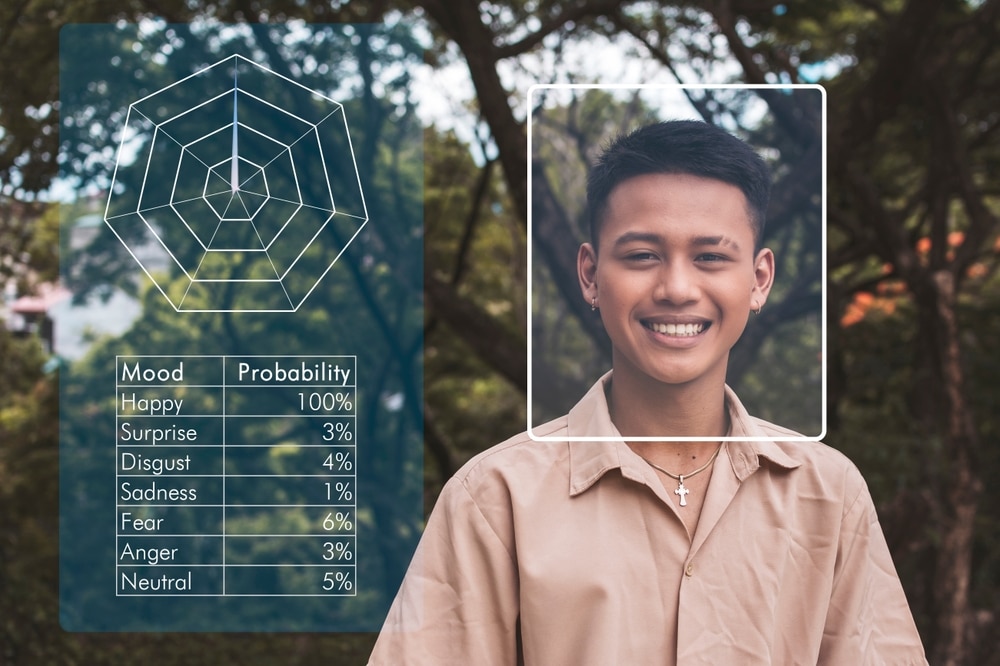
This technology pulls from a surprising range of signals. Your heart rate, your sleep patterns, the speed at which you type, the tone of your voice during a call, even how long you pause between scrolling moments. All of these tiny behavioral clues are collected and analyzed by algorithms trained to recognize emotional patterns.
Over time, these systems begin to build a kind of emotional profile. Not just what you like, but how you react. When you’re stressed. When you’re bored. When you’re at your best.
And once that pattern is established, the tech doesn’t just observe anymore—it predicts.
How Does It Actually Work?
Behind the scenes, mood predicting tech is powered by a combination of artificial intelligence, behavioral tracking, and biometric data. It starts quietly, with data collection that most users barely notice. Your smartwatch tracks your heart rate variability, your phone logs your usage habits, and apps monitor your interactions down to the smallest detail.
From there, machine learning models step in. These systems are trained on massive datasets to recognize correlations between behavior and emotional states. For example, a drop in typing speed combined with increased late-night phone usage might signal fatigue or stress. A spike in activity paired with upbeat music choices might indicate a positive mood.
The final step is where things get interesting. Once the system detects a pattern, it acts on it. It might suggest content, adjust settings, send notifications, or even subtly change your digital environment. Some platforms are already experimenting with interfaces that shift based on your emotional state, creating a kind of adaptive experience that feels almost human.
And that’s where the “wow” factor starts to kick in.
The “Wow” Factor: Why People Love It
There’s something undeniably appealing about technology that seems to understand you. Not just your preferences, but your emotional state in real time. For many people, mood predicting tech feels like a step toward a more supportive digital world.
Imagine your smartwatch noticing signs of stress and gently nudging you to take a break before you burn out. Or your favorite app suggesting calming content exactly when you need it, without you having to search for it. In mental health spaces, this kind of technology is already being explored as a tool for early intervention, helping people recognize patterns they might otherwise miss.
It also creates a smoother, more personalized experience. Instead of constantly making choices, the technology adapts to you. Your environment feels tailored, intuitive, almost effortless. For a generation used to frictionless digital experiences, this feels like a natural evolution.
But convenience has a way of blurring boundaries.
The Creepy Side No One Talks About
The same features that make mood predicting tech feel helpful can also make it feel… unsettling. Because for technology to predict your emotions, it has to know you on a deeply personal level. And not just the version of you that you choose to present, but the raw, unfiltered signals you don’t even realize you’re giving off.
That raises a difficult question—who else has access to that information?
If an app can detect when you’re feeling vulnerable, it could also use that moment to influence you. Not necessarily in obvious ways, but through subtle nudges. A perfectly timed ad. A piece of content designed to keep you engaged just a little longer. The line between helpful personalization and emotional manipulation becomes thinner than we’d like to admit.
There’s also the constant presence of being watched, even if it’s by an algorithm. Knowing that your mood is being analyzed in the background can shift how you interact with technology altogether. It turns something personal—your emotions—into data points.
And once something becomes data, it rarely stays private forever.
Are We Already Using It Without Realizing?
Here’s the twist: we’re not moving toward a future with mood predicting tech. We’re already in it.
Think about how TikTok seems to understand your mood within minutes of scrolling. Or how Netflix somehow suggests exactly the kind of show you’re in the mood for on a random evening. Even your music streaming apps have become eerily good at matching your emotional state.
These systems may not always be labeled as mood predicting tech, but they rely on the same underlying principles. Behavioral tracking, pattern recognition, and predictive algorithms are already shaping your digital experience in ways that go far beyond simple recommendations.
What’s changing now is the level of precision. The technology is becoming more direct, more personal, and more aware.
And that’s where things start to feel different.
Where Is This Going Next?
If current trends are anything to go by, mood predicting tech is only getting started. The next wave of innovation is likely to move beyond screens and into your physical environment, creating experiences that adapt in real time to how you feel.
Imagine walking into your home after a stressful day and the lighting automatically softens, your favorite calming playlist starts playing, and the temperature adjusts to your comfort. Or stepping into a car that senses your mood and chooses music or driving settings to match it.
There’s also growing interest in AI companions that can respond emotionally, offering support that feels more human than anything we’ve seen before. These systems won’t just react to your commands—they’ll anticipate your needs based on how you feel.
It sounds impressive. Maybe even comforting.
But it also raises the stakes.
So… Helpful Innovation or Just Creepy?
The truth is, mood predicting tech sits right on the edge between something genuinely useful and something potentially intrusive. It has the power to make our lives easier, more personalized, and even healthier. But it also introduces a level of insight into our emotional lives that we’ve never had to share before.
Whether it feels helpful or creepy ultimately comes down to control. Who owns the data? How transparent are these systems? And most importantly, how much say do you have in what they know about you?
Because once technology starts to understand your emotions, it’s no longer just a tool. It becomes something closer to a silent observer—always learning, always adapting.
And maybe the real question isn’t whether it’s helpful or creepy.
Maybe it’s whether we’re ready for technology that knows us that well.