Imagine receiving a text message from your late grandmother. Her voice, her humor, her way of saying “have you eaten today?” — all perfectly intact. Now imagine that message was generated by an AI trained on her emails, social media posts, and voice recordings. This is no longer the plot of a science fiction film. This is the world we are rapidly moving into, and at the center of it is a concept that is equal parts fascinating and unsettling: the digital clone.
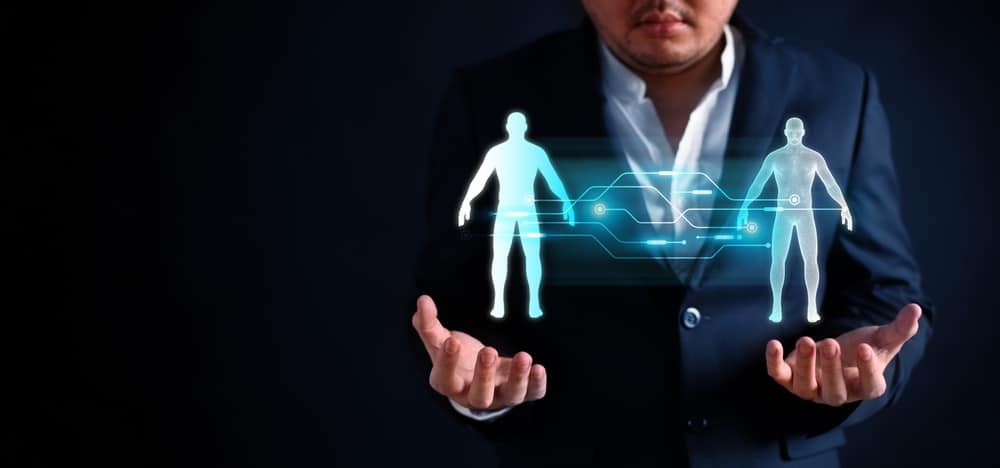
A digital clone is an AI-powered replica of a real person, built from their data — their texts, videos, voice recordings, behavioral patterns, and writing style. As artificial intelligence becomes more sophisticated, these digital personas are evolving from novelty chatbots into eerily accurate representations of real human beings. The question is no longer can we create them. The real questions are: should we? And what happens when the person being cloned is no longer alive?
What Exactly Is a Digital Clone?
A digital clone, also referred to as an AI persona or a “griefbot,” is a machine-learning model trained on a specific individual’s data to simulate that person’s communication style, personality, and knowledge. Unlike a general AI assistant, a digital clone is not designed to be helpful in a broad sense — it is designed to be someone.
The ingredients for creating a digital clone typically include:
- Text conversations, emails, and social media posts
- Audio and video recordings
- Documented preferences, opinions, and decision-making patterns
- Photographs (for visual rendering in video-based clones)
The result can range from a simple chatbot that mimics someone’s texting style to a photorealistic, voice-accurate avatar that can hold real-time conversations. Companies like HereAfter AI, StoryFile, and Replika have been building in this space for years. More recently, tools powered by large language models have made the barrier to creating a basic digital clone almost nonexistent.
The Technology Driving the Digital Clone Revolution
To understand how far digital clone technology has come, it helps to understand the tools behind it.
Large Language Models (LLMs) like the ones powering modern AI systems can be fine-tuned on personal data. Feed an LLM thousands of someone’s emails and chat logs, and it can learn to generate responses that sound remarkably like that person. The style, the vocabulary, the cadence — all of it can be approximated with striking accuracy.
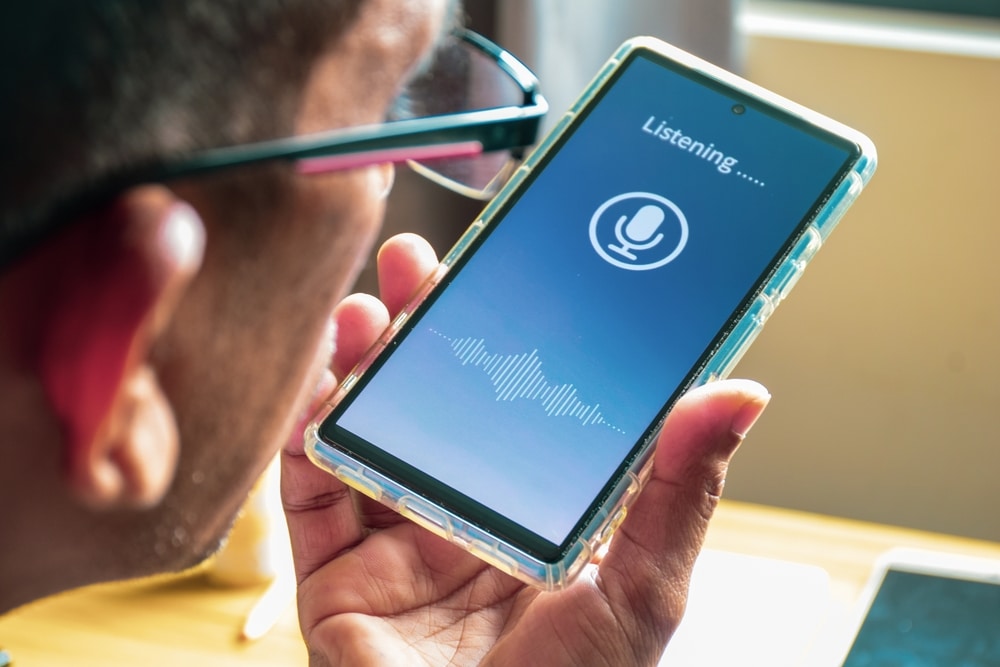
Voice cloning technology, now available through tools like ElevenLabs and others, can replicate a person’s voice from as little as a few minutes of audio. Pair that with a fine-tuned language model and you have a digital clone that can speak as well as write.
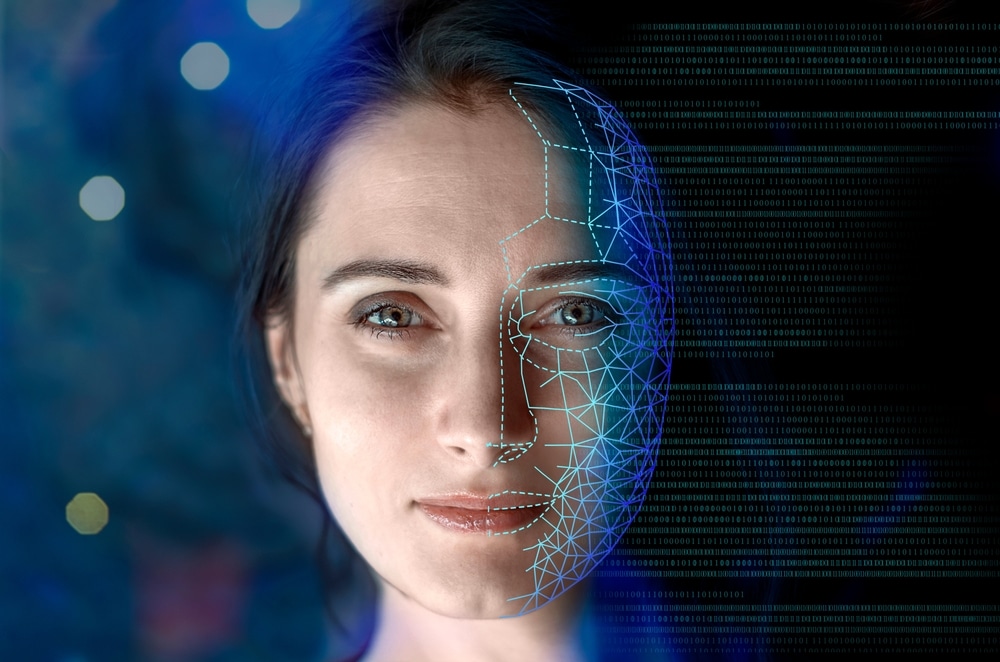
Deepfake video generation takes this a step further, producing video footage of a person saying things they never said, with convincing facial expressions and lip movements. When combined with the above, the result is a full audiovisual digital persona that can operate in real time.
The convergence of these technologies means that a comprehensive digital clone is no longer a project requiring millions of dollars and a team of engineers. It is increasingly accessible to individuals and small companies.
Why Are People Creating Digital Clones?
There are several distinct use cases driving the rise of digital clones, each with its own set of motivations and ethical considerations.
Grief and Remembrance
Perhaps the most emotionally charged use case is the creation of post-mortem digital clones — AI replicas of people who have died. Families are beginning to use companies that offer “digital legacy” services, preserving a loved one’s personality and communication patterns so that future generations can interact with them.
In 2021, a Microsoft patent described technology that could create a chatbot modeled after a deceased person using their social data. While Microsoft stated they had no immediate plans to launch such a product, it sparked a global conversation about the ethics of digital afterlife.
For many grieving individuals, a digital clone offers a form of comfort — a way to continue a relationship that death interrupted. For others, it raises disturbing questions about consent, closure, and the psychological impact of refusing to let go.
Entertainment and Creator Economy
Celebrities and influencers are creating digital clones of themselves to extend their reach. An AI-powered version of a creator could respond to fans, generate content, or appear in advertising — all without requiring the real person’s time. Several musicians have already released AI-generated songs using their own voice models, and digital avatars of performers have headlined virtual concerts.
This raises thorny intellectual property questions: who owns a digital clone? Can a label clone an artist without their consent? What rights does a person have over their AI likeness?
Education and Historical Preservation
Institutions are experimenting with digital clones for educational purposes. Imagine studying history by having a conversation with an AI modeled after Albert Einstein, trained on his letters and writings. The USC Shoah Foundation has created interactive experiences using recorded Holocaust survivors, allowing future generations to ask questions and receive answers drawn from real testimony.
These applications feel largely positive — they preserve knowledge and human experience in an accessible way. But even here, questions arise about accuracy, context, and the risk of putting words in someone’s mouth.
Business and Productivity
In the corporate world, executives and thought leaders are exploring digital clones as a way to scale their presence. A CEO’s AI clone could handle internal Q&As, appear in training videos, or respond to common employee queries — all in the leader’s authentic voice and style.
The Ethical Minefield of Digital Cloning
The rise of the digital clone does not come without serious ethical concerns. These fall into several key categories.
Consent
The most fundamental issue is consent. Did the person being cloned agree to be replicated? In the case of deceased individuals, this is especially complicated. A person may have left behind a treasure trove of data — but that doesn’t mean they would have wanted it used to create an AI version of themselves.
Some companies are now encouraging people to proactively create their own digital clone while alive, effectively giving informed consent. But for the vast majority of people who have already passed, there is no framework for retroactive consent.
Psychological Impact
Grief is a natural and necessary human process. There is genuine concern among psychologists that interacting with a digital clone of a deceased loved one could interfere with healthy grieving. Rather than working through loss, a person might become dependent on the AI replica, preventing the emotional processing that leads to healing.
On the flip side, some mental health professionals argue that these tools could offer a gentle bridge for people who struggle with abrupt loss — particularly in cases of sudden death where there was no opportunity for goodbye.
Misinformation and Manipulation
A digital clone in the wrong hands is a powerful tool for harm. A convincing AI replica of a political figure, a business leader, or even an ordinary person could be used to spread false information, manipulate markets, or commit fraud. The line between a legitimate digital persona and a malicious deepfake is thin, and the technology for creating both is virtually identical.
Identity and Autonomy
Even when a digital clone is created with good intentions, it raises profound questions about identity. A simulation of a person, no matter how accurate, is not that person. It cannot grow, change, or be held accountable. When we interact with a digital clone, are we connecting with the person — or with a frozen, curated version of who they once were?
Legal Frameworks: Still Playing Catch-Up
The law has not kept pace with digital clone technology. In most jurisdictions, there is no specific legislation governing the creation or use of AI replicas of real individuals. Existing frameworks — intellectual property law, personality rights, privacy law — can be applied in some cases, but they were not designed with digital clones in mind.
A few jurisdictions are beginning to act. In the United States, several states have introduced or passed legislation around digital likeness rights, particularly in the entertainment industry. The European Union’s AI Act includes provisions that could affect synthetic media, including AI-generated personas. But comprehensive global governance remains a distant goal.
How to Protect Yourself — and Your Digital Legacy
Whether you are excited about the possibilities or concerned about the risks, the rise of the digital clone is not something you can afford to ignore. Here are practical steps worth considering:
Document your wishes. Just as you might specify organ donation preferences, consider including instructions about your digital persona in your will or estate planning documents. Do you want a digital clone created? Do you explicitly prohibit it?
Audit your digital footprint. Understand what data is publicly available about you — social media posts, videos, recordings — and adjust your privacy settings accordingly.
Stay informed about platform policies. Many social media and cloud storage platforms now have policies about posthumous account management. Know what happens to your data when you die.
Engage with the conversation. The ethical norms around digital clones are still being written. Public opinion matters. Engage with debates, support thoughtful legislation, and demand transparency from companies operating in this space.
The Future of the Digital Clone
We are at the very beginning of what may become one of the defining cultural and ethical debates of the 21st century. The digital clone sits at the intersection of artificial intelligence, human identity, grief, law, and philosophy. It forces us to ask questions we have never had to answer before: What makes a person irreplaceable? What do we owe the dead — and what do they owe us? Can a simulation of a person carry any of that person’s rights or responsibilities?
Technology will continue to advance regardless of whether society is ready for it. Digital clones will become more convincing, more affordable, and more widespread. The decisions we make now — as individuals, as companies, and as societies — will determine whether this technology becomes a gift that preserves the best of human connection, or a danger that exploits our deepest vulnerabilities.
Your digital clone may one day outlive you. The question is: are you ready to decide what it says?