Technology has always shaped the human experience, from the first stone tools to the smartphones in our pockets. Today, a new frontier is emerging where biology and computing begin to merge in ways once imagined only in science fiction. Scientists, engineers, and medical researchers are exploring bio-digital interfaces, systems that connect living tissue with digital technology. These innovations promise to restore lost senses, improve healthcare monitoring, and even expand how humans interact with machines. While the concept may sound futuristic, many of the building blocks already exist. Understanding how these systems work helps us see how the relationship between people and technology may evolve in the coming decades.
The Rise of bio-digital interfaces
Over the past two decades, rapid advances in neuroscience, biotechnology, and computing have made bio-digital interfaces increasingly practical. At their core, these systems allow biological signals such as neural activity, muscle movement, or biochemical changes to communicate directly with digital devices.
One of the clearest examples can be found in brain computer interfaces, sometimes called BCIs. These systems translate electrical signals from the brain into commands that control computers or machines. Researchers have demonstrated that people with paralysis can move robotic arms, type messages, or control digital cursors using brain activity alone. These achievements illustrate how bio-digital interfaces are moving from laboratory experiments toward real world applications.
Medical science has been one of the biggest drivers of this progress. Doctors and engineers are working together to build tools that restore lost functions. Cochlear implants, which allow many deaf individuals to perceive sound, are early examples of how biological signals can interact with digital processing. These devices paved the way for more advanced bio-digital interfaces that aim to connect deeper into the nervous system.
How Biology Communicates With Machines
To understand how this technology works, it helps to look at the signals produced by the body. Our nervous system operates through electrical impulses. When neurons fire, they produce measurable electrical patterns. Muscles also generate electrical signals when they contract.
Sensors can detect these signals and convert them into digital information. Software algorithms then interpret the data and translate it into commands for a machine. This translation layer is what allows bio-digital interfaces to bridge the gap between organic systems and electronic devices.
For example, electromyography sensors placed on the skin can detect subtle muscle signals. These signals can control prosthetic limbs, allowing users to perform complex actions like gripping objects or rotating a wrist. As sensor technology improves, bio-digital interfaces are becoming more precise and responsive.
Another important component is feedback. The most advanced systems do not simply read signals from the body. They also send information back. Some experimental prosthetics can provide a sense of touch by stimulating nerves in the arm. This two way communication is one of the defining features that makes bio-digital interfaces so powerful.

Transforming Healthcare and Rehabilitation
Healthcare may ultimately benefit the most from these emerging technologies. For people living with disabilities, bio-digital interfaces could significantly improve independence and quality of life.
Prosthetic limbs have already evolved dramatically over the last few decades. Early artificial limbs were purely mechanical, offering limited control. Today, some prosthetics use sensors and neural signals to respond to the user’s intentions. By integrating bio-digital interfaces, researchers hope to create prosthetics that feel almost like natural limbs.
Neurological rehabilitation is another promising area. Stroke survivors often need extensive therapy to regain motor function. Scientists are experimenting with systems that read brain activity and guide robotic exoskeletons during rehabilitation exercises. These systems use bio-digital interfaces to reinforce neural pathways, potentially accelerating recovery.
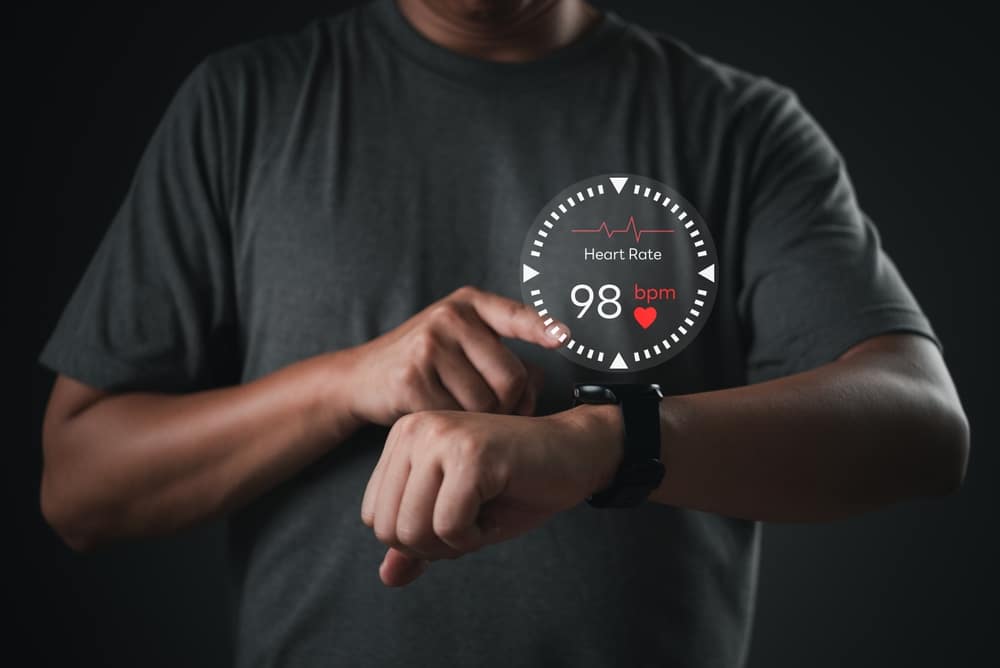
Monitoring health conditions is also becoming more sophisticated. Wearable biosensors can track heart rate, oxygen levels, glucose, and other biological indicators in real time. When connected to digital platforms, these devices create bio-digital interfaces that continuously analyze health data. Doctors can receive alerts about unusual patterns long before symptoms become severe.
Expanding Human Computer Interaction
Beyond medicine, the influence of bio-digital interfaces may reshape how humans interact with technology in everyday life. For decades, keyboards, mice, and touchscreens have been the primary tools for communicating with computers. Biological signals could eventually offer new methods of control.
Gesture recognition systems already interpret hand movements, but future systems may go further by reading neural activity or muscle signals directly. This would allow users to interact with devices without physical contact. Bio-digital interfaces could enable people to control computers, vehicles, or smart environments simply through intention or subtle movements.
Virtual and augmented reality technologies may also benefit. Current VR systems rely on handheld controllers or cameras that track motion. Integrating bio-digital interfaces could create more immersive experiences by interpreting neural signals that correspond to movement or emotional responses.
Gaming developers are particularly interested in this possibility. If a system can detect excitement, stress, or concentration through biological signals, it could adapt gameplay dynamically. While still experimental, these ideas demonstrate how bio-digital interfaces could transform digital experiences.
The Role of Artificial Intelligence
Artificial intelligence plays a critical role in making these technologies usable. Biological signals are complex and often noisy. Interpreting them accurately requires advanced algorithms capable of learning patterns.
Machine learning models can analyze large datasets of neural or physiological signals and identify consistent relationships between signals and actions. This ability allows bio-digital interfaces to become more accurate over time as the system learns from the user.
For instance, a brain computer interface may initially struggle to interpret specific neural signals. With training, the system gradually recognizes patterns associated with certain intentions. AI helps refine these interpretations, making bio-digital interfaces faster and more reliable.
Artificial intelligence can also personalize systems for each individual. No two brains or bodies produce identical signals. Adaptive algorithms allow interfaces to adjust to a person’s unique biological patterns, improving performance and comfort.
Ethical Questions and Safety Considerations
As exciting as these developments are, they also raise important ethical and safety questions. Connecting biological systems directly to digital devices introduces concerns about privacy, security, and autonomy.
Biological data is extremely personal. Signals from the brain or body could reveal emotional states, health conditions, or cognitive patterns. If bio-digital interfaces become widespread, protecting this data will be essential.
Security is another major concern. Any device connected to a network carries the risk of hacking. If a malicious actor gained control of a medical interface, the consequences could be serious. Engineers must design bio-digital interfaces with strong safeguards to prevent unauthorized access.
There are also philosophical questions about identity and enhancement. If technology allows people to expand cognitive abilities or sensory perception, society may need to rethink the boundaries between natural human abilities and technological augmentation.
These debates are already happening in academic and policy circles. Addressing them early may help guide responsible development of bio-digital interfaces as the technology matures.
The Future of Human Technology Integration
Looking ahead, many researchers believe that bio-digital interfaces will become increasingly common over the next few decades. Advances in nanotechnology, materials science, and neural engineering are making devices smaller, safer, and more precise.
Some experimental systems involve tiny implants that interact directly with neurons. Others use noninvasive sensors that can read signals through the skin or skull. As these technologies improve, bio-digital interfaces may become easier to adopt without complex surgery.
The long term vision extends beyond medical treatments or device control. Scientists are exploring ways to merge biological intelligence with digital processing in entirely new forms of collaboration. This could involve memory assistance systems, enhanced sensory perception, or real time translation between brain signals and digital information.
Although such possibilities remain experimental, they demonstrate the transformative potential of bio-digital interfaces in shaping future human capabilities.
The merging of biology and computing represents one of the most fascinating technological shifts of the twenty first century. From medical rehabilitation to immersive digital environments, bio-digital interfaces are redefining how humans interact with machines. While many systems are still in development, existing technologies such as neural prosthetics and biosensors already demonstrate what is possible. As research continues, these tools may help people regain lost abilities, monitor health more effectively, and interact with technology in entirely new ways. The future will require careful ethical oversight and thoughtful design, but the potential benefits of bio-digital interfaces make them one of the most promising frontiers in modern science and engineering.
Do you want to learn more future tech? Than you will find the category page here