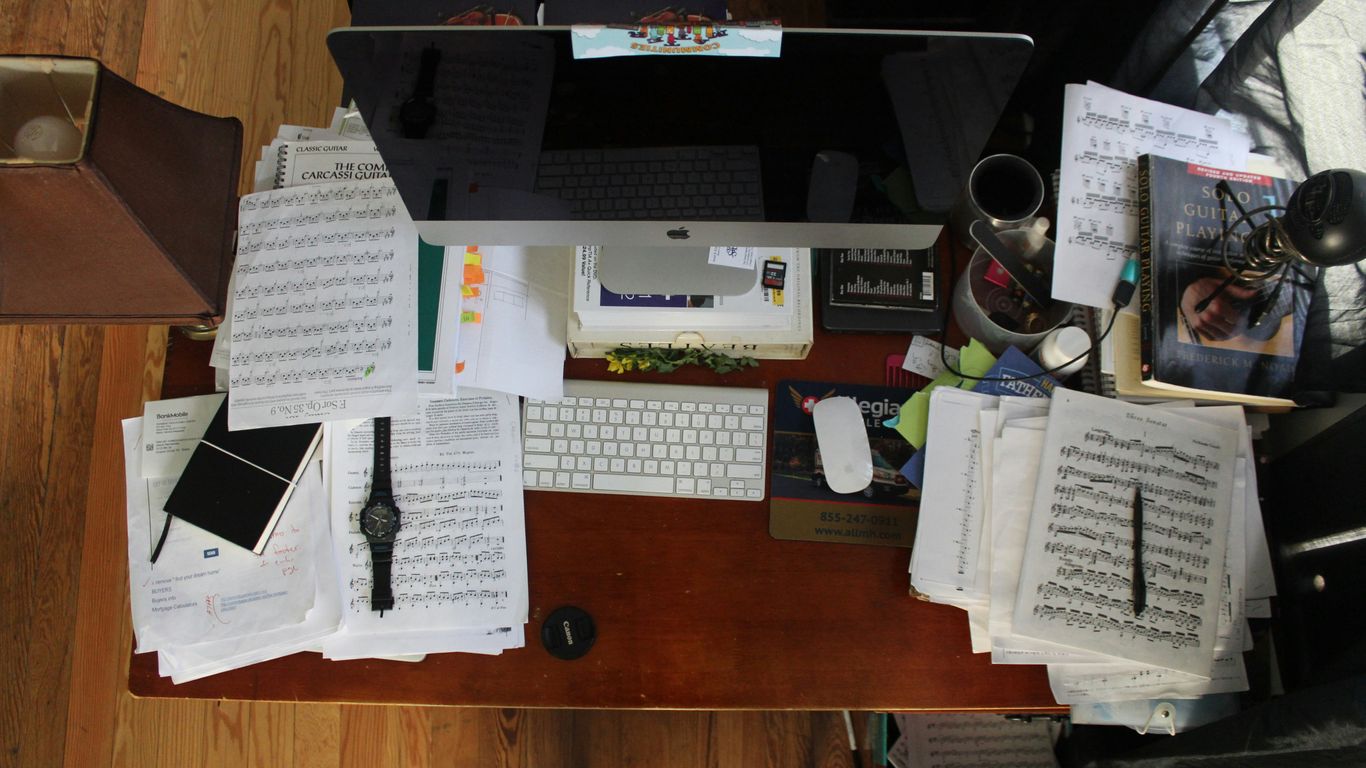
We live in a world that really pushes us to be productive. It’s like there’s this constant pressure to have the perfect workflow, the best morning routine, and all sorts of systems for our systems. For a long time, I was all about that. Over-optimization is waking up super early, doing all the ‘right’ things – mindfulness, workouts, journaling, you name it.
Advertisement
I tracked everything: how many reps I did, how long I spent in an ice bath, how many tasks I finished each day. I had multiple dashboards and calendars. By 8 AM, I felt like I’d already won the day. But honestly? I was just wiped out. I thought this was progress, but it turns out I was just running faster on the same old wheel.
Chasing Efficiency For Its Own Sake
It’s easy to get caught up in making things faster or smoother, even when it doesn’t really change the outcome. Think about spending hours setting up a fancy new app to manage your to-do list, only to realize you spent more time configuring the app than actually doing the tasks. Or maybe your team knows all the shortcuts for a communication tool but can’t clearly explain what your company actually does. The tools themselves start to feel like the work. This happens when we focus on delivery – executing tasks efficiently – before we’ve figured out what tasks are actually worth doing in the first place.
The Hamster Wheel Of Busyness
Sometimes, the more efficient we try to be, the busier we actually get. It’s like building a more comfortable hamster wheel. You get better at running, but you’re still just running in place. This feeling of constant motion can trick us into thinking we’re making progress, even when we’re not moving towards anything meaningful. We end up with more to do, not less, and feel like we’re always behind, even though we’re working harder than ever.
When Tools Become The Work
We often fall into the trap of thinking that new tools or systems will magically solve our productivity problems. We spend time learning them, setting them up, and tweaking them to perfection. But then, we realize we’re spending more time managing the tools than actually doing the work they were supposed to help with. It’s like spending all your time sharpening your tools instead of building anything. The focus shifts from the actual goal to the process of getting there, and the tools become the main event.
Recognizing The Signs Of Over-Optimization
It’s easy to get caught up in the idea that more is always better, especially when it comes to getting things done. We see all these tools and methods promising to make us super-efficient, and it feels good to adopt them. But sometimes, we can go too far, and that’s when we fall into the over-optimization trap. It’s not about working less; it’s about working smarter, but we can misinterpret that.
Feeling Busy But Not Fulfilled
One of the biggest red flags is when you’re constantly busy, your calendar is packed, and your to-do list is always long, yet you don’t feel like you’ve actually accomplished anything meaningful. You might be ticking off tasks, but they don’t seem to move the needle on what truly matters. It’s like running on a treadmill – you’re putting in a lot of effort, but you’re not actually going anywhere.
Difficulty Stepping Away From Work
Do you find it hard to switch off? Even when you’re not actively working, are you constantly checking emails, Slack messages, or project dashboards? This feeling that everything will fall apart if you’re not immediately available is a sign. It suggests that your systems, or your reliance on them, have made you feel indispensable in a way that’s actually unhealthy. You might feel like you’re in control because you’re always connected, but it’s often an illusion.
Prioritizing Responsiveness Over Thoughtfulness
In our rush to be efficient, we often prioritize responding quickly over thinking deeply. Getting back to someone instantly might feel productive, but does it lead to better decisions? When you’re always reacting, you don’t have the space to consider the best approach, to strategize, or to be creative. This can lead to a lot of activity that doesn’t actually amount to much progress.
Here are some common signs that you might be over-optimizing:
You spend more time managing your productivity tools than doing the actual work.
You feel a constant pressure to be “on” and available, even during downtime.
Your days are filled with tasks, but you struggle to identify what truly moved the needle.
You find yourself optimizing processes that aren’t yet stable or well-understood.
The real danger isn’t working hard; it’s mistaking constant motion for meaningful progress. When we’re so focused on the mechanics of efficiency, we can lose sight of the actual purpose behind our work.
Why Remote Work Amplifies The Trap
Remote work was supposed to be the answer, right? More freedom, fewer commutes, and a better grip on our schedules. And for a lot of us, it felt that way at first. Work got quieter, things seemed more flexible, and we could measure our output more easily. Meetings got shorter, tasks moved faster. It all felt pretty efficient.
But here’s the thing: that efficiency can easily turn into its own kind of pressure. When we work remotely, we lose a lot of the natural cues that tell us when it’s time to stop. There’s no office to pack up and leave, no colleagues heading out the door, and no commute to create a clear break between work and life. This absence of built-in stopping points means work can just keep expanding to fill whatever space we give it.
Losing Natural Stopping Points
Think about it. In an office, there are unspoken rules. People start packing up, the lights might dim, or you just see everyone else heading out. These are subtle signals that the workday is winding down. Without those visual cues, it’s way too easy to just keep going. The flexibility that makes remote work so appealing can also make it easier to overextend ourselves. We start to feel like we should be working because there’s no external reason to stop. It’s like being on a treadmill that never turns off.
Productivity As The Default State
When those natural boundaries disappear, productivity can stop being a goal and start being the default. We get so used to being ‘on’ and churning out tasks that we forget to pause. Tools designed to make us more efficient can actually make it harder to step away. Dashboards show us constant updates, notifications pop up instantly, and progress is always visible. This makes unfinished work feel urgent, even when it’s not truly important. We start to optimize for what we can easily measure, rather than what truly matters.
The danger isn’t working hard; it’s mistaking constant motion for real progress. When we’re always busy, it’s easy to feel like we’re accomplishing things, but we might just be spinning our wheels.
The Illusion Of Control Through Tools
Modern productivity tools are amazing. They help us organize, focus, and get things done. But when we don’t set boundaries, they can create a false sense of control. We think that if we can track everything, we can manage everything. This leads to prioritizing being available right now over taking the time to think things through properly.
We end up measuring success by how much we get done, not by the quality or impact of that work. It’s a subtle shift, but over time, it can lead to burnout and a feeling of being busy but not fulfilled. For a look at how remote work is shaping up for next year, check out How Remote Work Will Change In 2026.
Here are some signs that you might be falling into the over-optimization trap:
Feeling like you can’t step away without checking messages or dashboards.
Believing that if you slow down, everything will fall apart.
Ending the day feeling busy but not actually satisfied with what you accomplished.
Always responding immediately, even if it means making quicker, less thoughtful decisions.
Judging your success mostly by how many tasks you completed.
The Difference Between Motion And Meaningful Progress
It’s easy to get caught up in the whirlwind of activity. You’re checking off tasks, responding to emails, and attending meetings. It feels like you’re getting things done, right? But are you actually moving closer to your goals, or are you just spinning your wheels?
Mistaking Activity For Accomplishment
This is where we often get tripped up. We start to believe that being busy equals being productive. Think about it: your calendar is packed, your inbox is a constant stream, and you’re always on the go. This constant motion can be really convincing. It looks like progress, especially when you’re using all sorts of tools to manage it. But sometimes, all that activity doesn’t actually lead anywhere important. It’s like running on a treadmill – you’re moving a lot, but you’re not actually covering any new ground.
The real danger isn’t working hard; it’s mistaking constant motion for meaningful progress. We can get so focused on the doing that we forget to ask if the doing is actually leading us where we want to go.
The Psychological Cost Of Non-Stop Output
When you’re always
Redefining Productivity For Sustainable Success
It’s easy to get caught up in the idea that more output equals more success. We see our to-do lists shrinking, our inboxes clearing, and we feel like we’re winning. But sometimes, this constant push for more can actually work against us. We start mistaking being busy for being effective, and that’s a slippery slope. True productivity isn’t just about how much you do, but about the impact of what you do and how you feel while doing it.
Focusing On Leverage And Impact
Instead of just churning out tasks, think about what actions will make the biggest difference. This means looking for opportunities where a small amount of effort can lead to a large result. It’s about working smarter, not just harder. Ask yourself: “What’s the one thing I could do right now that would move the needle the most?” This shift from just doing things to doing the right things is key.
Designing Work With Intentional Limits
We need to build boundaries into our work, especially when working remotely. Without the natural stopping points of an office, it’s up to us to create them. This doesn’t mean rigid schedules, but rather clear ideas about what ‘enough’ looks like for a day or a week. These limits protect our energy and focus. Think of it like this:
Define your ‘done’: What does a successful day or week look like, realistically?
Schedule breaks: Treat them as important as any meeting.
Set communication boundaries: When can people expect a response, and when can they not?
These aren’t about slacking off; they’re about creating space for better thinking and preventing burnout.
Treating Rest As A Strategic Component
Rest isn’t a reward for finishing everything; it’s a necessary part of the process. Our brains need downtime to process information, come up with new ideas, and avoid making mistakes. When we’re constantly ‘on’, our decision-making suffers, and creativity dries up. Making rest a planned part of your routine, just like any important task, is a smart move for long-term success. It helps maintain clarity and prevents that feeling of being overwhelmed.
Sustainable productivity feels different. It includes moments of quiet. It tolerates unfinished lists. It prioritizes direction over speed. This approach often makes work more resilient and the work itself regains meaning.
Breaking Free From The Over-Optimization Cycle
So, you’ve realized you’re stuck in the productivity trap, constantly tweaking and tuning without actually getting anywhere meaningful. It happens to the best of us. The good news is, you can break free. It’s not about working harder or smarter, but about working differently. It’s about reclaiming your time and energy for what truly matters.
Auditing Your Productivity Efforts
Before you can change anything, you need to know what you’re actually doing. Think of it like cleaning out your closet. You can’t just shove more clothes in; you have to see what you have first. For your work, this means taking a honest look at your current habits and tools. Ask yourself: what am I spending my time on? Why am I doing it this way? Is this task actually moving the needle, or is it just busywork?
Sometimes, we get so caught up in the how that we forget the why. It’s easy to fall into the trap of optimizing things that don’t really need it, like spending hours setting up a complex system for tasks you only do once a month. The goal here isn’t to find more ways to be busy, but to identify what’s truly important.
Letting Go Of What Doesn’t Matter
This is where the real magic happens. Once you’ve audited your efforts, you’ll likely find a lot of things you can just… stop doing. It sounds simple, but it’s incredibly hard. We’re conditioned to believe that more output equals more success. But often, less is more. Think about packing for a trip; you don’t need to bring your entire wardrobe. You bring what’s essential. The same applies to your work.
Here are a few things to consider letting go of:
Unnecessary tools: Do you really need five different apps to manage your to-do list?
Meaningless metrics: Tracking every single minute might feel productive, but does it actually help you achieve your goals?
Perfectionism on low-impact tasks: If a task isn’t critical, good enough is often perfectly fine.
Constant connectivity: You don’t need to reply to every email the second it arrives.
It’s about making conscious choices to prune away the excess, creating space for focused, high-quality work. This is where you can start to see real progress, not just motion. It’s about focusing on impact, not just activity. Remember, you don’t have to do everything. You just have to do the things that matter most.
Embracing ‘Slow Productivity’
This is the antidote to the frantic pace of over-optimization. ‘Slow Productivity,’ a concept popularized by Cal Newport, isn’t about being lazy; it’s about being deliberate. It means doing fewer things, but doing them with intense focus and a commitment to quality. It’s about understanding that deep, meaningful work often requires time, patience, and a willingness to step away from the constant hum of notifications.
Sustainable productivity feels different. It includes moments of quiet. It tolerates unfinished lists. It prioritizes direction over speed.
Instead of chasing the illusion of constant output, embrace the power of focused bursts of work followed by genuine rest and reflection. This approach helps prevent burnout and actually leads to better, more creative outcomes.
What’s the Takeaway?
Look, we all want to get stuff done. But sometimes, in our rush to be super efficient, we end up just running faster on the same old hamster wheel. It’s easy to get caught up in tracking every little thing and optimizing every second, especially when it feels like the world expects it. But remember, real progress isn’t just about being busy. It’s about doing the right things, and sometimes, that means slowing down, taking a breath, and actually thinking. So maybe, just maybe, the most productive thing you can do today is to stop optimizing for a bit and just… be. You might find that’s where the real breakthroughs happen.
Do you want to learn more helpful tools to increase your digital productivity? Than you will find the category page here