
It might sound a bit strange, but as technology gets more advanced, the things that make us uniquely human are actually becoming more important. Think about it: computers can crunch numbers and sort data faster than we ever could. But they can’t really feel empathy, come up with a truly original idea out of nowhere, or build a strong relationship with someone. These human traits – like creativity, understanding others, and good judgment – are what set us apart. But are also part of future innovation.
In a world where AI can do a lot of the routine stuff, these human skills are what will really make a difference for businesses and for us as individuals. It’s like we’re rediscovering the value of just being human.
Technology As An Amplifier Of Human Strengths
Instead of thinking of technology as something that replaces us, it’s more helpful to see it as a tool that makes our own abilities even better. AI and other tech can handle the boring, repetitive tasks, freeing us up to focus on the parts that need our human touch. This means we can spend more time on creative problem-solving, connecting with people, and making bigger-picture decisions. It’s not about humans versus machines; it’s about humans with machines, working together to achieve more than either could alone. This partnership allows us to push boundaries and innovate in ways we couldn’t before.
Cultivating Human-Machine Symbiosis
So, how do we get this human-machine partnership working well? It’s about creating a balance where both humans and technology can do what they do best. This means designing systems that work with our natural abilities, not against them. It involves training people not just on how to use new tools, but also on how to think critically and creatively alongside them. The goal is a kind of teamwork, or symbiosis, where technology supports and amplifies our human strengths, leading to better outcomes for everyone involved.
The future isn’t about replacing people with machines, but about using machines to help people do their best work and live more meaningful lives.
The AI Paradox: More Tech, More Humanity
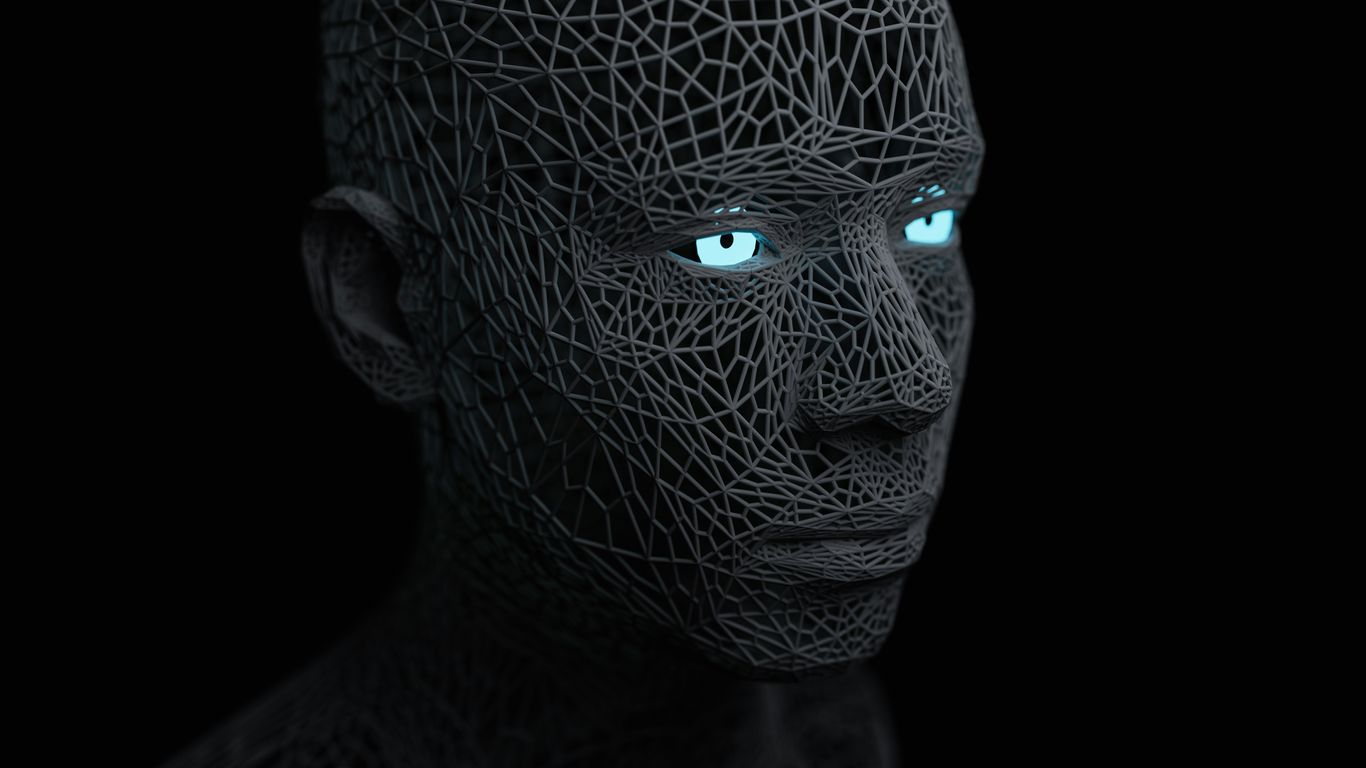
It might sound a bit strange, but as we get more and more technology, especially with AI, the things that make us truly human are becoming even more important. Think about it: when computers can do all the repetitive stuff, what’s left for us? It’s the stuff that needs our brains and hearts – like figuring out tricky problems, connecting with people, and building trust. These aren’t things an algorithm can easily replicate.
Why Genuine Human Qualities Are Becoming More Crucial
We’re seeing a shift. For a while, it felt like the goal was just to automate everything. But now, there’s a realization that efficiency isn’t the whole story. When AI handles the data crunching and routine tasks, the real value comes from human interaction. This means things like understanding what a customer really needs, not just what they say, or a team leader knowing how to motivate people through a tough project. These are the skills that build strong businesses and happy workplaces. It’s about the human constant in a world of artificial intelligence.
Technology As An Amplifier Of Human Strengths
Instead of replacing us, AI is actually becoming a tool that makes our human abilities shine brighter. Imagine a doctor using AI to quickly analyze scans, freeing them up to spend more time talking with patients about their health. Or a writer using AI to check grammar and suggest phrasing, allowing them to focus on the creative storytelling. AI can handle the grunt work, giving us more space to be creative, empathetic, and thoughtful. It’s not about working against the machine, but working with it to do our best work.
Cultivating Human-Machine Symbiosis
So, how do we make this work? It’s about creating a partnership. We need to design systems and workplaces where humans and machines work together smoothly. This means training people not just on how to use the new tech, but also on how to use the time that tech gives them back. It’s about building environments where people can focus on tasks that require critical thinking, creativity, and empathy. By focusing on these human skills, we can build a future where technology helps us be more productive and more human. This is a key part of integrating advanced AI into our work lives.
Reclaiming Time For Meaningful Work

It feels like we’re always busy, right? Between endless emails, reports, and all sorts of administrative tasks, it’s easy to feel like your day is just a blur of busywork. But here’s the thing: technology, especially AI, is starting to change that. It’s like a helpful assistant that can handle a lot of the repetitive stuff, freeing us up for things that actually matter.
AI’s Role In Reducing Mundane Tasks
Think about all the time spent just organizing data, writing basic drafts, or checking for simple errors. AI tools are getting really good at these kinds of jobs. They can summarize long documents in seconds, generate initial versions of reports, and even spot typos you might miss. This isn’t about replacing people; it’s about removing the drudgery. The goal is to take the boring parts out of our workdays. This means less time spent on tasks that don’t really use our brains and more time for actual problem-solving and creative thinking. It’s a big shift from just churning out output to focusing on what that output means.
Creating Space For Mentoring And Growth
When the daily grind gets lighter, something wonderful happens: there’s room to breathe and grow. This extra time isn’t just about being more productive; it’s about human connection and development. For newer folks in the workforce, this can be a game-changer. They can get more guidance, learn the unspoken rules of business, and build relationships without feeling completely overwhelmed by basic tasks. It’s also a chance for experienced professionals to share their knowledge, mentor junior colleagues, and strengthen team bonds. This creates a more supportive environment where everyone can learn and develop.
The Rise Of Soft Skills In The Workplace
As AI takes over more routine tasks, the skills that make us uniquely human become even more important. Things like communication, empathy, teamwork, and creative problem-solving are moving to the forefront. These aren’t skills you learn from a software manual; they’re built through interaction and experience. With AI handling the predictable, we have more opportunities to focus on these human skills, which are becoming the real competitive edge in today’s job market. It’s about working smarter, yes, but also working more humanely. We’re seeing a future where technology helps us connect better and build stronger teams, not the other way around. This shift is why understanding the role of data workers is so important for the future of AI development.
The real win here isn’t just about speed or efficiency. It’s about giving people back their time so they can focus on the work that truly requires human insight, creativity, and connection. This is how we make work more meaningful.
The Growing Importance Of Soft Skills
Why Soft Skills Are A Competitive Advantage
Think about it. We’re living in a world where machines can do a lot of the heavy lifting, crunching numbers and sorting data faster than we ever could. But what happens when the machines take over the routine stuff? Suddenly, the things that make us uniquely human become way more important. These aren’t just ‘nice-to-have’ abilities anymore; they’re becoming the real drivers of success in business.
Companies are starting to see that the human touch is what really sets them apart. When products and services start looking and feeling the same, it’s the way people interact with customers and each other that makes a difference. This is where skills like teamwork, understanding what others are feeling (empathy), sorting out disagreements, and getting people excited about a goal really shine.
These abilities aren’t easy for computers to copy. They come from experience, from talking to people, and from just being human. So, while tech gets better at doing tasks, we get better at connecting and leading.
Bridging The Gap In Essential Workplace Skills
It’s a bit of a funny situation. On one hand, AI is getting really good at handling a lot of the repetitive tasks that used to eat up our workdays. Things like putting together reports, checking for errors, or even drafting basic documents are now often handled by smart software. This is great because it frees us up.
But here’s the catch: a lot of people, especially those just starting out, aren’t quite ready for this shift. Studies show that many bosses and employees feel that newer workers don’t have the people skills needed for today’s jobs. It seems like our education systems haven’t quite caught up with what the modern workplace actually needs.
We have this gap. AI is giving us more time, but we need to know what to do with it. We need to get better at communicating, working together, and understanding each other. It’s like getting a new tool but needing to learn how to use it properly.
Empowering Professionals Through Skill Development
What’s the plan? How do we make sure everyone is ready for this new era? It’s all about giving people the chance to grow these human skills. When AI takes away the boring parts of the job, it creates space. This space is perfect for things like:
- Mentoring and Coaching: More experienced folks can guide newer team members, sharing wisdom that can’t be found in a manual.
- Learning and Development: Professionals can spend time improving their communication, problem-solving, and leadership abilities.
- Building Relationships: Time can be dedicated to strengthening connections within teams and with clients, which is something AI can’t replicate.
The time we gain back from automation isn’t just about being more productive; it’s about being more human. It’s an opportunity to invest in ourselves and in each other, making our work more meaningful and our workplaces stronger.
This shift means that learning doesn’t stop when you get a job. It becomes an ongoing part of work. Companies that help their employees develop these people skills will likely see better teamwork, happier staff, and ultimately, better results. It’s a win-win, really.
Rethinking Our Relationship With Technology
It’s easy to get caught up in the latest gadgets and software, thinking technology is this separate, almost magical thing. But really, it’s deeply tied to our physical world. We need to remember that all this digital stuff – the servers, the cables, the data centers – takes up space and uses energy. It’s not some ethereal cloud; it’s built on real materials and has real impacts.
Digital Humanism: Technology Serving People
This idea of “digital humanism” is pretty straightforward: technology should be built to help people, not the other way around. It means we’re in charge, and we decide how these tools are used. It’s about making sure that as we create new tech, we’re thinking about human dignity and what’s right. We can’t just let algorithms make all the big decisions for us. We need to be the ones guiding technology’s path.
The Ethical Responsibility In Technological Advancement
When we build new technologies, especially those involving AI, we have a responsibility to think about the consequences. It’s not enough to just make something work; we have to consider how it affects people and society. This means being honest about how things are made and what they cost, both in terms of resources and potential downsides. It’s about building trust by being transparent and putting human well-being first.
Building Trust Through Human-Centric Design
Think about how you interact with different apps or websites. Some just feel better to use, right? That’s often because they were designed with people in mind. Human-centric design means focusing on what users actually need and want, making things intuitive and easy to use. It’s about creating technology that feels like a helpful partner, not a confusing obstacle. This approach is key to building lasting relationships with customers and making sure technology truly serves us.
- Focus on user needs and goals.
- Make interfaces simple and clear.
- Test designs with real people.
- Be open about how data is used.
The digital world isn’t separate from our physical lives; it’s built upon it. Understanding this connection helps us make better choices about the technology we create and use, ensuring it benefits everyone.
The Physical Reality Of The Digital World
We often talk about the digital world like it’s this airy-fairy, untouchable thing, floating around in the “cloud.” But that’s not really the whole story, is it? The truth is, all that digital stuff – your emails, your photos, the apps you use – it all needs a place to live. And that place is very much physical.
Understanding The Material Foundations Of Digitalization
Think about it. Where do all those cat videos and important documents actually get stored? In massive buildings filled with servers, humming away 24/7. These data centers need tons of electricity to run and even more to keep cool. Then there are the miles and miles of cables, including those giant ones under the ocean that connect continents. It’s a whole infrastructure made of concrete, metal, and plastic. This physical backbone is what makes our digital lives possible. Without it, the “cloud” would just disappear.
The Intertwined Nature Of Bits And Atoms
It’s easy to forget that the digital and physical worlds are totally linked. You can’t really have one without the other. A factory can still make things without being connected to the internet, but a data center? It’s pretty useless unless it’s serving some real-world business or need. So, while technology can help us do amazing things, it’s always grounded in the physical. This is a key idea when we think about future technology.
Acknowledging The Ecological Costs Of Technology
This physical reality comes with a price tag, and not just in terms of money. Making all that hardware – the phones, the computers, the servers – uses up a lot of raw materials. Mining for these materials can be tough on the environment. And then there’s the energy consumption. Data centers alone use a huge amount of electricity, contributing to our overall energy use. Plus, what happens when we’re done with our gadgets? Electronic waste is a growing problem. It’s important to be aware of these impacts as we continue to build more digital tools and services.
So, What’s the Takeaway?
It’s easy to get caught up in all the new tech, right? But as we’ve seen, the more advanced things get, the more we actually need our human skills. Think about it: AI can crunch numbers and sort data like nobody’s business, but it can’t really connect with people, understand feelings, or build real trust. That’s our territory. So, instead of worrying about robots taking over, let’s focus on getting better at what makes us human – like listening, collaborating, and just being good at dealing with other people. Turns out, the future of tech isn’t about replacing us, it’s about giving us more space to be our best, most human selves.