It feels like just yesterday we were marveling at our first smartphones, and now, well, everything is getting smart. We’re talking about a world where your fridge can tell you you’re out of milk, your thermostat learns your schedule, and your watch keeps tabs on your heart rate. This isn’t science fiction anymore; it’s the reality of the Internet of Things (IoT), and it’s growing faster than you might think. In 2024, the number of connected devices hit around 18.5 billion, a jump of 12% from the year before. This interconnectedness is changing how we interact with our homes, our cities, and even ourselves. So tech trends are not just about new technology, but also about changing life.
Smart Devices Everywhere
Think about it: your coffee maker can start brewing before you even get out of bed, your car can tell you about traffic jams before you leave, and your lights can turn on automatically when you walk into a room. These aren’t just fancy gadgets; they’re becoming part of the background hum of our lives. Devices are getting smaller, more powerful, and cheaper to produce, which means more and more everyday objects are getting a digital upgrade. We’re moving towards a future where computing isn’t just in our phones or laptops, but woven into the fabric of our environment. This means more convenience, sure, but it also means more data being generated about our habits and preferences.
Seamless Data Sharing
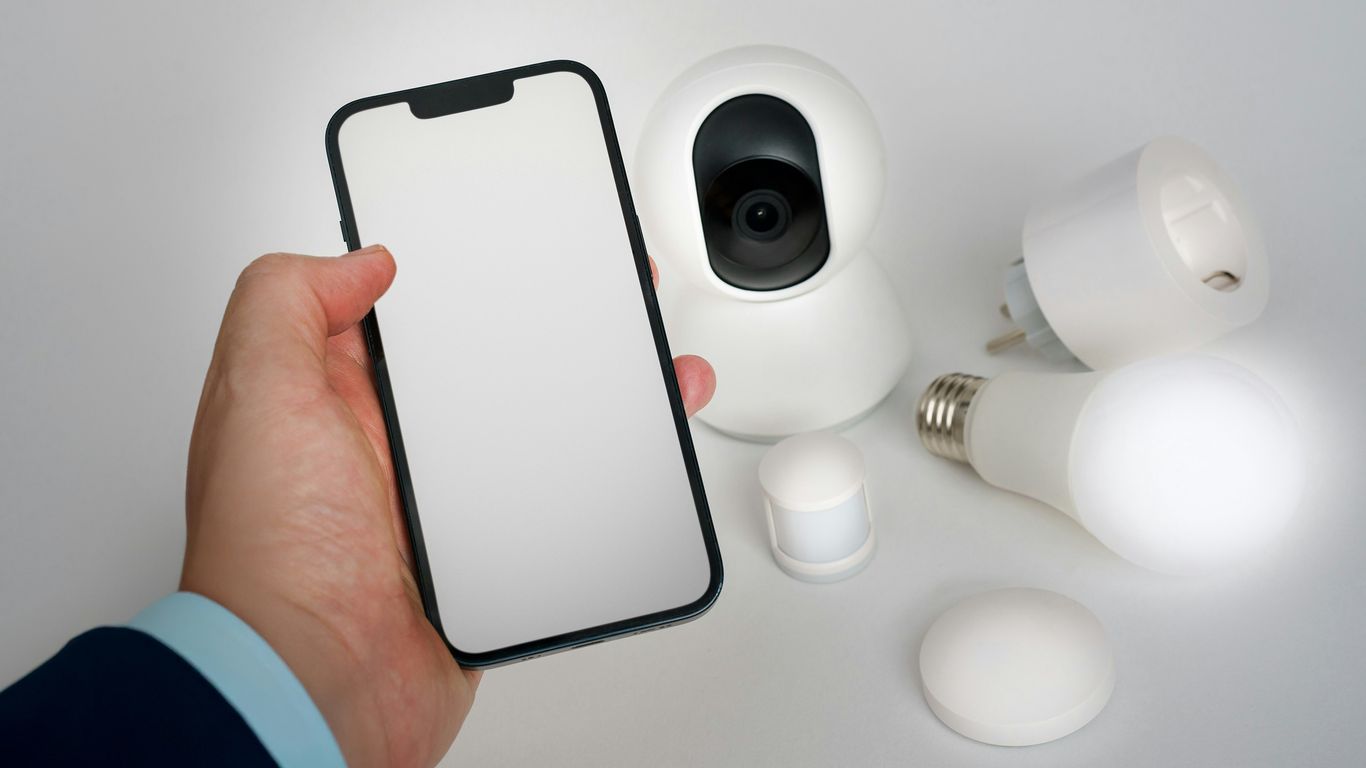
One of the coolest parts of this connected world is how devices can talk to each other. Your fitness tracker can share your activity data with your health app, which might then suggest a healthier meal plan. Your smart home system can adjust the temperature based on whether you’re home or away. This data sharing is what makes these devices truly intelligent. It allows for a more personalized and efficient experience, where technology anticipates your needs. For example, a smart home system could learn your routine and automatically adjust lighting and temperature to save energy when you’re not around. This kind of integration is key to making our lives smoother and more automated.
Personalized Experiences
Because all these devices are collecting information about us and our surroundings, they can start to offer experiences tailored just for you. Your streaming service knows what shows you like, your online store suggests products you might want, and your smart speaker can play music based on your mood. This level of personalization can make technology feel more intuitive and helpful. It’s like having a personal assistant that understands your preferences without you having to spell everything out.
This trend is only going to grow as more devices become connected and smarter, leading to a future where technology truly adapts to our individual needs and desires. You can already see this with how some health insurance providers use smart devices to track activity and reward healthier lifestyles, a great example of personalized health tracking.
The sheer volume of data being generated by these connected devices is staggering. While this offers incredible opportunities for innovation and convenience, it also raises important questions about privacy and security that we’ll need to address as this trend continues to unfold.
Smarter Living Through Data
We’re living in a time where almost everything we do can be turned into digital information, or data. Think about it: your daily steps, the shows you watch, even the way you talk to your smart speaker. All of this information is being collected, and it’s changing how we understand the world and ourselves. This trend has been growing for a while, but with new tech like AI and devices everywhere, we can do so much more with this data than ever before.
It’s pretty amazing, but also a little scary if you think about it too much. If this data isn’t handled right, it could cause problems. But on the flip side, it helps us work better, find new ways to treat sickness, and even figure out big issues like climate change.
Understanding Our World Better
Imagine having a clearer picture of what’s happening around you. Data helps us do just that. For example, cities can use traffic data to figure out the best times to fix roads, cutting down on annoying delays. Scientists can look at weather patterns over years to better predict storms, helping communities prepare. Even in our homes, smart thermostats learn our habits to keep us comfy without wasting energy. This ability to see patterns and trends in information is helping us make more informed choices. It’s like having a super-powered magnifying glass for reality.
Boosting Efficiency
When we understand things better, we can work smarter. Think about a factory floor. Sensors can track how machines are running, spotting problems before they cause a breakdown. This means less downtime and more products made. In our personal lives, apps can track our spending, showing us where our money goes so we can save more.
Even something as simple as a grocery list app can make shopping quicker and stop us from buying things we don’t need. It’s all about using information to cut out the waste and get things done faster and better. We’re seeing this play out in how businesses manage their operations, with many looking at how to use AI agents to help with daily tasks by 2026.
Solving Big Challenges
Beyond our daily lives, data is becoming a key tool for tackling huge global problems. Researchers are using massive amounts of data to understand diseases like never before, leading to new treatments. Environmental groups can track pollution levels in real-time, helping them target cleanup efforts more effectively. Even something like mapping the universe, which sounds pretty out there, is being done with the help of powerful computers crunching huge datasets. It shows that by collecting and analyzing information, we can start to find answers to some of the most complex questions facing humanity.
The sheer amount of information being generated means we need smart ways to sort through it all. Without good tools and methods, all this data could just become noise. The real magic happens when we can turn raw information into useful insights that guide our actions.
The Future Of Health And Biology
It feels like every day we hear about some new medical breakthrough, and honestly, it’s getting hard to keep up. But some of these advancements are really changing how we think about staying healthy and treating illnesses. We’re moving into an era where medicine is becoming super specific to each person, and even tiny bits of tech are starting to play a big role in our well-being.
Tailored Medical Treatments
Remember when doctors just gave everyone the same prescription? That’s starting to change. Thanks to a better grasp of our genes, treatments can now be made just for you. This means getting the right medicine at the right dose, which should work better and have fewer side effects. Think about it: your body is unique, so why shouldn’t your medical care be too? This personalized approach is a big deal for tackling diseases that used to be really tough to manage. It’s all about understanding the individual blueprint of your health.
Tiny Tech For Health
We’re not just talking about wearable fitness trackers anymore. Scientists are developing incredibly small devices, sometimes at the nano scale, that can do amazing things inside our bodies. Imagine tiny robots or sensors that can detect diseases early or deliver medicine exactly where it’s needed. These aren’t science fiction anymore; they’re becoming a reality. They could help us monitor our health constantly and intervene before problems get serious. It’s like having a microscopic medical team working for you 24/7.
Understanding Life’s Blueprint
Our knowledge of genetics has exploded. We can now read and even edit the very code of life – our DNA. This isn’t just for scientists in labs; it’s leading to real-world applications. For instance, gene-editing tools like CRISPR are showing promise in fixing genetic mutations that cause serious conditions, like certain heart problems or muscular dystrophy. Projects are even working to map out the DNA of all living things on Earth. This deeper understanding of how life works is paving the way for preventing and curing diseases we once thought were unbeatable. It’s a whole new level of insight into human health.
Here’s a quick look at what’s happening:
- Gene Editing: Fixing faulty genes to prevent inherited diseases.
- Personalized Medicine: Treatments designed specifically for your genetic makeup.
- Nanomedicine: Using super-small devices for diagnosis and treatment.
The ability to understand and manipulate our genetic code is opening doors we never knew existed. It’s a powerful tool that, when used wisely, could dramatically improve quality of life for millions.
Revolutionizing How We Make Things
It feels like every day there’s something new popping up in how we build stuff. We’re moving beyond just assembling parts; we’re starting to create things from the ground up in ways that were science fiction not too long ago. Think about 3D printing. It’s not just for making little plastic trinkets anymore. We’re seeing houses printed in hours, and even food being created layer by layer. This is all part of what’s called additive manufacturing, and it’s changing the game.
Building With Precision
This is where things get really interesting. Instead of carving away material or forcing it into molds, we’re adding material precisely where it’s needed. This means less waste and the ability to make incredibly complex shapes that were impossible before. For example, doctors are already using 3D printing to create custom bone implants that fit perfectly into a patient’s body.
These aren’t just inert pieces; they’re designed to encourage the body to grow new, healthy bone around them. It’s like giving your body a blueprint to fix itself. This level of detail is also showing up in other areas, like creating intricate parts for machines that are lighter and stronger than traditional ones. The future of manufacturing careers is looking pretty different, with more focus on design and oversight rather than just manual labor. Learn about new careers.
Materials That Adapt
What if the things we make could change or fix themselves? That’s the idea behind “4D printing,” where objects are printed with the ability to transform over time or in response to their environment. Imagine shoes that mold perfectly to your feet as you wear them, or clothing that adjusts its insulation based on the temperature. Even more exciting is the potential for self-healing materials. Cracks in a bridge or a car could literally mend themselves. This could drastically cut down on maintenance and make structures last much longer.
Sustainable Manufacturing
Making things has often been tough on the planet. But these new ways of manufacturing are helping to turn that around. Because we’re adding material only where it’s needed, we’re using a lot less raw stuff. Plus, there’s a growing trend of using recycled or waste materials to create new products. Think about electric vehicles being built from reclaimed waste. It’s a big shift towards a circular economy, where we reuse and recycle more, and throw away less. This approach not only helps the environment but can also make production cheaper in the long run.
The way we produce goods is moving from a subtractive process, where we cut away material, to an additive one, where we build things up layer by layer. This shift allows for incredible precision, the creation of complex designs, and a significant reduction in waste, paving the way for more sustainable and customized products. It’s a fundamental change in how we think about making anything at all.
New Realities In Virtual Worlds
It feels like just yesterday we were talking about video games, and now we’re on the cusp of something way bigger. We’re talking about virtual worlds that aren’t just for playing games, but for living, working, and hanging out. Think about it: you could be in a meeting with colleagues from across the globe, feeling like you’re all in the same room. Or maybe you’re learning a new skill, practicing in a safe, digital space before trying it in real life. This is the promise of extended reality (XR), which includes virtual reality (VR) and augmented reality (AR).
Immersive Digital Experiences
These virtual spaces are getting incredibly realistic. We’re not just talking about seeing and hearing things anymore. Imagine being able to feel a handshake from a friend who lives miles away, thanks to special e-skin technology that can mimic touch. Or what if you could smell the ocean breeze while exploring a virtual beach? Researchers are even developing VR attachments that can generate smells, making digital experiences much more convincing.
These advancements are blurring the lines between what’s real and what’s digital, creating experiences that can be as emotionally impactful as those in the physical world. It’s like stepping into another dimension, one that’s built from code but feels incredibly present. This is all part of synthetic reality, a blend of our world and computer-generated ones that’s becoming more common.
New Ways To Connect
Virtual worlds offer a whole new way to connect with people. Instead of just video calls, you can meet up in a shared digital space. You could build things together, attend virtual concerts, or just chat like you would in a coffee shop. This could be a game-changer for people who are far apart from their loved ones. It also opens up possibilities for people who might find it hard to socialize in person. You can explore different identities and interact in ways that feel comfortable. Platforms are being built right now that let users create and share their own online worlds, making it a truly collaborative space.
Safer Training And Learning
One of the most practical uses for these virtual worlds is training. Think about pilots practicing flying in realistic simulators, or surgeons rehearsing complex operations without any risk to patients. It’s much safer and often cheaper than traditional training methods. For example, military personnel can train for dangerous situations in a controlled environment. Even learning everyday skills can be made more engaging and effective.
You can practice public speaking in front of a virtual crowd or learn how to fix machinery by interacting with a digital model. This kind of hands-on, risk-free practice can make a big difference in how quickly and well people learn new things. It’s a way to get real-world experience without any of the real-world consequences. The market for VR equipment in business is already growing fast, showing how companies see the value in this type of training.
The technology behind these virtual worlds is evolving rapidly. It’s not just about better graphics; it’s about creating a sense of presence and interaction that feels natural. As these digital spaces become more sophisticated, they will likely change how we work, play, and connect with each other in ways we’re only just beginning to imagine.
Ensuring Trust In A Digital Age
It feels like everything is online these days, right? From what we buy to what we say, it’s all getting recorded as digital information. This can be super helpful, letting us understand things better and even solve big problems. But it also brings up a big question: how do we know what’s real and who’s seeing our stuff? We need ways to be sure our digital world is safe and honest.
Verifying Digital Information
Think about all the news and posts you see online. It’s getting harder to tell what’s true and what’s not, especially with AI getting really good at making fake stuff that looks real. This can mess with our decisions and make us doubt even legit sources. It’s like trying to find a needle in a haystack when you’re not sure if the haystack itself is even real.
- Fact-checking tools: New ways to check if information is accurate are popping up.
- Digital watermarks: These are like hidden signatures on images or videos to prove they haven’t been messed with.
- Source verification: Better systems to show where information originally came from.
The rapid spread of AI-generated content means we’re all going to have to be more careful about what we believe online. It’s not just about spotting a typo anymore; it’s about questioning the very reality of what we’re seeing.
Secure Data Access
When our personal information is stored digitally, we want to know it’s protected. This is where technologies like blockchain are starting to make a difference. You might have heard of it with things like Bitcoin, but it’s much more than just money. It’s a way to keep records that are super secure and can’t be easily changed without permission. This could change how things like medical records or even who owns a piece of digital art are managed. It’s all about making sure only the right people can get to sensitive data, and that the records are trustworthy. You can find out more about how blockchain works at this blockchain explainer.
Building Digital Confidence
Ultimately, all these tech shifts mean we need to feel good about using digital tools. It’s not just about having the latest gadgets; it’s about trusting the systems behind them. As more and more devices connect and share information, having strong security and clear ways to verify what’s real will be key. This builds confidence, allowing us to use technology to its fullest without constant worry. It’s about making the digital world a place we can rely on, just like we do with the physical world around us.
Innovations In Energy And Materials
We’re seeing some really neat ideas pop up that could change how we power our lives and what we build with. It’s not just about finding cleaner ways to make electricity, though that’s a big part of it. Think about materials that can do more than just sit there – materials that can actually work for us.
Sustainable Power Solutions
We all know we need to move away from burning fossil fuels. The good news is, there are a lot of smart people working on alternatives. Solar and wind power are getting better all the time, but there are still challenges, like getting that power to where it’s needed. Some folks are looking at things like hydrogen fuel, made using clean energy, as a way to store and transport power. And way down the line, nuclear fusion, the stuff that powers the sun, could offer a nearly endless supply of energy, though we’re still figuring out the engineering for that. It’s exciting to see how advancements in energy technology can reshape global markets [11e4].
Advanced Material Science
This is where things get really interesting. Imagine building materials that can actually store energy. Scientists are experimenting with making bricks that act like batteries, capable of holding a charge and being recharged many times. It sounds wild, but walls made of these could power our homes. We’re also seeing the development of “living concrete” that uses bacteria to heal itself when cracks appear. This could mean buildings that last longer and require less maintenance. Plus, there are ideas for devices that can pull hydrogen fuel right out of the air using water vapor.
Self-Repairing Technologies
What if the things we build could fix themselves? That’s the idea behind self-repairing materials. Think about a bridge or a car that could mend its own cracks. This could drastically cut down on repair costs and make structures safer. On a smaller scale, nanotechnologists are working on tiny devices, smaller than a speck of dust, that could be implanted to monitor our bodies or even repair damaged tissues. These tiny machines could even power themselves using solar energy, making them super efficient. It’s a future where our belongings and infrastructure could have a much longer lifespan.
So, What’s Next?
It’s pretty wild to think about how much can change, right? From tiny robots fixing our bodies to computers woven into everything around us, the next few years are going to be a trip. It’s not just about new gadgets; it’s about how these small tech shifts could really change how we do things every day. Some of it sounds a bit like science fiction, but it’s happening. The big takeaway? Technology keeps moving, and it’s going to keep shaping our lives in ways we might not even see coming. It’s exciting, and maybe a little bit strange, but definitely worth keeping an eye on.