Technology often changes quietly. One day you are doing something the same way you always have, and the next day it feels outdated. That is exactly how progress works. We do not wake up in a sci-fi movie, but we slowly step into new habits shaped by tools we barely notice at first. From how we shop to how we relax, small upgrades can have a big effect on daily life. As future technology keeps developing, many everyday routines are likely to look very different than they do today. Some of these changes are already starting, while others are just around the corner. Let’s explore seven ordinary things that could soon feel surprisingly new.
How We Wake Up in the Morning
Most people still wake up to a basic alarm on a phone or clock. In the near future, waking up could become a more personalized experience. Smart sleep systems already track movement, heart rate, and sleep cycles. The next step is alarms that wake you at the best possible moment in your sleep cycle, using light, sound, and even temperature changes.
Instead of a loud noise, you might wake up to gradually brightening lights that copy a sunrise, paired with soft sounds or calm music. These systems could also adjust based on your schedule, stress levels, or health data. Over time, this could make mornings feel less rushed and more natural, helping people start the day with more energy and focus. This is a small but meaningful example of how future technology can improve daily comfort without feeling intrusive.

The Way We Shop for Groceries
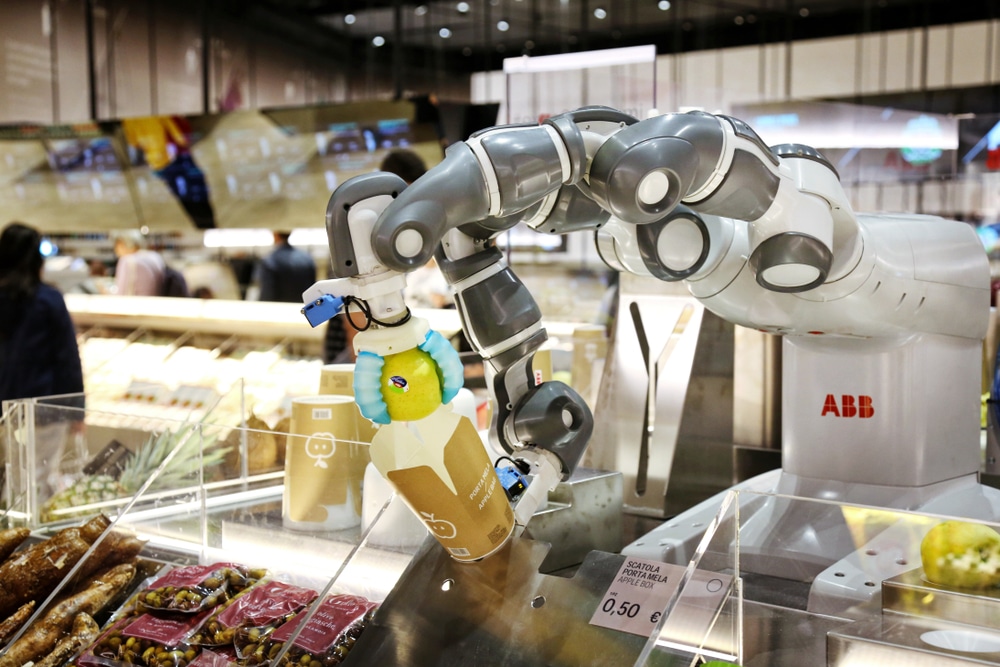
Grocery shopping is already changing, but it is far from finished. Online ordering and delivery became popular quickly, and now stores are experimenting with cashier-less checkouts and smart carts. In the coming years, shopping could become even more automated and personalized.
Imagine walking into a store where your shopping list is already loaded into a smart cart. It guides you through the aisles in the most efficient order and reminds you when you are running low on items at home. Sensors could automatically charge you as you leave, without scanning a single product. At home, smart fridges may track expiration dates and suggest meals, reducing food waste. All of this shows how future technology may save time while also helping people make better choices.
How We Commute Every Day
Commuting is one of the most time-consuming parts of modern life. While self-driving cars often get the spotlight, smaller changes may arrive first. Traffic systems are becoming smarter, using real-time data to adjust lights and reduce congestion. Navigation apps already do this to some degree, but city-wide coordination could make a bigger difference.
Public transportation could also become more flexible. Instead of fixed routes, buses might adjust their paths based on demand. For drivers, cars may communicate with each other to avoid accidents and smooth traffic flow. Even if full autonomy takes longer than expected, these gradual improvements show how future technology can quietly reduce stress during everyday travel.

Communication Beyond Screens
We communicate constantly, but mostly through the same screens we have used for years. Texts, video calls, and emails work well, yet they still feel flat compared to real interaction. Emerging tools aim to add more presence and emotion to digital communication.
Voice assistants are becoming more natural, and augmented reality could add visual layers to conversations. For example, remote coworkers might share a virtual workspace where gestures and eye contact feel more real. Language translation tools are also improving, making conversations across cultures easier and more natural. Over time, these changes may make distance feel less important, proving again how future technology can reshape human connection.
Home Life and future technology
Our homes are slowly becoming smarter, but most systems still require manual control. Lights, thermostats, and security cameras often work separately. The next step is homes that understand habits instead of commands. A truly smart home might adjust lighting, temperature, and noise levels automatically based on who is present and what time of day it is.
Security could also improve without feeling invasive. Doors may unlock using a combination of facial recognition and behavioral patterns, while alerting homeowners only when something truly unusual happens. Appliances could run when energy is cheapest, helping reduce costs and environmental impact. This level of integration highlights how future technology could make homes feel more responsive and calm, rather than complicated.
Healthcare in Everyday Life
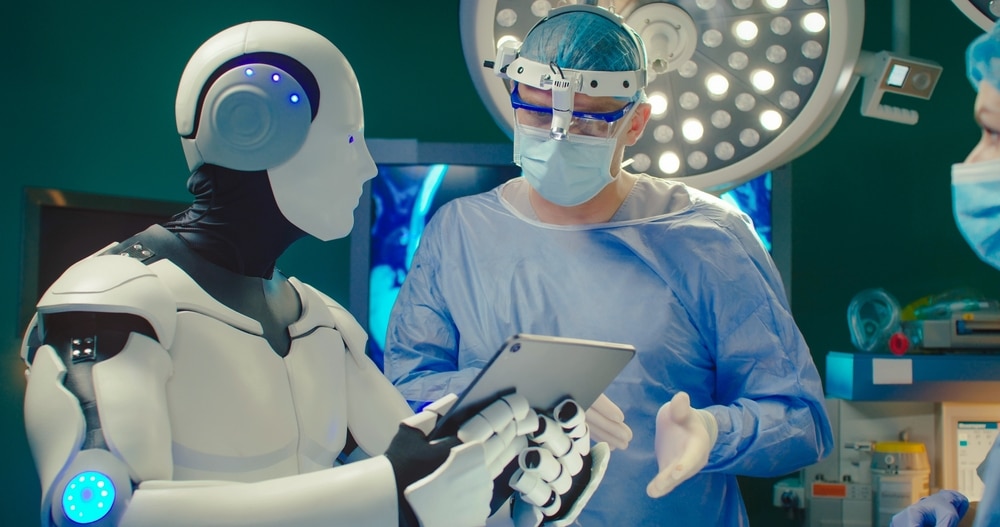
Healthcare is often reactive. People visit a doctor after something feels wrong. New tools aim to shift this toward prevention. Wearable devices already track steps and heart rate, but future versions may monitor blood pressure, blood sugar, and early signs of illness.
This data could be shared securely with healthcare providers, allowing earlier interventions and more personalized advice. Remote checkups may become more common, reducing the need for in-person visits for routine issues. While privacy and accuracy remain important concerns, this approach shows how future technology could make healthcare more proactive and accessible.
How We Relax and Have Fun
Entertainment evolves quickly, and relaxation habits change along with it. Streaming replaced scheduled television, and gaming became more social and immersive. The next wave may blur the line between physical and digital experiences even further.
Virtual and augmented reality could turn living rooms into concert halls, museums, or travel destinations. Fitness and meditation experiences might feel more engaging and personalized. Even simple hobbies could be enhanced with smart tools that adapt to skill levels. As these options grow, future technology may help people relax in ways that feel richer and more meaningful, without needing to leave home.
Change does not always arrive with noise and excitement. Often, it slips into everyday routines until it feels normal. The seven examples above show how small upgrades can quietly reshape how we live, work, and relax. None of these changes require a dramatic leap into science fiction. They are practical, gradual, and already taking shape. As future technology continues to develop, the biggest impact may not be in grand inventions, but in how ordinary moments become smoother and more human. Paying attention to these shifts helps us adapt and choose how we want to live in a world that is constantly evolving.
Do you want to learn more future tech? Than you will find the category page here