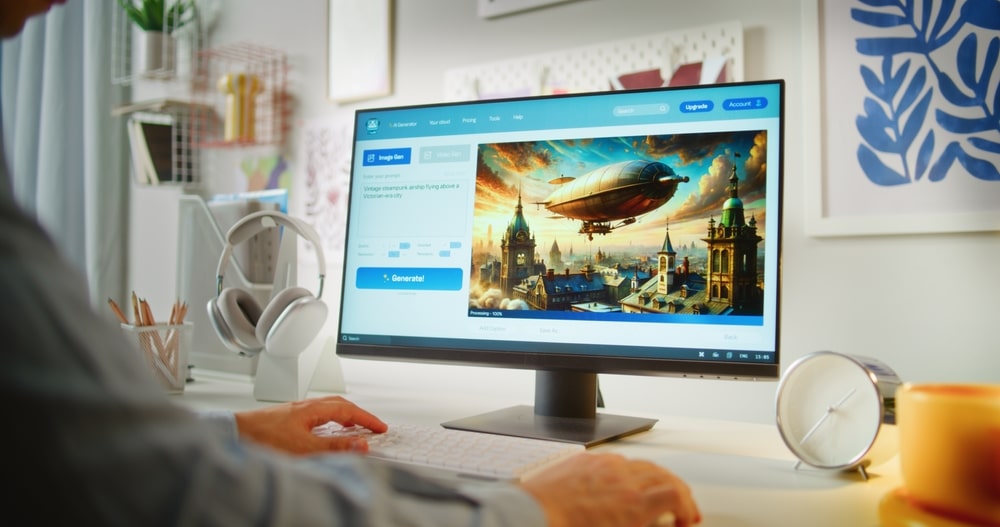
The rise of machine creativity has always felt like something that belonged in a sci fi novel. Yet here we are, watching algorithms compose songs, paint portraits, and design worlds at a rate no human could hope to match. The shift from simple pattern matching to expressive generation has been surprisingly fast, driven by advancements in deep learning. In the middle of this technological storm sits AI art evolution, a concept that captures the growing strangeness and brilliance of artificial creativity. What was once a novelty is now a force rewriting how we define artistic skill.
From Simple Filters to Surreal Worlds
Artificial intelligence did not begin as an artist. Early systems were built to classify objects, understand speech, or identify the mood in a sentence. The earliest attempts at generative visuals were little more than fancy filters, reshaping photos through predefined styles. But as neural networks grew deeper and training datasets exploded in variety, something unexpected happened. Models stopped simply copying what they had seen and began producing new combinations that felt genuinely imaginative.
This transformation is tied closely to AI art evolution. As algorithms learned to detect structure, lighting, emotion, and composition, they moved from imitation to innovation. Now we have models that can create entire scenes out of thin air, from neon drenched cityscapes to dreamlike creatures that defy biology. What matters most is not just that they generate images, but that the images increasingly carry intention like human work.
Why Machines Are Getting Weirder by the Minute
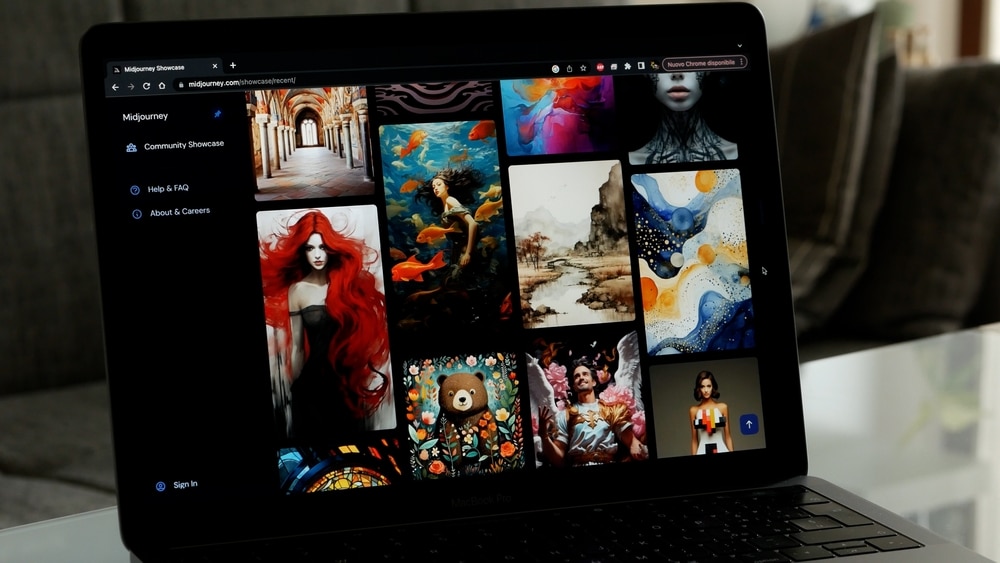
When you look at recent machine generated art, you might notice something: the weirdness is growing. There are two main reasons for this shift. First, modern systems are trained on huge, messy, human built datasets. These datasets include everything from classic paintings to obscure memes. As a result, models develop a sprawling sense of visual possibility. They do not limit themselves to rules of perspective or composition unless instructed to.
Second, users have learned how to prompt models in playful or experimental ways. People are pushing boundaries not because they want realism, but because they crave novelty. As this user behavior feeds back into training practices, AI art evolution becomes stranger and more experimental. The more unusual requests users make, the more unusual the outputs become.
The real magic is that neural networks do not truly understand what they are creating. They operate through statistical correlations, not intuition. Yet from these correlations, we get images that appear symbolic, emotional, or even philosophical. The weirdness is simply the machine exploring the outer edges of its pattern space.
When Creativity Emerges From Mathematics
If you strip away the mystique, neural networks are complex math functions. They operate through weighted connections, backpropagation, and optimization loops. Nothing about this architecture suggests creativity. Yet creativity emerges anyway. This is part of what makes AI art evolution so fascinating and unpredictable.
Neural networks excel at blending patterns. Give them tens of thousands of styles, textures, and visual motifs, and they learn to weave them together in ways that feel intentional. The math behind it might be dry, but the results are not. You can ask a model to paint a fox in the style of 1920s futurism or create a skyline from a distant alien civilization. It will oblige, often with results that feel uncannily thoughtful.
This raises a big philosophical question. If creativity can emerge from math, what does that say about human creativity? Are we just biological pattern mixers? Or is there still something uniquely human rooted in lived experience and emotion? Most researchers believe that while models can imitate emotional depth, they cannot feel it. That distinction makes the outputs intriguing but not equivalent to human art.
The Subculture of AI Artists
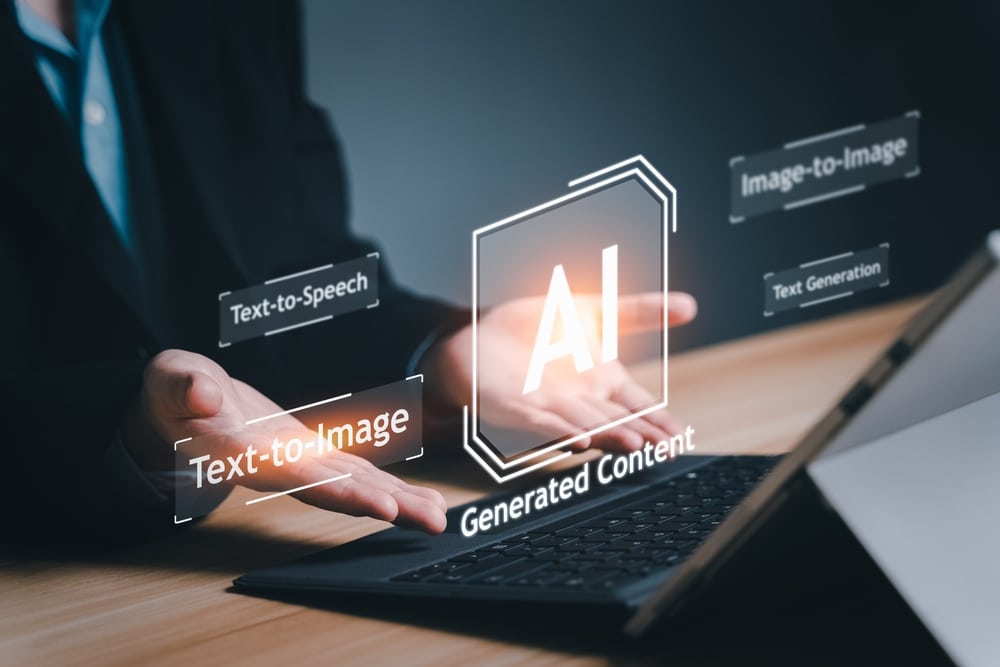
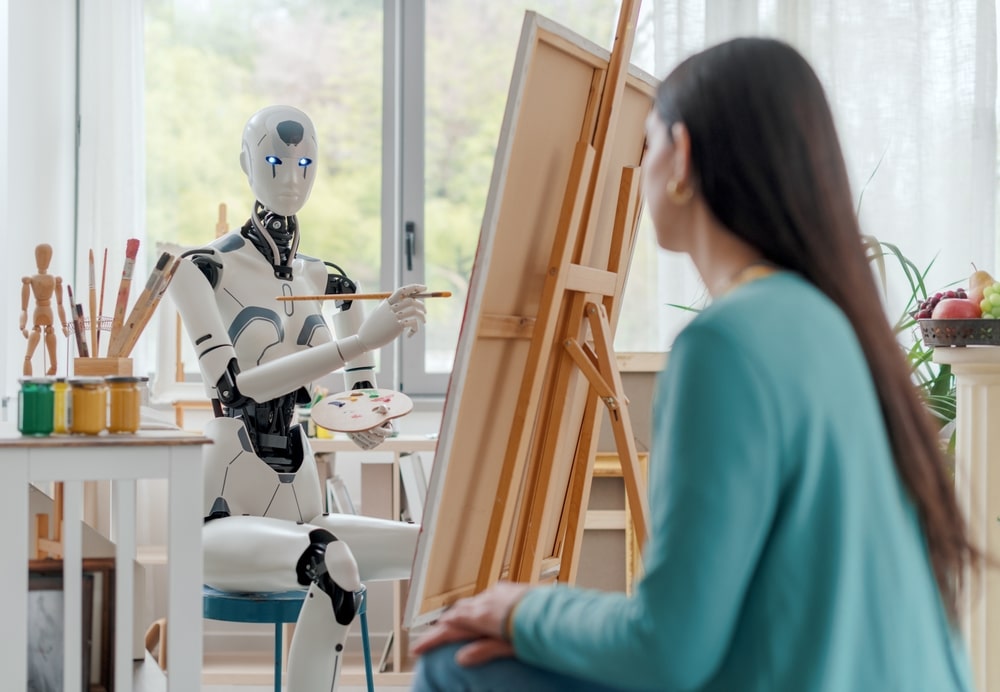
A new artistic subculture has formed around generative tools. Some creators view AI as a collaborator, giving the model guidance and refining its results. Others see it as a medium, similar to photography or digital painting. There are artists who attempt to train custom models on their own visual styles, resulting in hybrid pieces that blend human aesthetic with algorithmic structure.
This emerging community plays an important role in AI art evolution. Without humans experimenting, challenging the limits, and expanding the use cases, generative art would remain sterile. Human curiosity gives the technology direction. Many of the strangest outputs are not accidents but deliberate experiments by artists who want to see how far the system can be pushed before its sense of coherence collapses.
Yet there is also tension. Some artists worry about losing their livelihood. Others fear that their work may be absorbed into datasets without consent. These concerns are shaping discussions around copyright, model training ethics, and the future of human creativity. While AI offers new possibilities, the transition is not without friction.
How AI Art Evolution Shapes Culture
As AI art evolution continues to accelerate, it is not just the art world that feels the impact. Pop culture has absorbed generative visuals at lightning speed. Social media feeds are full of AI rendered dreamscapes, album covers, posters, and storyboards. Even marketing campaigns rely on neural networks to conceptualize ideas before human designers polish them.
Interestingly, AI art tends to reveal the collective unconscious of internet culture. Since models learn from everything we upload, they echo our obsessions, fears, aesthetics, and fantasies. They amplify patterns we might not even realize we are collectively producing. This feedback loop means that as humans influence AI, AI also reshapes human tastes.
In a sense, generative models act as mirrors with funhouse distortions. They show us the exaggerated forms of our culture, highlighting themes we sometimes overlook. That recursive influence is why the artistic outputs feel both familiar and alien.
The Rise of Algorithmic Surrealism
With the rise of generative art, surrealism has become the default aesthetic. It is easy to understand why. Surreal imagery thrives in the space between recognizable objects and impossible combinations. Since neural networks learn by stitching together fragments of millions of images, the resulting hybrids naturally drift toward surreal compositions.
Surrealism is so dominant that many viewers can now identify AI made art at a glance. The hallmarks include overly smooth features, impossible lighting angles, and physics bending details. Despite these quirks, the appeal is undeniable. The dreamlike nature invites interpretation. This is another sign of AI art evolution at work.
Some artists deliberately lean into these glitches, treating them as textures rather than errors. Others spend hours refining prompts to eliminate oddities. Regardless of approach, surrealism gives AI a space to thrive without the constraints of realism.
The Ethical Puzzle of Creativity
As neural networks become more capable, the ethical questions grow louder. Should a model be trained on copyrighted artwork without permission? Should artists be compensated when their style influences a system? Should AI generated pieces be labeled clearly so audiences know what they are viewing?
These questions sit at the center of ongoing debates about AI art evolution. No single answer satisfies everyone. Platforms are experimenting with opt out systems, rule based training sets, and new licensing frameworks. But regulation often moves slower than innovation.
There is also a broader concern about authenticity. If machines can create endless variations of any artwork, does originality lose its value? Some argue that human experiences will always remain irreplaceable. Others believe that the abundance of generative art will push humans to create in ways machines cannot replicate.
Hyper Personalization and the Future of Visual Media
One of the most promising uses of generative tools is hyper personalization. Imagine movies whose visuals shift based on your preferences or video games whose environments evolve to match your play style. Neural networks make this possible. They can generate textures, landscapes, and character designs on demand.
As this technology matures, AI art evolution may change not only how art is made but how it is consumed. Each viewer could have a unique version of a film scene or a book illustration. This shift could blur the line between creator and audience, making artistic experiences collaborative rather than static.
However, personalization raises new concerns. If every person receives content tailored to them, shared cultural experiences may weaken. Part of the power of art is its ability to connect communities through common imagery. With infinite variation, that shared thread may thin.
Where Human Artists Still Shine
Despite all these advancements, human artists retain strengths that machines cannot replicate. Emotional lived experience, intuition, cultural memory, and personal perspective all influence human creativity. These aspects give art meaning beyond aesthetics.
Even with ongoing AI art evolution, the human touch remains irreplaceable. Machines can generate patterns but cannot understand grief, joy, nostalgia, or loss. They can mimic styles but cannot live the stories that inspire them. Humans infuse their work with narrative weight, something no training dataset can provide.
Instead of eliminating artists, AI might become a collaborator that enhances human potential. By handling repetitive tasks or rapidly generating concepts, machines free artists to focus on vision and storytelling.

The Future: Collaborative Creativity
Most experts believe the future of art is not machine dominated but collaborative. Neural networks offer new brushes, new canvases, and new ways of thinking about imagery. Artists who learn to wield these tools can expand their creative reach dramatically.
This collaborative future is the natural next step in AI art evolution. As technology blends more seamlessly with artistic workflows, the line between human and machine creativity will blur. But rather than diminishing human creativity, this blend may amplify it.
Collaboration also allows for more inclusive access. People who once felt excluded from art due to lack of training now have tools that translate imagination into visuals. This democratization might lead to an artistic renaissance fueled by millions of new voices.
The Unexpected Humor of Machine Creativity
One delightful side effect of generative art is its unintended humor. Machines often misunderstand prompts in strangely charming ways. Ask for a dog playing chess, and you might get a creature with chessboard fur. Request a warrior riding a dragon, and you receive a warrior who is part dragon, part saddle.
These mistakes highlight the mechanical logic behind the imagery. They remind us that even when outputs look polished, they come from pattern matching rather than comprehension. The humor is a byproduct of AI art evolution experimenting at its boundaries.
This playful unpredictability makes generative art enjoyable even when it is not flawless. It adds a layer of whimsy that reminds us these systems are still learning.
As neural networks continue to reshape the creative landscape, one thing becomes clear: the intersection of technology and imagination will only grow more interesting. Machines are no longer passive tools. They are active participants in the creative process, bringing strange, beautiful, and sometimes hilarious outputs into the world. Through AI art evolution, we are witnessing a shift in how art is made, understood, and consumed. Yet this shift does not erase the need for human insight. Instead, it opens doors to new forms of collaboration. As long as humans remain curious, inventive, and expressive, the future of art will remain vibrant.
Do you want to learn more future tech? Than you will find the category page here