
The idea of sharing an office with digital colleagues once belonged squarely in science fiction, yet it is creeping into real life faster than anyone expected. Companies in tech, media, retail, and even healthcare are experimenting with virtual employees that never sleep, never call in sick, and never lose their cool. As these experiments expand, many workers are beginning to wonder what it will feel like to work alongside them. In this article, we explore why the rise of the AI avatars workplace matters, how it works, and what it could mean for your career in the coming years.
The Rise of the AI avatars workplace
The momentum behind this trend is surprisingly practical. Businesses see virtual employees as a way to increase consistency and reduce repetitive tasks. At the same time, consumers are growing more comfortable interacting with digital interfaces that feel human. This combination has accelerated investment into creating lifelike systems able to participate in the AI avatars workplace. These systems are no longer static chatbots; they are emotionally expressive digital individuals capable of handling nuanced conversations and collaborating on everyday tasks.
Why Virtual Coworkers Are Suddenly Everywhere
Virtual coworkers are spreading for a simple reason: they can be deployed instantly at scale. A bank can launch hundreds of digital customer service representatives overnight. A marketing agency can assign synthetic influencers to dozens of campaigns at once. Many organizations also see them as flexible teammates who can be reskilled or reprogrammed quickly, which makes them ideal for the fast evolving demands of the AI avatars workplace. Another driver is that these digital colleagues can maintain a consistent tone, follow guidelines precisely, and avoid the burnout that often affects human teams.
The rapid improvement of generative technology plays a major role too. New models can analyze enormous databases of human behavior and respond in ways that feel surprisingly intuitive. These systems learn, adapt, and improve every time they interact with a user. With that level of responsiveness, it is no surprise that companies are beginning to treat them not as tools but as actual contributors to daily operations within the AI avatars workplace.
How Companies Are Using Them Today
The earliest adopters tend to work in industries where communication is frequent and predictable. Customer support centers use digital representatives to answer basic questions, troubleshoot common issues, and redirect humans to the right department. Retail brands deploy interactive virtual hosts who guide shoppers, recommend products, and offer tailored assistance. These digital colleagues function as helpful front line workers in the AI avatars workplace.
Content creation is another fast growing area. Media companies now use virtual presenters to read the news, anchor short videos, or narrate tutorials. They can generate unlimited variations of content without tiring or making errors. Some studios even rely on synthetic actors for advertisements or educational programs. These roles allow creators to delegate routine tasks while focusing on strategy and storytelling. As the AI avatars workplace expands, companies are finding them useful for training simulations, onboarding, and internal communication.
What Working With Them Actually Feels Like
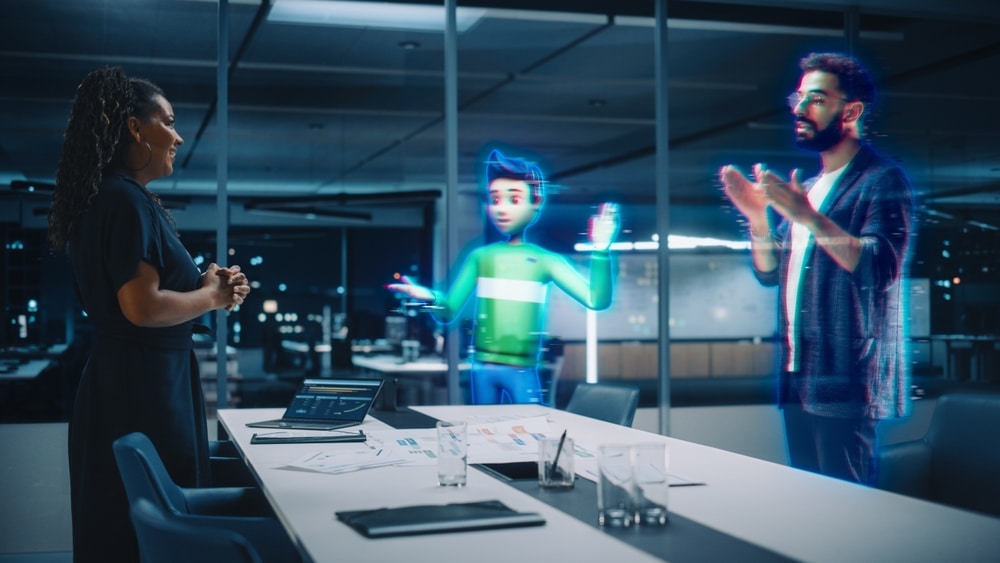
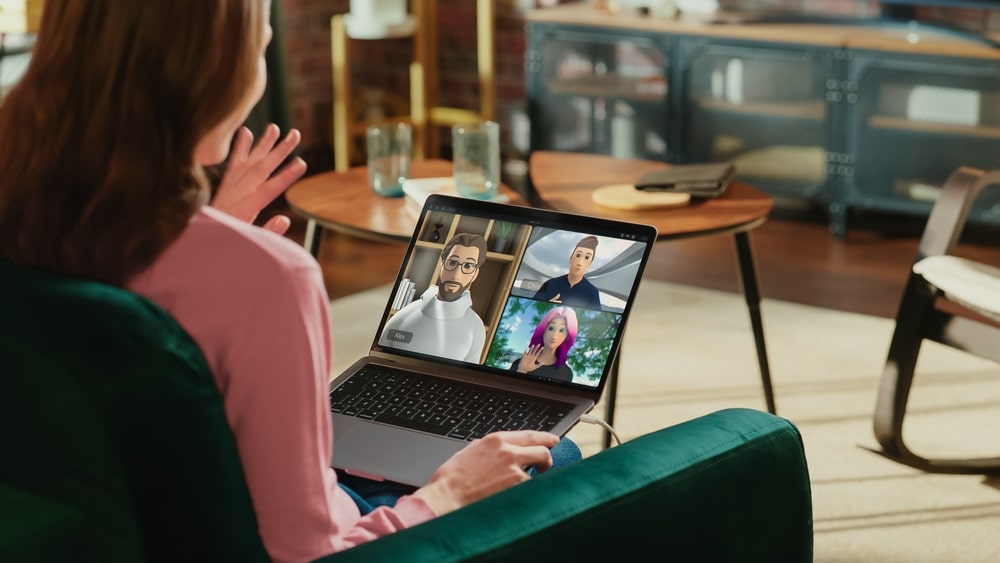
For many employees, the first encounter with a virtual coworker is both impressive and slightly uncanny. The digital colleague might greet you with a friendly expression, ask how your day is going, or explain a project update using natural language. Over time, the novelty fades and the value becomes more practical. These virtual teammates can run quick analyses, prepare reports, or summarize meetings. As a result, humans have more time for decisions that require creativity or empathy inside the AI avatars workplace.
There are challenges, of course. Some workers worry about being replaced. Others fear losing the sense of camaraderie that forms when people collaborate in person. There can also be misunderstandings when the digital coworker misinterprets context or emotion. Yet many teams discover that working with these systems is similar to working with any new tool. When expectations are clear, the partnership becomes smoother and more productive. The key is ensuring that the virtual colleague supports the team instead of becoming a source of confusion in the AI avatars workplace.
Opportunities and Challenges Ahead
The expansion of digital coworkers brings fresh opportunities. They can help small companies scale quickly, and they allow global teams to operate around the clock. They also widen access to services by providing instant support in multiple languages. Their consistency reduces errors, which is particularly useful in fields like healthcare or finance. These facts make them increasingly valuable colleagues within the AI avatars workplace.
However, the rise of virtual teammates also introduces new challenges. Privacy concerns become more complicated when data passes through intelligent systems that learn from interactions. Ethical debates grow sharper when digital characters resemble real people or when they influence important decisions. Companies must invest in transparent policies, clear boundaries, and robust oversight. Without these protections, trust may erode between human teams and the digital systems that support them in the AI avatars workplace.
Preparing Yourself for a Hybrid Future
For individual workers, the best approach is to adapt proactively. Learning how these systems function can help you collaborate more effectively. Embrace repetitive task delegation, since it frees you up to focus on strategy, design, leadership, or relationship building. Try to view the digital colleague as an amplifier rather than a competitor in the AI avatars workplace. Human skills such as storytelling, negotiation, empathy, and ethical judgment remain essential.
Organizations can help by offering training programs, encouraging open dialogue, and updating workflows so that human and digital teammates can cooperate smoothly. Transparency is especially important; employees should always know when they are interacting with a synthetic colleague. When companies plan thoughtfully, the hybrid workforce becomes a space where both people and algorithms contribute meaningfully to shared goals within the AI avatars workplace.
The integration of virtual colleagues into daily operations is no longer a futuristic concept. It is a shift that is already unfolding across many industries, often in subtle ways. Instead of asking whether this change will happen, the more useful question is how to prepare for it. By understanding the strengths and limitations of digital teammates, workers can build healthier expectations and better workflows. If approached thoughtfully, the growing presence of the AI avatars workplace can open new possibilities for efficiency, creativity, and human centered innovation. This future will be shaped not just by technology, but by how willing we are to adapt alongside it.
Do you want to learn more future tech? Than you will find the category page here