
Boredom has always been part of the human experience, but suddenly it feels like everyone’s talking about it as if it’s a lifestyle, a wellness practice, or a cure for modern chaos. On social media especially, the boredom trend has become a kind of aesthetic—slow mornings, quiet rooms, empty notebooks, long walks with no destination. What used to be an emotion we tried to escape is now something people actively seek out. In this article, we explore why boredom is being rebranded, how it turned into a content phenomenon, and why we’re suddenly obsessed with doing nothing at all.
The Quiet Rebellion Against Constant Stimulation
For years, every moment of our lives was filled with movement, tasks, and digital noise. Free time shrank, attention spans shortened, and the idea of being bored felt like a personal failure. Yet now, creators and viewers alike are embracing what appears to be the opposite: long pauses, slow routines, silent cooking videos, and calm shots of someone staring out a window.
This shift didn’t happen overnight. As people became overwhelmed by the pace of online life, they started craving its opposite. The result? A cultural fascination with slowness, emptiness, and stillness—states once considered mundane. In a world that encourages productivity at every turn, choosing to be bored feels like an act of resistance.
Nostalgia As A Catalyst
Part of why people gravitate toward this new mindset is nostalgia. Many creators talk about how boredom shaped their childhoods—those long summer days with no plans, afternoons spent doodling, wandering, or daydreaming. Even younger generations, who grew up surrounded by digital entertainment, romanticize this prehistoric era of “nothing to do.”
Social media platforms amplify that sentiment. Videos titled “What I do when I’m bored like it’s 1998” show analog activities: rearranging furniture, reading magazines, cleaning drawers. None of these tasks are extraordinary, but they tap into the longing for a simpler time—one where we weren’t permanently plugged in.
As people seek safety in nostalgia, the allure of rekindling boredom grows stronger. It becomes a way to revisit a feeling that once seemed frustrating but now feels comforting and grounding.

Why Doing Nothing Feels Productive Now
It sounds contradictory, but boredom has gained a reputation for being productive. Not in the traditional “check everything off your list” sense, but in a mental-health-friendly, creative-breakthrough sense.
Researchers have found that moments of boredom can improve problem-solving ability, help the mind wander in useful directions, and create space for new ideas. That might explain why so many artists, writers, and entrepreneurs claim that stepping away from their routine helps unlock inspiration they didn’t know they were missing.
The irony is that we now treat boredom as a tool. Instead of avoiding it, we schedule it. Instead of fighting it, we brag about it. People post videos showing their “boredom rituals” and morning routines designed to create quiet gaps in their days. Being bored has gone from embarrassing to aspirational.
How the Boredom Trend Became A Content Machine
It’s impossible to discuss this cultural shift without acknowledging how online platforms shape it. Creators quickly recognized that calm, uneventful content resonated with overwhelmed audiences. This created an explosion of videos that intentionally show “nothing happening.”
Scrolling through TikTok or Instagram, you’ll find:
• clips of people sitting on their balconies doing nothing
• slow coffee-making videos that stretch out simple tasks
• soft-spoken narrations about unplugging and spending time alone
• aesthetic vlogs where the highlight is folding laundry
• time-lapses of sunsets, clouds, and rooms with quiet ambience
The boredom trend thrives on minimalism. Instead of trying to impress viewers with extreme experiences or flashy storytelling, creators lean into silence and stillness. People watch these videos because they feel calming, relatable, and surprisingly refreshing.
And here’s the interesting twist: boredom itself becomes a form of content production. What was once a break from activity is now the activity.

Why Audiences Can’t Look Away
So why are viewers hooked on videos where basically nothing happens? The answer lies in how overstimulated we’ve become. Constant swiping and scrolling exhaust the brain. When we see content that slows things down, we subconsciously treat it as a moment to breathe.
Another factor is relatability. In a world packed with polished lifestyles and curated aesthetics, seeing someone do something simple—clean, sit, think, walk, stare—feels real. It’s a reminder that life doesn’t always have to be dramatic to matter.
There’s also a sense of intimacy to this kind of content. Watching someone enjoy their own company or wander aimlessly feels like being invited into a peaceful corner of their life. It’s soothing in a way traditional entertainment often isn’t.
When Boredom Turns Into an Identity
Some people embrace boredom so fully that it becomes part of their online persona. They label it with phrases like “slow living,” “quiet luxury,” “soft life,” or “unplugged lifestyle.” These creators are less interested in teaching productivity and more focused on showing how unstructured time can feel beautiful.
For them, the boredom trend is not just about videos; it’s a philosophy. It means choosing calm over constant movement, choosing rest over hustle, choosing intention over impulse. Many followers report that watching this kind of content makes them reflect on how cluttered their lives have become.
Interestingly, boredom becomes aspirational. What used to be seen as laziness is reframed as emotional intelligence. It signals that a person values mental space, self-care, and deliberate living.
The Science Behind Intentional Boredom
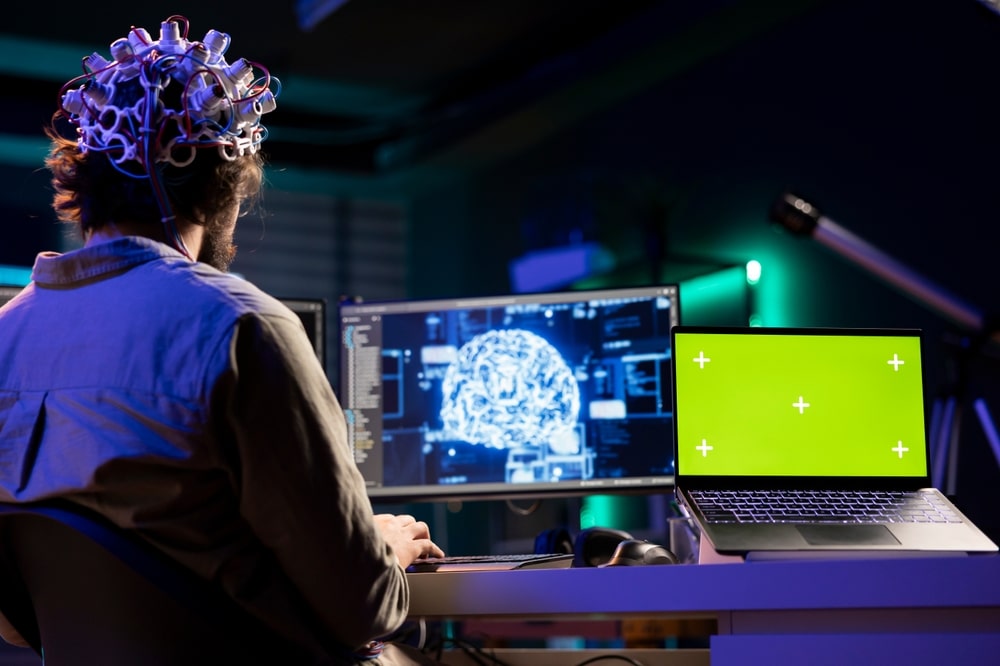
Behind all the aesthetics and content strategies, there’s psychological depth to this cultural moment. Studies on attention, creativity, and stress all point to the same conclusion: the brain needs downtime. When we fill every gap in our day with scrolling, tasks, and distractions, we overwork our cognitive systems.
Intentional boredom allows mental recovery. It helps the brain process emotions, make connections, and reset. It’s similar to the way sleep reorganizes our thoughts, but in a smaller, conscious way.
This science-backed understanding helps fuel the boredom trend. People are no longer embracing boredom because they’re lazy or uninspired—they’re doing it because it’s good for them.
The Boredom Trend As a Counter-Culture Movement
Every major online shift has a counter-culture movement behind it. When the internet became saturated with ultra-fast lifestyle content, people rebelled with slow, unpolished, calming videos. When productivity hacks dominated social media, creators responded by showing slow mornings and quiet afternoons.
The boredom trend is the newest iteration of that rebellion. People want to reclaim their time, attention, and emotional energy. Slowing down feels like taking back control in a world that constantly pushes them to speed up.
And because counter-culture often leads to new trends, boredom turned into something fresh and cool—something worthy of sharing.
When Boredom Becomes The Muse
There’s another reason boredom keeps inspiring creators: it forces the mind to improvise. When you sit with your thoughts long enough, you naturally start exploring new ideas. That’s why so many people say they get their best ideas in the shower, on a walk, or during quiet moments.
Influencers now talk openly about taking “boredom breaks” as part of their creative process. They step back from the screen, spend time alone, or allow themselves long stretches of unstructured time. The boredom trend becomes both a method and a muse.
What’s fascinating is that embracing nothingness results in something—new stories, new hobbies, new content, new reflections.
How Brands Are Jumping In
Whenever a trend takes off on social media, brands pay attention. And in this case, the message is clear: people want calm. They want quiet. They want slowness.
Brands now produce ads that mimic boredom aesthetics:
• long shots of people reading in bed
• minimalistic product videos with no narration
• commercials featuring empty rooms, warm lighting, soft visuals
• campaigns centered around unplugging or reconnecting with analog pleasures
Some companies even design products to fit the boredom trend, such as journals, simple crafts, ambient lighting, and resting-focused apps. What once would have been dismissed as uneventful is now highly marketable.
The Role of Digital Fatigue
Another major driver is digital exhaustion. After years of nonstop content, constant updates, and hyper-connected everything, people are craving the complete opposite. Being bored feels like a detox.
The boredom trend therefore becomes a response to burnout. As people try to fix their relationship with technology, boredom acts like a reset button. By stepping away from stimulation, they regain clarity, focus, and emotional balance.
It’s less about distancing oneself from technology entirely and more about renegotiating how much space it occupies.
The Boredom Trend And The Rise of Slow Creativity
As more people embrace slow routines, another form of creativity emerges. Instead of rushing to produce content or complete tasks, creators take their time. They show the process, not just the outcome. They highlight the beauty of waiting, observing, and letting ideas unfold naturally.
This “slow creativity” is deeply intertwined with the boredom trend. Many creators say they feel more connected to their work when they allow boredom to guide them. It encourages experimentation, play, and reflection—all of which get lost in fast-paced online culture.
Why Gen Z Is Leading The Movement
Although older generations reminisce about boredom, it’s Gen Z that has made it trend again. This generation grew up with constant stimulation, so boredom feels exotic. It’s something they rarely experienced naturally, which makes it intriguing.
On platforms like TikTok, they discuss the boredom trend as a way to rediscover themselves. They see boredom not as emptiness but as possibility—the chance to think, reset, and reconnect with the world offline.
For a generation raised in digital spaces, romanticizing boredom becomes a symbol of freedom.
The Aesthetic of Nothingness
Part of what keeps boredom trending is the aesthetic attached to it: soft colors, tidy rooms, gentle movement, natural lighting, slow pans, ambient music. This visuals-first approach turns simple moments into beautiful ones.
People are drawn to this style because it’s calm, approachable, and easy to replicate. It doesn’t require expensive equipment or elaborate scenes. It just requires presence.
When people scroll through their feeds and see these soft visuals, they feel invited to breathe. The content asks nothing of them—and that’s the appeal.
Will The boredom trend Last?
Like all viral movements, the question eventually arises: how long will this one last? Some trends fade quickly, but boredom strikes a deeper psychological chord. It’s not just an aesthetic; it’s a reaction to overstimulation, burnout, and modern pressures.
As long as people feel overwhelmed, they’ll continue romanticizing slowness, stillness, and simplicity. And even if the aesthetic fades, the underlying desire for mental space will remain.
Which means the boredom trend may evolve, but it’s unlikely to disappear completely.
In a world overflowing with constant stimulation, the rise of boredom feels almost magical. What was once avoided is now embraced as a form of rest, creativity, and self-connection. People aren’t romanticizing boredom because their lives are dull—they’re doing it because they want to feel something real again. They want to rediscover the quiet parts of themselves that get drowned out by noise, work, and expectations. Whether you see it as a wellness practice, an aesthetic, or simply a counter-culture shift, boredom has reclaimed its place in our lives. And the truth is, maybe doing nothing was meaningful all along.
Do you want to learn more viral trends to improve your daily live? Than you will find the category page here