
Why do some ideas explode online while others disappear without a trace? Going viral often feels random, but there’s usually more going on beneath the surface. The content that spreads fastest tends to tap into how people think, feel, and behave—sometimes without them even realizing it. From unforgettable stories to lighthearted debates and pure entertainment, certain patterns keep showing up again and again. Once you spot them, you’ll start seeing viral content everywhere.
The Viral Habits That Shape What We Share
Viral habits aren’t about luck—they’re about human behavior. People share things that help them remember, feel smart, look good, laugh, or join a conversation that’s already buzzing. When content aligns with these instincts, it spreads naturally, almost effortlessly. Understanding these habits makes it easier to see why some posts take over your feed while others never leave the ground.
1. Things People Remember
Ever wonder why some things just stick in your head while others vanish the moment you see them? It turns out, when it comes to what goes viral online, memorability is a huge factor. Think about it: you can’t really talk about something if you’ve completely forgotten it, right?
There was this one time someone shared a story about a ridiculously expensive haircut, like hundreds of dollars. It sounds crazy, but people couldn’t stop talking about it. Why? Because it was so out of the ordinary. It wasn’t just another haircut; it was an event. The more unusual or striking something is, the more likely it is to be remembered and shared.
So, how do you make your own stuff memorable?
- Be Different: Don’t just do what everyone else is doing. If everyone’s going low-price, maybe try high-price. If customer service is an afterthought for others, make it your main focus.
- Add a Twist: Take a common idea and give it a unique spin. It could be in how you present it, the price point, or the overall experience you offer.
- Create a Story: Memorable things often have a narrative. People connect with stories more than dry facts.
Sometimes, the simplest things that are a bit out of the ordinary are the ones that stick with us the longest. It’s not always about being the best, but about being the most unforgettable.
It’s like that time someone posted a picture of two toilet paper rolls, one with the paper going over the top and one going under, asking which was right. People argued about it for ages! It was a silly topic, but it got people talking because it was unexpected and easy to have an opinion on.
2. Things That Matter
You know, sometimes it feels like the internet is just a big ol’ distraction machine. But then you stumble across something that actually makes you stop and think, something that feels important. These are the things that stick with us, the stuff that gets shared because it touches on real issues people care about. Think about topics like healthcare access, fairness in society, or protecting our planet. When content tackles these kinds of subjects, it’s not just noise; it’s something that genuinely impacts lives.
It’s like that Food Babe website, right? She blew up because she was calling out big companies for what they were putting in our food. That kind of information? It matters. Especially now, when everyone’s trying to be more mindful about what they eat and how it affects them. People want to know what’s going on, and they’ll talk about and share information that helps them understand these bigger picture things. It’s not just about a catchy headline; it’s about connecting with what’s real and significant in our lives. This is why understanding what truly matters to people is key to creating content that gets noticed, like the discussions around various internet challenges.
When you focus on subjects that have a genuine impact on people’s lives, you tap into something deeper than fleeting trends. It’s about addressing concerns, sparking conversations, and providing insights that people feel compelled to share because they believe it’s important.
So, what kind of things really matter?
- Social Justice Issues: Content that sheds light on inequality, human rights, or systemic problems. People want to be informed and feel like they’re part of a larger conversation about making things better.
- Health and Wellness: Information about physical and mental health, nutrition, and self-care. In our busy lives, practical advice and insights into well-being are always a big deal.
- Environmental Concerns: Discussions about climate change, conservation, and sustainable living. These topics affect everyone, and people are increasingly looking for ways to understand and contribute to solutions.
- Personal Growth and Development: Stories and advice that help people improve themselves, learn new skills, or overcome challenges. This kind of content is empowering and directly applicable to their own lives.
3. Things That Deliver Practical Value
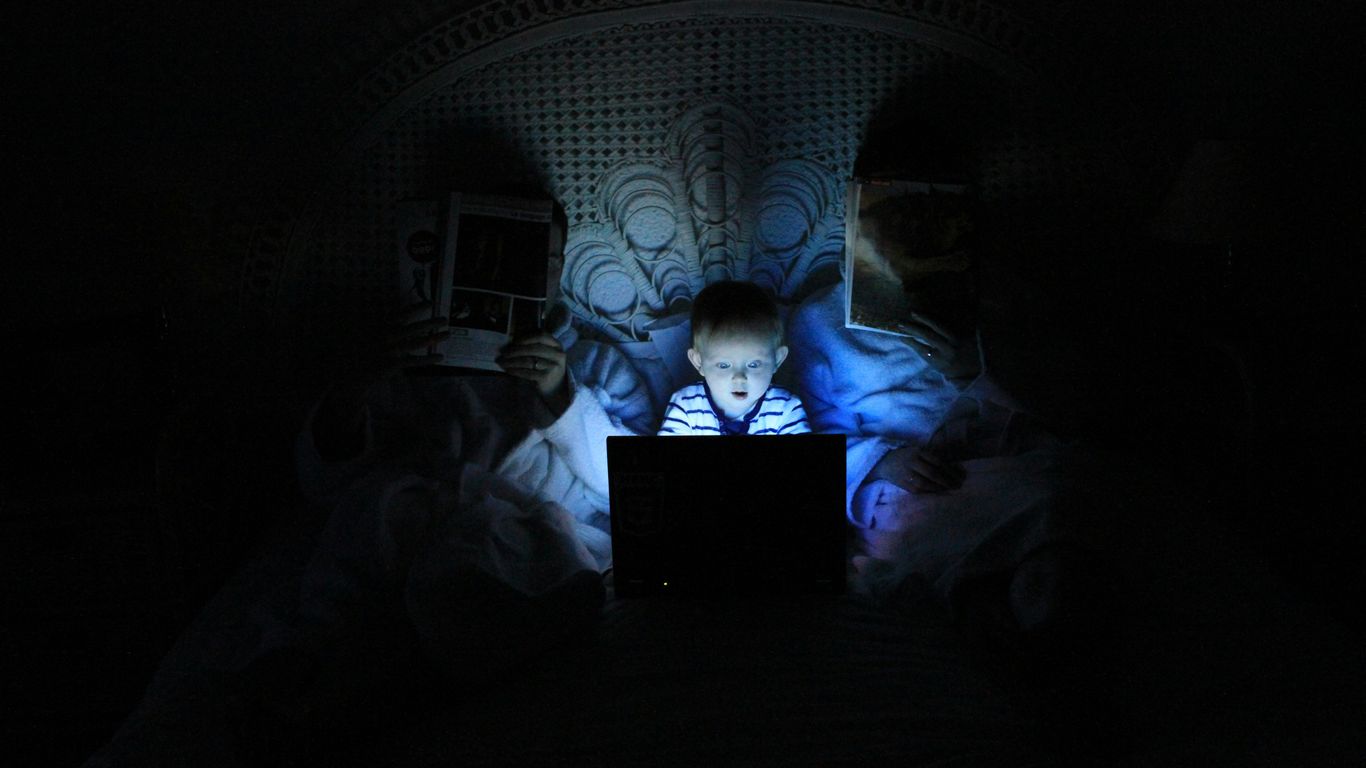
You know, sometimes the internet is just a giant toolbox. People share things because they actually help them do something better, easier, or just figure stuff out. Think about those quick video tutorials that show you how to fix a leaky faucet or how to fold a fitted sheet perfectly. These aren’t just random bits of information; they solve a problem, plain and simple.
It’s like when someone stumbles upon a really good recipe for sourdough bread or a hack for organizing their tiny apartment. They don’t just keep it to themselves. They share it because they know someone else is probably struggling with the same thing. It’s that immediate usefulness that makes people hit the share button.
Here are a few examples of stuff that really sticks because it’s useful:
- DIY Fixes: From simple home repairs to tech troubleshooting, people love sharing solutions.
- Life Hacks: Clever shortcuts for everyday tasks, like organizing cables or making food last longer.
- Skill-Building Content: Tutorials on learning a new language, coding basics, or even how to play a song on the guitar.
- Financial Tips: Advice on saving money, budgeting, or understanding investments.
The internet really shines when it helps us overcome a challenge or learn something new that we can use right away. It’s less about the flash and more about the function.
This kind of content gets passed around because it has a direct impact. It’s not just interesting; it’s actionable. People remember it because they can immediately put it to use in their own lives, and that’s a powerful thing.
4. Things That Project Who People Want To Be
It might sound a little cynical, but it’s true: people share things online that help them show off who they want to be seen as. Think about it – we all want to make a good impression, right? So, we share stuff that adds to that image we’re trying to project.
This often shows up in how people react to online discussions. Have you ever seen the internet get really worked up about something that seems pretty minor? Sometimes, it’s because people want to signal that they’re the kind of person who gets upset about certain things, like perceived injustices. It’s less about the actual issue and more about saying, “Hey, I’m someone who cares about this!”
Another common example is seeing those “donate to this charity” posts. Even if someone doesn’t actually donate themselves, they might share it because they want others to see them as a caring person. It’s a way to build a certain persona online.
We curate our online presence, often sharing content that aligns with our aspirations and values, hoping to shape how others perceive us. It’s a subtle form of self-expression in the digital world.
So, if you’re trying to get people to share your content, think about how it makes them look. Sharing something that makes someone seem uninformed or negative probably won’t get far. But content that helps them look smart, informed, or compassionate? That’s a different story. It’s all about how it fits into the narrative people are telling about themselves online. This is a big part of why certain trends, like adopting a specific internet aesthetic, become so popular; they offer a ready-made identity to adopt.
5. Controversial Things
It might seem obvious, but people really do love to talk about and share things that stir up a bit of debate. It’s not just any controversy, though. Research shows that things with a moderate level of disagreement tend to spread more than topics that are super heated or make people feel really uncomfortable. Think about those silly online arguments, like whether toilet paper should go over or under the roll. These kinds of low-stakes debates get people talking because everyone feels confident they know the ‘right’ answer.
It’s less about the actual issue and more about how people want to be seen. Sharing something that sparks a lighthearted argument can make someone feel like they’re part of a group or that they have a strong opinion, without actually causing any real discomfort. It’s a way to project a certain image or just engage in some fun banter. This is why articles that debunk popular ideas, like the notion that ‘content is king,’ can get shared a lot.
People enjoy having something to discuss, especially when it’s not too serious. It’s all about finding that sweet spot where people feel engaged enough to share their thoughts but not so upset that they disengage entirely. For more on how things catch on, you can check out digital productivity trends.
Here’s a quick breakdown of what tends to work:
- Mildly Debatable Topics: Things that people can easily form an opinion on and discuss without getting truly upset.
- **Relatable
6. Things Other People Talk About
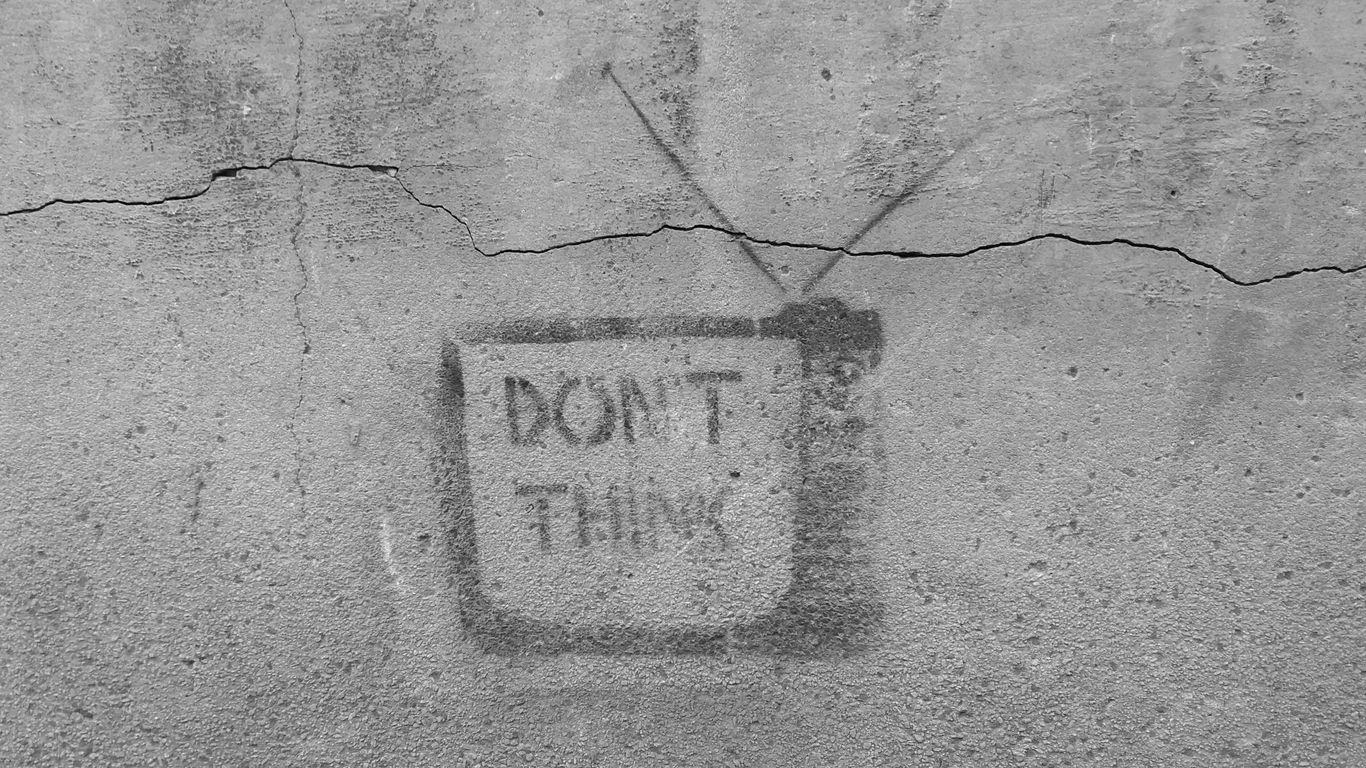
Ever notice how some things just seem to spread like wildfire online? It’s not always about the flashiest content or the most shocking news. Sometimes, it’s simply about what everyone else is already discussing. Think about it: if your friends are all buzzing about a particular video or a new trend, you’re way more likely to check it out and join the conversation. It’s like a digital echo chamber, but in a good way.
This phenomenon is all about social validation. When we see others engaging with something, especially people we know, it gives us a cue that it’s worth our attention. It’s that feeling of wanting to be in the loop, to understand what the collective is talking about. This is why a simple six-second clip can captivate millions and spark endless debate. People want to be part of the shared experience, even if it’s just to offer their own opinion on a trending topic.
So, what kind of things get this ball rolling?
- Things that are already popular: If a post or video has a lot of likes and shares, others are more inclined to jump on board. It’s a sign that it’s already deemed interesting by the community.
- Topics that spark lighthearted debate: Remember those silly arguments about how toilet paper should hang? Those kinds of low-stakes controversies get people talking because everyone feels confident they know the
7. Things That Entertain Them
Let’s be real, the internet is a giant playground for fun. We all scroll through feeds looking for a good laugh or something to break up the monotony of the day. Think about those hilarious animal videos or those perfectly timed meme compilations. They’re not just random bits of content; they’re designed to make us feel good, to give us a little escape. When something is genuinely entertaining, it’s almost impossible not to share it with a friend. It’s like finding a funny joke you just have to tell someone.
This is why certain types of content just explode online. It taps into our need for amusement and lightheartedness. We see something that makes us chuckle, and our immediate thought is, ‘Oh, Sarah would love this!’ It’s a way to connect with others through shared joy and laughter. It’s not always about deep meaning or practical advice; sometimes, it’s just about having a good time.
Consider the sheer volume of short-form video content that goes viral. Much of it relies on humor, surprise, or relatable silliness. It’s the digital equivalent of a street performer juggling fire – you can’t help but watch and maybe even toss them a virtual coin (or a like and a share).
Here are a few types of entertainment that tend to catch fire:
- Funny Skits and Memes: Relatable humor that pokes fun at everyday situations or pop culture.
- Unexpected Moments: Videos capturing surprising events, fails, or heartwarming surprises.
- Creative Performances: Talented individuals showcasing unique skills in an engaging way.
- Cute Animals: Because, well, who doesn’t love a fluffy friend doing something adorable?
The internet thrives on moments that make us pause, smile, or outright laugh. It’s a powerful way to connect and spread positivity, one share at a time. These entertaining bits are the digital equivalent of water cooler talk, but on a global scale.
It’s fascinating how a simple, funny clip can travel across the globe in hours. It’s a testament to our shared human desire for a little bit of fun. You can find some of the best examples of this kind of content all over the web, from viral tweets to popular TikToks discover the best of the internet.
So next time you find yourself sharing a funny video or a hilarious meme, remember you’re participating in a massive, ongoing trend of internet entertainment. It’s a simple habit, but it’s one that definitely went viral.
In The End
It’s pretty wild how some things just catch on online, right? We looked at a bunch of internet habits that totally blew up, and it turns out they’re not so random after all. From making stuff people remember to things that just make us feel good or give us a laugh, there’s a pattern. It’s not about some secret code, but more about understanding what makes us humans tick and want to share. Next time you see something go viral, maybe you’ll spot these habits in action. It’s a fun reminder of how connected we all are through this digital world.